DARMOWA KONSULTACJA ARTYSTYCZNA

x
Zamów wydruk Zamów wydrukKup cyfrowy obraz Kup cyfrowy obraz UdostępnijUdostępnij
SzczegółySzczegóły Dodaj do ulubionych Dodaj do ulubionych PobierzPobierz Podobne obiektyPodobne obiekty RTGRTG Pokaz slajdówPokaz slajdów

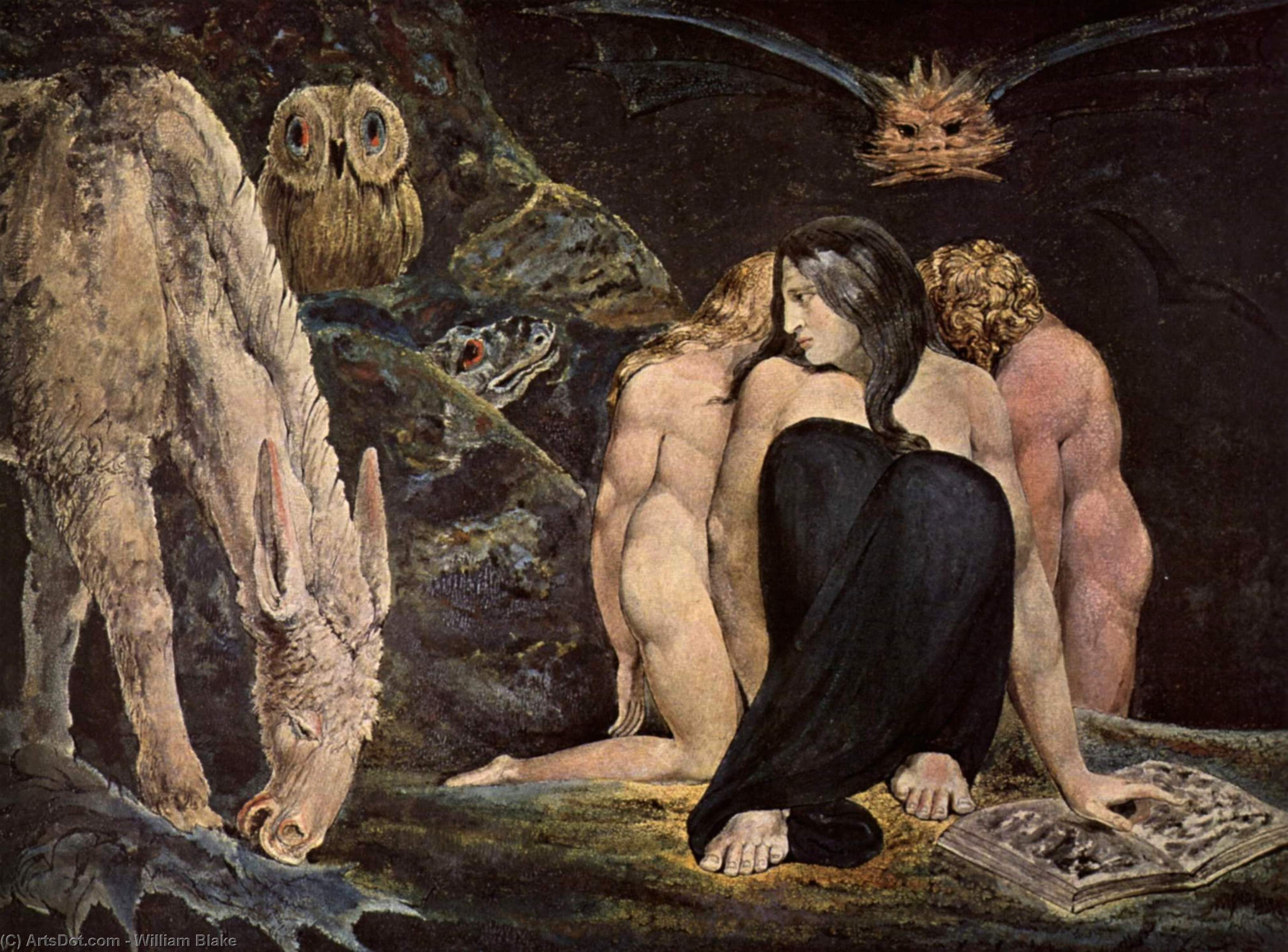
Hekate

Magiczna Hekata w interpretacji Williama Blake'a – bogini magii, mocy i transformacji. Dramatyczny kolaż symboliczny, pełen tajemnic i głębokich emocji. Odkryj wizję romantyzmu!

Poznaj wyjątkową twórczość Williama Blake'a - poeta i malarza romantyzmu! Jego dzieła pełne są symbolizmu, mistycyzmu i niezwykłej wizji świata. Odkryj jego dziedzictwo!

Ręcznie malowana reprodukcja olejowa

Ręcznie malowany olej na płótnie w Twoim wymiarze i ramie, tworzony na zamówienie przez naszych artystów.

P118B $10
P118H $10
P118W $10
P438Z $10
P508JH $12
P508YH $12
P805H $10
P805Z $10
P919BZ $10
P919G $10
P919XJ $10
P959ZH $10
P968JZ $12
W106C $8
W218G $10
W218JH $8
W218Y $10
W307PJ $10
W316G $10
W316PJ $8
W316Y $10
W398PJ $8
W4111J $10
W500HY $15
W500JH $15
W692G $12
W849H $8
W940BG $15
W953PJ $8

Standard
custom
CM
INCH

Wybierz spośród naszych predefiniowanych rozmiarów, które zachowują oryginalne proporcje dzieła sztuki.

szerokość
wysokość

Możesz wprowadzić własne wymiary, aby dopasować obraz do konkretnej ramy lub przestrzeni. Jeśli wybrany rozmiar nie będzie odpowiadał proporcjom oryginału, przytniecie dzieło sztuki lub rozszerzymy je o dodatkowe elementy, ręcznie domalowane przez artystę. Przed rozpoczęciem produkcji wyślemy projekt cyfrowy do Twojej akceptacji.
Należy pamiętać, że podgląd na ekranie nie odzwierciedla rzeczywistego przycinania ani rozszerzania obrazu. Tylko projekt dokładnie pokaże ostateczną kompozycję.
Choć oferujemy możliwość zamówienia niestandardowych rozmiarów, zalecamy wybór wymiaru z gotowej listy, aby zachować oryginalne proporcje dzieła.

Przykłady możliwych zmian: Zamień twarz na zdjęcie klienta; Dodaj zwierzę domowe (np. zamień kota na psa); Ukryj wiadomość w tle; Zmień krajobraz lub elementy tła.
Po złożeniu zamówienia zespół WahooArt.com skontaktuje się z klientem drogą mailową w celu uzyskania instrukcji i prześle wizualizację projektu

Dostawa na całym świecie () w ciągu 3/4 tygodni zamiast standardowych 5 tygodni. (2 Lipiec). Bez kompromisów w kwestii jakości.

why_choose_icon
Bezpłatna ekspresowa wysyłka na cały świat
why_choose_icon
Wysokiej jakości płótno lniane
why_choose_icon
Pełne ubezpieczenie przesyłki
why_choose_icon
Gwarancja zwrotu należności celnych
why_choose_icon
Gwarancja pełnego zgodności kolorystycznej
why_choose_icon
Polityka 60-dniowego zwrotu (tylko w przypadku wad)
why_choose_icon
Gwarancja 100% zwrotu pieniędzy
why_choose_icon
Zniżka przy większych zamówieniach

Suma całkowita

-

reproduction

Hekate

Technika reprodukcji

Wymiary reprodukcji

-

Cena całkowita

-

Szybkie fakty

  • notable elements: Three-faced figure symbolizing the moon's phases
  • year: 1823-1825
  • title: Hecate
  • medium: Watercolor
  • subject: Greek goddess Hecate
  • style: Romanticism

Quiz o sztuce

Na każde pytanie istnieje tylko jedna poprawna odpowiedź.

Pytanie 1:
What goddess is depicted in William Blake's 'Hecate'?
Pytanie 2:
The three faces of Hecate in the painting symbolize what?
Pytanie 3:
What artistic movement is William Blake most closely associated with?
Pytanie 4:
Which medium did Blake primarily use to create 'Hecate'?
Pytanie 5:
The image description notes a dominant animal in the foreground. Which one is it?

Opis dzieła

William Blake’s “Hecate”: A Vision of the Mystical

William Blake, ten years before his untimely death, conjured a world both terrifying and profoundly beautiful with his watercolor painting, “Hecate.” More than just a depiction of the Greek goddess of magic and crossroads, this work is a window into the artist’s intensely personal mythology—a complex tapestry woven from classical archetypes, Gnostic beliefs, and a deeply felt spiritual yearning. The piece, created between 1823-1825, isn't meant to offer simple answers but rather to provoke contemplation on themes of power, knowledge, transformation, and the shadowed corners of human experience.

Decoding the Goddess: Subject & Symbolism

“Hecate” presents us with a strikingly multifaceted goddess. Blake doesn’t offer a serene or idealized image; instead, he portrays her as a three-faced entity—a deliberate nod to the lunar cycle and its waxing, full, and waning phases. Each face embodies a distinct aspect of Hecate's dominion: her connection to the underworld, her role in divination, and her mastery over the unseen world. Surrounding this central figure is a carefully orchestrated tableau of symbolic creatures. A massive white wolf dominates the foreground, representing primal instincts, guardianship, and perhaps even the untamed wilderness within us all. An owl, a traditional emblem of wisdom and prophecy, perches nearby, suggesting access to hidden truths. A serpentine form—a recurring motif in Blake’s work—hints at temptation, primordial energy, and the ever-present struggle between good and evil. The open book held by Hecate is a potent symbol: it represents esoteric knowledge, foretelling events, and the potential for both enlightenment and destruction.

Romanticism & Spiritual Depth: Historical Context

“Hecate” stands as a quintessential example of Romantic art—a movement characterized by an intense focus on emotion, imagination, and the sublime. Blake vehemently rejected the rigid formalism of Neoclassicism, opting instead for a deeply personal and symbolic approach to his art. He drew inspiration from classical mythology but filtered it through his own unique spiritual worldview, which was informed by elements of Christianity, Gnosticism, and Kabbalah. This wasn’t merely an artistic choice; it reflected a broader cultural shift—a growing disillusionment with reason and a renewed interest in the mystical and the supernatural. Blake sought to capture not just what he *saw*, but what he *felt* – the raw energy of existence and the mysteries that lie beyond our rational understanding.

Watercolor Mastery: Technique & Style

Blake’s technical skill is immediately apparent in the delicate handling of watercolor. He achieves luminous color transitions, intricate details, and a remarkable sense of movement with astonishing precision. The fluid brushstrokes create an atmosphere of dynamism and energy, while the vibrant hues contribute to the painting's otherworldly quality. Notice the strong outlines that define each figure and element—a characteristic feature of Blake’s style. He employs a flattened perspective, prioritizing symbolic impact over realistic representation. This deliberate simplification enhances the dreamlike quality of the scene, inviting us to enter into a realm of heightened emotion and spiritual significance. The texture is incredibly rich, achieved through meticulous brushwork that builds up layers of color and creates a palpable sense of depth despite the watercolor medium.

Emotional Resonance & Interior Impact

"Hecate" isn't a comforting image; it’s unsettling, provocative, and deeply evocative. It invites profound contemplation on themes of power, knowledge, transformation, and the darker aspects of the human condition. Its dramatic composition and symbolic richness make it an ideal focal point for any interior space—a conversation starter that sparks introspection and encourages viewers to engage with their own understanding of the world. The painting’s intensity would lend itself particularly well to a study, library, or gallery wall, creating a powerful atmosphere and inspiring a sense of wonder. Consider commissioning a meticulously crafted hand-made oil painting reproduction to bring this iconic work into your home—a lasting testament to Blake's visionary genius.

  • Experience the power of Blake’s vision in your own home with a meticulously crafted hand-made oil painting reproduction.
  • Our skilled artists capture every nuance of the original, ensuring exceptional quality and lasting beauty.
  • Investing in a reproduction allows you to connect with art history and support artistic craftsmanship.

Further Research: Explore William Blake’s life and work through resources like Wikipedia (Wikipedia), Tate Gallery (Tate), and the National Galleries of Scotland (National Galleries).


Biografia artysty

William Blake - A Visionary’s Journey: The Life and Art of William Blake

William Blake, born in London on November 28, 1757, was a figure perpetually out of step with his time, yet destined to become one of the most celebrated artists and poets of the Romantic Age. His life unfolded against the backdrop of a rapidly changing England—a world grappling with industrialization, political upheaval, and shifting spiritual beliefs. From humble beginnings as the son of a hosier, Blake’s early years were marked by an intensely vivid imagination and a propensity for visionary experiences that would profoundly shape his artistic trajectory. Though largely self-taught in formal academics, he received drawing instruction at a young age, quickly revealing a talent that hinted at the extraordinary path ahead. His apprenticeship with engraver James Basire proved pivotal, providing him not only with technical mastery but also an understanding of printmaking techniques he would later revolutionize. These early influences—the Gothic grandeur of Westminster Abbey, the classical forms of Raphael and Michelangelo—served as foundational elements in his developing aesthetic, though Blake was never one to remain bound by convention.

Early Life and Artistic Training

Blake’s formative years instilled within him a deep appreciation for both beauty and terror – sensations he would translate into unforgettable imagery throughout his artistic career. Despite lacking formal schooling, he possessed an innate aptitude for drawing, nurtured by encouragement from his father who recognized his son's exceptional talent. This early training honed his observational skills and established a bedrock of classical knowledge that informed his stylistic choices. His apprenticeship with James Basire, London’s leading engraver, was instrumental in developing his printmaking abilities—a craft he would elevate to an art form through his groundbreaking technique of illuminated printing. It wasn't merely copying existing designs; it demanded meticulous attention to detail and a profound understanding of tonal gradation, skills that would prove invaluable as he pursued his artistic vision.

Illuminated Printing: A Revolutionary Technique

Blake’s artistic innovation resided fundamentally in *how* he created—a departure from the prevailing methods of engraving prevalent during his era. Dissatisfied with conventional printing processes, he devised a unique method known as “illuminated printing,” which involved etching both text and illustrations onto copper plates before applying hand-colored inks to produce stunning prints. This wasn’t simply illustration accompanying poetry; it was an integrated art form where image and verse were inextricably linked, each enriching the meaning of the other. Blake's meticulous process demanded considerable labor—often taking weeks or months to complete—but it afforded him unparalleled artistic control over color, texture, and overall visual impact. This technique allowed for a level of expressive nuance unattainable through traditional methods, cementing his place as a pioneer in printmaking history. He skillfully combined etching with watercolor washes and gouache pigments, creating images that pulsed with vibrant hues and captivating detail—a stylistic hallmark that distinguishes his work from many of his contemporaries.

Major Works and Artistic Style

Blake’s oeuvre encompasses poetry, engravings, watercolors, drawings, and illuminated manuscripts—each reflecting his distinctive worldview and artistic sensibilities. Among his most celebrated works are *Songs of Innocence & Experience* (1794), a dual collection exploring themes of innocence and corruption through allegorical narratives; *The Marriage of Heaven & Hell* (1793), a provocative prose poem challenging societal morality with its embrace of energy, desire, and rebellion; and *Jerusalem*, an ambitious epic poem depicting a utopian vision of Albion—ancient name for Britain—inspired by biblical prophecy. His engravings are equally remarkable for their dramatic compositions, symbolic imagery, and masterful execution. Illustrations for Dante’s *Divine Comedy* exemplify his ability to translate complex literary narratives into powerful visual representations—a feat achieved through meticulous attention to detail and a deliberate rejection of linear perspective in favor of emotive symbolism. Blake's artistic style is characterized by its bold use of color, its incorporation of fantastical elements, and its unwavering commitment to conveying profound spiritual truths. He rejected the conventions of academic art, prioritizing imaginative vision over realistic representation—a stance that aligned him with the burgeoning Romantic movement and cemented his legacy as a visionary artist.

Blake’s Enduring Influence

Despite facing considerable obscurity during his lifetime, William Blake's influence on subsequent generations of artists and writers has proven to be profound. The Pre-Raphaelites, captivated by his stylistic innovations and symbolic depth, embraced him as a kindred spirit—drawing inspiration from his use of color, texture, and imaginative storytelling. Later movements—Symbolism and Modernism—found resonance in his exploration of psychological complexity and spiritual yearning—a testament to the enduring power of Blake’s artistic vision. Today, William Blake is recognized as a cornerstone of Romantic art, an artist whose uncompromising pursuit of creative freedom continues to inspire artists worldwide. His work serves as a reminder that true artistry lies not merely in technical skill but in conveying profound emotional truths—a legacy that transcends time and resonates powerfully with audiences across cultures.
William Blake

William Blake

1757 - 1827 , Wielka Brytania

Kluczowe informacje

  • Artistic Movement Or Style: Romanticizm
  • Artists Who Influenced This Artist:
    • Rafael
    • Michał Anioł
  • Date Of Birth: Londyn, Wielka Brytania (1757)
  • Date Of Death: Londyn, Wielka Brytania (1827)
  • Full Name: William Blake
  • Nationality: Brytyjski
  • Notable Artworks:
    • Pieśni Innocencji i Doświadczenia
    • Święcący Smok i Żona Ubierana na Słońce
    • Żądza i Jego Rodzina Odzyskuje Dobrobyt
  • Place Of Birth: Londyn
Odkryj dzieła sztuki uporządkowane według tematów, stylów i cech charakterystycznych.