Sprzedawaj swoją sztukę
x
Podgląd w skaliPodgląd w skali Podgląd ARPodgląd AR Zamów wydruk Zamów wydrukPrzełącz na obraz ręcznie malowany Przełącz na obraz ręcznie malowany Wyślij jako kartkęWyślij jako kartkę
Szczegóły dziełaSzczegóły dzieła Dodaj do ulubionych Dodaj do ulubionych PobierzPobierz Podobne obiektyPodobne obiekty RTGRTG Pokaz slajdówPokaz slajdów

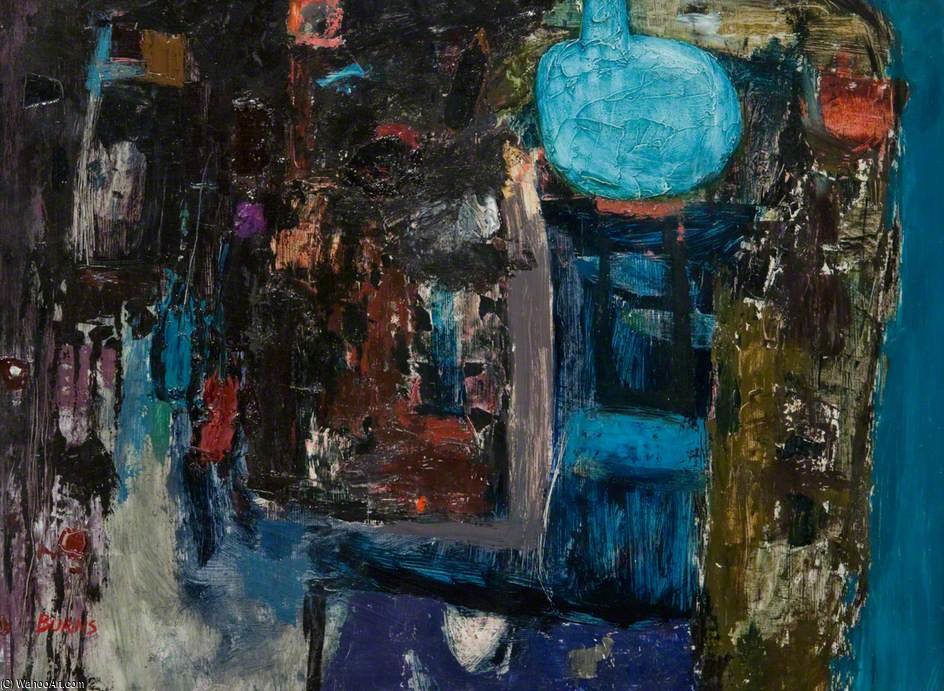
Guidelight

Explore the art of William Bill Alexander (1915-1997), German painter & TV host known for his 'wet-on-wet' oil painting technique. Discover harbor scenes, landscapes, and the legacy behind Bob Ross's inspiration.

Kup wysokiej rozdzielczości, ulepszony obraz cyfrowy o znacznie wyższej jakości niż podgląd online.

Każdy plik jest starannie przygotowywany przez naszych specjalistów przy użyciu zaawansowanych narzędzi oraz profesjonalnej, ręcznej retuszy. Dbamy o to, aby każdy obraz cechował się wyjątkową ostrością, precyzyjnym odwzorowaniem kolorów i subtelnymi detalami.

Ostateczny plik dostarczany jest drogą mailową w ciągu 72 godzin, zoptymalizowany do natychmiastowego wykorzystania w profesjonalnych zastosowaniach redakcyjnych i poligraficznych. To ta sama jakość, której ufają czołowe studia projektowe, wydawnictwa oraz galerie sztuki.

Obraz cyfrowy

Pobierz plik o wysokiej rozdzielczości do osobistego wyświetlania, druku oraz projektów kreatywnych. (Zamów wydruk Zamów wydrukPrzełącz na obraz ręcznie malowany Przełącz na obraz ręcznie malowany)

Suma do zapłaty

$9.99

W każdym zamówieniu na obraz cyfrowy znajduje się

Profesjonalna dostawa cyfrowa z gwarancją

Wybierając WahooArt.com, nie otrzymujesz jedynie obrazu – otrzymujesz profesjonalnie udoskonalone cyfrowe dzieło sztuki, stworzone z najwyższą precyzją i objęte gwarancją satysfakcji. Oto wszystko, co automatycznie dołączane jest do Twojego zamówienia:

shipping_icon
Błyskawiczna wysyłka e-mailowa

Plik z obrazem cyfrowym w wysokiej rozdzielczości zostanie przesłany na Twój adres e-mail w ciągu 72 godzin od złożenia zamówienia – gotowy do natychmiastowego użycia.

canvas_icon
Plik cyfrowy wzbogacony przez AI

Twoja grafika została profesjonalnie zoptymalizowana przy użyciu zaawansowanych narzędzi AI oraz ręcznej edycji, co zapewnia maksymalną szczegółowość, klarowność i wierność kolorów.

insurance_icon
Dożywotnia darmowa ponowna dostawa

Przypadkowo usunąłeś lub zgubiłeś swój plik? Bez obaw – prześlemy go Tobie ponownie w dowolnym momencie, bez żadnych opłat.

tax_icon
Bez opłat importowych – zawsze

Ciesz się swoją sztuką natychmiast, bez żadnych opłat celnych, należności ani kosztów dostawy – pliki cyfrowe są zawsze wolne od podatku.

color_icon
Gwarancja wierności kolorów

Dzięki zastosowaniu profesjonalnych narzędzi i procesów zarządzania barwą zapewniamy, że Twoje cyfrowe zdjęcie odzwierciedla oryginalne kolory tak wiernie, jak to tylko możliwe.

return_icon
60-dniowa gwarancja satysfakcji

Jeśli nie będziesz zadowolony ze swojego cyfrowego obrazu, dokonamy jego poprawki lub zwrócimy 100% kosztów w ciągu 60 dni – bez żadnych pytań.

guarantee_icon
100% Gwarancja zwrotu pieniędzy

Nie jesteś zadowolony? Otrzymaj pełny zwrot kosztów w ciągu 60 dni od otrzymania pliku cyfrowego – bez zbędnych pytań.

discount_icon
Rabaty przy zamówieniach hurtowych

Kup 3 obrazy, oszczędź 10% - Kup 5, oszczędź 15% - Kup 10+, oszczędź 20%. Idealne do projektów kreatywnych, galerii i agencji.


Biografia artysty

The Master of the Fluid Canvas: The Life and Legacy of William Bill Alexander

To step into the world of William Bill Alexander is to witness the mesmerizing dance of oil paint upon a fresh, receptive surface. A man whose life story reads with the dramatic tension of a historical novel, Alexander was far more than a mere instructor; he was a pioneer who redefined the accessibility of fine art. Born in 1915 in Posen, Germany, his early years were shaped by the profound displacements of the First World War, a period that saw his family relocate to Berlin. This early exposure to a shifting, often turbulent world instilled in him a resilience and an observant eye that would later define his artistic temperament. Before he ever held a palette with professional intent, Alexander was apprenticed as a carriage maker, a vocation that gifted him with a foundational respect for precision, craftsmanship, and the structural integrity of form.

The trajectory of his life took a somber turn during the Second World War when he was drafted into the Wehrmacht. Serving on the Eastern Front, Alexander found himself in a crucible of human emotion and hardship. Yet, even amidst the shadows of conflict, his artistic spirit refused to be extinguished. During his time as a prisoner of war, he turned to portraiture, capturing the likenesses of Allied officers' wives. These intimate commissions allowed him to experiment with expressive brushwork and the delicate nuances of human emotion, laying the groundwork for a style that prioritized immediacy and atmosphere over rigid academic perfection.

The Revolution of Wet-on-Wet

Following the war, as a refugee seeking a new beginning, Alexander embarked on a journey of profound technical innovation. It was during this era of reconstruction and exploration that he began to refine what would become his most enduring contribution to the art world: the wet-on-wet technique. While traditional oil painting often demands a slow, laborious process of layering dried glazes, Alexander championed a method characterized by applying thin layers of paint onto a still-wet surface. This approach, often referred to as alla prima, allowed for a seamless blending of colors and a spontaneous, fluid movement that captured the fleeting essence of light and landscape with unprecedented speed.

This technique was not merely a shortcut; it was a philosophical shift. It embraced the ephemeral nature of the moment, making the act of painting an urgent, living dialogue between the artist and the canvas. His ability to manipulate textures—from the soft, misty atmosphere of a harbor scene to the rugged, tactile presence of a mountain range—demonstrated a mastery over the medium that felt both revolutionary and deeply intuitive. Through this method, he bridged the gap between the high-minded traditions of plein air painting and a more democratic, accessible form of artistic expression.

A Legacy of Mentorship and Global Influence

Perhaps the most significant chapter in Alexander’s career was his role as a global educator and television personality. Through his celebrated PBS series, The Magic of Oil Painting, which aired from 1974 to 1982, he brought the studio into millions of homes across the United States. His calm, instructional presence and the visible magic of his technique captivated audiences, demystifying the complexities of oil painting for the layperson. It was in this capacity that Alexander performed one of his most profound acts of artistic stewardship: teaching the "quick" wet-on-wet technique to a young painter named Bob Ross.

The lineage of influence from Alexander to Ross is undeniable, as the latter would go on to become a global phenomenon using the very foundations laid by his mentor. However, to view Alexander only through the lens of his most famous pupil would be to overlook his individual brilliance. His works, such as Sea-crane and Portrait Of A Mandarin, stand as testaments to his unique ability to blend historical realism with a modern, atmospheric sensibility. He remains a pivotal figure in the revival of landscape painting, leaving behind a legacy that continues to inspire artists to find beauty in the fluid, the spontaneous, and the immediate.

william bill alexander

william bill alexander

1915 - 1997 , Germany

Krótka nota

  • Artistic Movement Or Style: Wet-on-wet oil painting
  • Artists Or Movements Influenced By This Artist: ['Bob Ross']
  • Artists Who Influenced This Artist: ['']
  • Date Of Birth: 1915
  • Full Name: William Bill Alexander
  • Nationality: German
  • Notable Artworks:
    • Portrait Of A Mandarin
    • A waterman at the head of his junk
    • A sheet of figure and animals studies
  • Place Of Birth: Posen (Poland)