
Wydruki giclée lub płótna o jakości muzealnej, szybka realizacja i szeroki wybór opcji wykończenia. ( Zamów ręcznie malowaną reprodukcję Przejdź do wersji cyfrowej)





























Wybierz spośród naszych standardowych rozmiarów, które zachowują oryginalne proporcje dzieła sztuki.

Wpisz wymaganą szerokość i wysokość, aby dopasować grafikę do ramy lub ściany. Wydruk można jedynie przyciąć, nigdy nie powiększając go poza oryginalny obraz, dlatego format o innych proporcjach spowoduje utratę części kompozycji. Przed rozpoczęciem druku prześlemy Ci cyfrowy podgląd do zatwierdzenia. Obraz wyświetlany na tej stronie nie pokazuje rzeczywistego przycięcia — jedynie podgląd oddaje ten efekt.
Dostawa na cały świat () w ciągu 2 tygodni zamiast standardowych 4/5 tygodni. (13 Listopad)
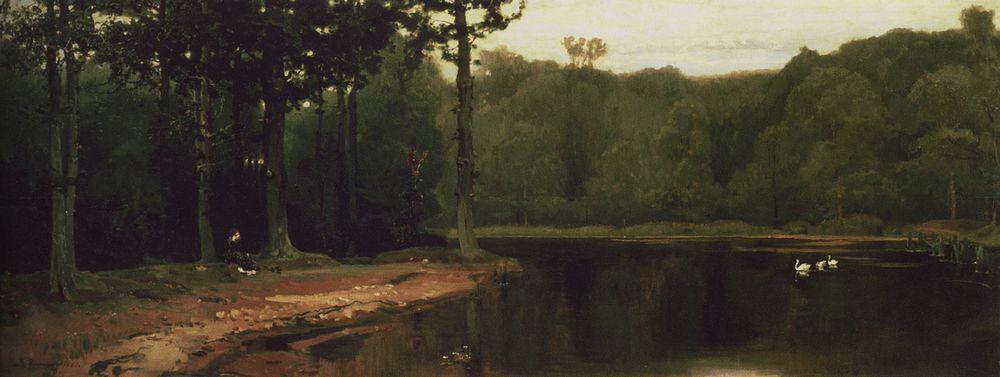
Lull
Wymiary reprodukcji
Statystyki dotyczące „Lull” – Wiktor Wasniecow znajdują się na stronie Statystyki wyświetleń dzieła: obejmują one miesięczną liczbę odwiedzin danego dzieła, wizyty przy pracach artysty oraz podział ostatnich odwiedzających według krajów i języków.
„Lull” posiada podgląd w rozszerzonej rzeczywistości: strona Podgląd w AR pozwala zobaczyć dzieło w Twojej własnej przestrzeni na kompatybilnym urządzeniu.
„Lull” – Wiktor Wasniecow wykorzystuje Earthy paletę barw, która definiuje ogólny charakter kolorystyczny dzieła.

Viktor Mikhaylovich Vasnetsov, a name synonymous with the vibrant heart of Russian art, was more than just a painter; he was a conduit to the nation’s soul. Born in 1848 in the remote village of Vyatka – now Kirov – into a family steeped in both religious tradition and artistic sensibility, his journey from humble beginnings to becoming one of Russia's most celebrated artists is a testament to his unwavering passion and unique vision. His life was inextricably linked to the rich tapestry of Russian folklore, mythology, and historical epics, themes that would dominate his oeuvre and forever cement his place in the nation’s cultural identity.
Vasnetsov’s early years were shaped by a profound connection to his father, a priest and an amateur painter. This familial influence ignited within him a nascent appreciation for visual arts, leading him initially towards theological studies at the Vyatka Seminary. However, a deep-seated desire to translate the world around him onto canvas ultimately steered him away from the path of the clergy, toward the captivating realm of artistic expression. His enrollment in the Imperial Academy of Arts in St. Petersburg marked a pivotal moment, exposing him to a diverse community of artists and fostering his burgeoning talent.
Vasnetsov’s early works demonstrated a clear inclination towards realism, mirroring the stylistic trends of the Peredvizhniki (Wanderers) movement – a group dedicated to portraying the lives of ordinary Russians. These paintings offered poignant glimpses into peasant life and rural landscapes, imbued with an undeniable sense of empathy and social awareness. Yet, it was during the late 1870s that Vasnetsov’s artistic trajectory underwent a dramatic transformation. He became utterly captivated by the world of Russian folklore, specifically the *byliny* – epic tales brimming with heroic deeds, fantastical creatures, and profound moral lessons.
This shift wasn't merely stylistic; it represented a deep immersion in Russia’s cultural heritage. Vasnetsov sought to capture the essence of these ancient narratives, imbuing them with a sense of timelessness and spiritual resonance. He drew inspiration from artists like Isaak Levitan, known for his evocative landscapes, and Ivan Aivazovsky, celebrated for his dramatic seascapes, but ultimately forged a distinctive style that blended realism with elements of fantasy and symbolism – a unique blend that would become the hallmark of his artistic identity.
Vasnetsov’s most enduring legacy rests upon his masterful depictions of Russian fairy tales, folklore, and historical events. Works such as A Knight at the Crossroads (1880-1883), a monumental painting depicting a heroic warrior confronting fate, quickly became iconic symbols of Russian strength and resilience. The series of paintings known collectively as Bogatyrs (Three Warriors) – completed between 1898 and 1902 – remains perhaps his most celebrated achievement, capturing the grandeur and spirit of these legendary heroes with breathtaking detail and emotional depth. Other notable works include Alyonushka (1883), a poignant tale of a young girl’s suffering, and Ivan Tsarevich Riding the Grey Wolf (1889), a visually stunning depiction of a fantastical adventure.
Beyond these individual masterpieces, Vasnetsov's artistic influence extended to his designs for St. Vladimir’s Cathedral in Kyiv, a monumental undertaking that showcased his architectural vision and his ability to seamlessly integrate art with structure. His recurring themes – heroism, spirituality, national identity, and the mystical power of nature – resonated deeply within Russian society, contributing significantly to the burgeoning Russian Revivalist movement.
Viktor Vasnetsov’s contribution to Russian art transcends mere aesthetic beauty. He played a crucial role in reviving interest in Russia's rich cultural heritage, fostering a renewed appreciation for folklore, mythology, and historical narratives. His work served as a powerful symbol of national identity, embodying the spirit and imagination of the Russian people. His artistic style, characterized by its vibrant colors, dynamic compositions, and evocative symbolism, profoundly influenced subsequent generations of artists, shaping the course of Russian art into the 20th century. Vasnetsov’s legacy continues to inspire awe and admiration, reminding us of the enduring power of myth, legend, and the human spirit.
Vasnetsov died in Moscow on July 23, 1926, leaving behind a vast body of work that remains a cornerstone of Russian art history. His paintings are not merely representations of stories; they are windows into the soul of Russia – a nation steeped in tradition, mythology, and an unwavering belief in the power of heroism and beauty.

1848 - 1926 , Rosja

Discover the profound serenity of timeless pastoral landscapes. From Impressionist masterpieces to bespoke oil commissions, explore how curated fine art brings the enduring beauty and tranquility of nature into your luxury home interior.
 Podgląd w skali 1:1
 Wyślij jako kartkę
 Udostępnij
 Szczegóły dzieła
 Przewodnik

 Pobierz obraz
 Podobne obiekty
 RTG
RTG Pokaz slajdów
 Pytania i odpowiedzi
 Statystyki

 Rozwiń treść









 Opcja ze szkłem jest dostępna wyłącznie w rozmiarach poniżej 110 cm


