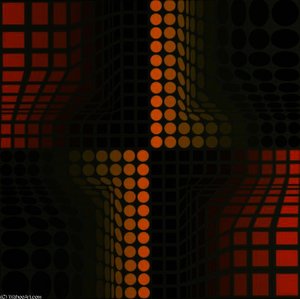
Dzieło sztuki prezentowane na tej stronie podlega ochronie prawem autorskim, co oznacza, że nie mamy prawa do tworzenia ani sprzedaży jego identycznej reprodukcji. Ochrona ta jest egzekwowana na mocy umów międzynarodowych, takich jak Konwencja berneńska oraz przez przepisy prawa krajowego, w tym te określone w Prawo autorskie USA – Tytuł 17.
Metoda ta jest w pełni zgodna z przepisami prawa autorskiego, ponieważ nie polega na kopiowaniu ani powielaniu chronionego dzieła. Stanowi ona kreatywną reinterpretację – nowy obraz, który czerpie inspirację z oryginału, ale nie jest z nim tożsamy.
Wydruki giclée lub płótna o jakości muzealnej, szybka realizacja i szeroki wybór opcji wykończenia. ( Zamów ręcznie malowaną reprodukcję Przejdź do wersji cyfrowej)
Wybierz spośród naszych standardowych rozmiarów, które zachowują oryginalne proporcje dzieła sztuki.

Wpisz wymaganą szerokość i wysokość, aby dopasować grafikę do ramy lub ściany. Wydruk można jedynie przyciąć, nigdy nie powiększając go poza oryginalny obraz, dlatego format o innych proporcjach spowoduje utratę części kompozycji. Przed rozpoczęciem druku prześlemy Ci cyfrowy podgląd do zatwierdzenia. Obraz wyświetlany na tej stronie nie pokazuje rzeczywistego przycięcia — jedynie podgląd oddaje ten efekt.
Dostawa na cały świat () w ciągu 2 tygodni zamiast standardowych 4/5 tygodni. (9 Listopad)
Yvaral
Wymiary reprodukcji
Victor Vasarely’s Yvaral, completed in 1956, is more than just an image; it’s a carefully constructed illusion, a testament to the burgeoning field of Op Art and a profound exploration of how our eyes perceive space and movement. This striking work, measuring 210 x 200 cm, immediately captivates with its stark contrast – a pristine white background punctuated by precisely arranged black circles that seem to vibrate with an almost unsettling energy. Born in Pécs, Croatia (then Austria-Hungary) in 1906, Vasarely’s artistic trajectory began unexpectedly, initially pursuing medical studies before embracing the visual world with unwavering conviction. His journey, shaped by influences from the Bauhaus movement and his time within Bortnyik's Műhely workshop, culminated in a revolutionary approach to art – one that deliberately manipulated perception through geometric abstraction.
The deliberate restriction of the color palette – solely black and white – is crucial to Yvaral’s impact. This stark dichotomy dramatically enhances the optical illusion, making the circles appear to pulsate and shift with every glance. Vasarely wasn't simply depicting shapes; he was engineering a visual experience, exploiting the way our brains process information. The dominant form, of course, is the circle – repeated countless times – but it’s not merely repetition for its own sake. Vasarely meticulously arranged these circles to create larger geometric forms—squares and quadrants—that contribute to the overall structure while simultaneously disrupting any sense of static stability.
The artwork’s execution suggests a serigraph or screen print, a technique favored by Vasarely for its ability to achieve incredibly precise color application and uniform tonal values. The smooth texture, characteristic of printed media, speaks to this meticulous process. It is likely that the original work was created using this method, ensuring the consistent distribution of ink across the canvas. While a photograph of an original work could also account for the image’s appearance, the level of detail and precision strongly points towards a serigraphic reproduction.
Beyond its purely visual impact, Yvaral evokes deeper symbolic resonances. The dynamic arrangement of circles can be interpreted as representing movement, energy, and perhaps even disorientation – mirroring the very experience of engaging with Op Art. The repetitive patterns might also suggest themes of order and chaos, a fundamental duality that Vasarely consistently explored in his work. This piece isn’t just about seeing; it's about *experiencing* perception itself.
Pod względem historycznym „Yvaral” to dzieło z nurtu Op Art, powstałe w szerszej epoce Modern.
Status praw autorskich dla „Yvaral” – Wiktór Wasaryli: dzieło znajduje się w nadal objęte ochroną prawa autorskiego. Określa to, czy reprodukcje obrazu mogą być sporządzane swobodnie.
Dominującym kolorem dzieła „Yvaral” – Wiktór Wasaryli jest Black (#100d06).

1906 - 1997 , Chorwacja

Master the nuances of Giclée printing with our expert guide. Discover how pigment-based inks and museum-grade substrates create fade-resistant, high-fidelity art reproductions designed for discerning collectors seeking unparalleled quality and longevity.

Embark on a visual journey through the mesmerizing world of Op Art. Discover the masters of optical illusion, explore geometric abstraction, and learn how to curate high-impact kinetic works for your private collection with expert guidance from art professionals.

Explore the profound artistry of black and white photography. From historical mastery to the interplay of light and shadow, discover how monochrome captures timeless emotion and form through a sophisticated lens of art history.
Explore the mesmerizing world of Victor Vasarely. Discover how his Bauhaus-inspired Op Art masters the science of perception through geometric abstraction and vibrant color. A sophisticated guide for discerning art collectors seeking to understand the legacy of optical illusion.
 Wyślij jako kartkę
 Udostępnij
 Szczegóły dzieła
 Przewodnik

 Pobierz obraz
 Podobne obiekty
 Pokaz slajdów
 Pytania i odpowiedzi
 Statystyki

 Rozwiń treść






































 Opcja ze szkłem jest dostępna wyłącznie w rozmiarach poniżej 110 cm