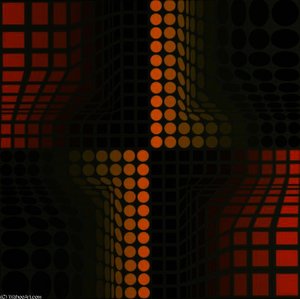
Ręcznie malowany obraz olejny na płótnie, wykonany na zamówienie przez naszych artystów w wybranym przez Ciebie wymiarze i oprawie. ( Zamów wydruk Kup obraz wysokiej rozdzielczości)





























Wybierz spośród naszych standardowych rozmiarów, które zachowują oryginalne proporcje dzieła sztuki.

Możesz wprowadzić własne wymiary, aby dopasować obraz do konkretnej ramy lub przestrzeni. Jeśli wybrany rozmiar nie będzie odpowiadał proporcjom oryginału, przytniecie dzieło sztuki lub rozszerzymy je o dodatkowe elementy, ręcznie domalowane przez artystę. Przed rozpoczęciem produkcji wyślemy projekt cyfrowy do Twojej akceptacji.
Należy pamiętać, że podgląd na ekranie nie odzwierciedla rzeczywistego przycinania ani rozszerzania obrazu. Tylko projekt dokładnie pokaże ostateczną kompozycję.
Choć oferujemy możliwość zamówienia niestandardowych rozmiarów, zalecamy wybór wymiaru z gotowej listy, aby zachować oryginalne proporcje dzieła.
Dostawa na całym świecie () w ciągu 3–4 tygodni zamiast standardowych 5 tygodni. (7 Wrzesień). Bez kompromisów w kwestii jakości.


Pauk 101
Wymiary reprodukcji
Victor Vasarely (1906-1997), born Győző Vásárhelyi in Pécs, Croatia, stands as a monumental figure in the history of 20th-century art. More than just an artist; he was a visionary who fundamentally reshaped our understanding of visual perception and established Op Art – Kinetic Art – as a distinct artistic movement.
His journey began with aspirations for medicine at Eötvös Loránd University, but his passion for visual expression swiftly eclipsed academic pursuits. Recognizing the transformative potential of geometric abstraction, Vasarely enrolled in Sándor Bortnyik’s Műhely workshop, immersing himself in the Bauhaus aesthetic – a movement championing functional design and prioritizing clarity of form.
This formative influence profoundly shaped his artistic approach. The Bauhaus principles instilled in him a meticulous attention to detail and an unwavering commitment to simplifying complex ideas into elegant visual representations. It was here that Vasarely’s distinctive style began to crystallize, laying the groundwork for what would become his globally recognized contribution to art.
Vasarely's breakthrough arrived with his exploration of optical illusions – a concept central to Op Art. Rejecting traditional representational painting, he sought to stimulate visual perception by manipulating color and pattern in ways that defied conventional spatial conventions. He meticulously crafted artworks designed to trick the eye, creating mesmerizing effects of movement and depth without any actual physical motion.
"Pauk 101," created in 1968, exemplifies this groundbreaking technique perfectly. The vibrant interplay of reds, greens, blues, yellows, and purples isn’t merely decorative; it's a deliberate orchestration of visual stimuli aimed at disrupting our habitual ways of seeing.
Vasarely didn’t approach abstraction haphazardly. He developed a rigorously structured artistic system based on mathematical principles and geometric transformations. Each artwork was conceived as a carefully calculated sequence of elements – squares, circles, triangles – arranged in precise patterns to generate an illusionary experience.
"Pauk 101" embodies this systematic methodology. The repetition of geometric shapes creates rhythmic visual movement, subtly altering our perception of space and color. This deliberate control over visual information reflects Vasarely’s belief that art could communicate ideas beyond the literal depiction of reality.
The impact of Vasarely's artistic vision extended far beyond the realm of painting. His pioneering use of Op Art principles influenced graphic design, interior decoration, and even furniture design. Artists like Bridget Riley and Kazimir Malevich recognized Vasarely’s genius and adopted his techniques to create equally captivating visual experiences.
“Pauk 101” continues to inspire designers today who seek to evoke emotion and stimulate the senses through innovative use of color and form—a testament to Victor Vasarely's enduring legacy as a visionary artist and innovator.

1906 - 1997 , Chorwacja
Explore the mesmerizing world of Victor Vasarely. Discover how his Bauhaus-inspired Op Art masters the science of perception through geometric abstraction and vibrant color. A sophisticated guide for discerning art collectors seeking to understand the legacy of optical illusion.

Embark on a visual journey through the mesmerizing world of Op Art. Discover the masters of optical illusion, explore geometric abstraction, and learn how to curate high-impact kinetic works for your private collection with expert guidance from art professionals.

Explore the profound world of optical art and masterpieces that redefine perception. From Vasarely’s geometric illusions to Farndon’s sensory reality, discover how legendary works challenge the eye and transform the viewer's experience through sophisticated abstraction.

Explore the profound spiritual depth of geometric abstraction. From Malevich's Suprematism to modern masters, our expert guide reveals how pure form and color command presence in fine art collections.

Discover the profound beauty of abstract art. Our expert guide explores geometric abstraction, Op Art, and Expressionism, offering connoisseurs deep insights into collecting and curating powerful, non-representational masterpieces for sophisticated interiors.

 Podgląd w skali
 Wyślij jako kartkę
 Udostępnij
 Szczegóły dzieła

 Pobierz
 Podobne obiekty
 RTG
RTG Pokaz slajdów

 Rozwiń treść







 Opcja ze szkłem jest dostępna wyłącznie w rozmiarach poniżej 110 cm