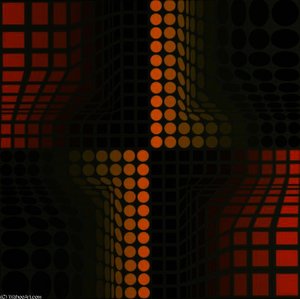
Dzieło sztuki prezentowane na tej stronie podlega ochronie prawem autorskim, co oznacza, że nie mamy prawa do tworzenia ani sprzedaży jego identycznej reprodukcji. Ochrona ta jest egzekwowana na mocy umów międzynarodowych, takich jak Konwencja berneńska oraz przez przepisy prawa krajowego, w tym te określone w Prawo autorskie USA – Tytuł 17.
Metoda ta jest w pełni zgodna z przepisami prawa autorskiego, ponieważ nie polega na kopiowaniu ani powielaniu chronionego dzieła. Stanowi ona kreatywną reinterpretację – nowy obraz, który czerpie inspirację z oryginału, ale nie jest z nim tożsamy.
Wydruki giclée lub płótna o jakości muzealnej, szybka realizacja i szeroki wybór opcji wykończenia. ( Zamów ręcznie malowaną reprodukcję Przejdź do wersji cyfrowej)





























Wybierz spośród naszych standardowych rozmiarów, które zachowują oryginalne proporcje dzieła sztuki.

Wpisz wymaganą szerokość i wysokość, aby dopasować grafikę do ramy lub ściany. Wydruk można jedynie przyciąć, nigdy nie powiększając go poza oryginalny obraz, dlatego format o innych proporcjach spowoduje utratę części kompozycji. Przed rozpoczęciem druku prześlemy Ci cyfrowy podgląd do zatwierdzenia. Obraz wyświetlany na tej stronie nie pokazuje rzeczywistego przycięcia — jedynie podgląd oddaje ten efekt.
Dostawa na cały świat () w ciągu 2 tygodni zamiast standardowych 4/5 tygodni. (10 Listopad)
Nobel II
Wymiary reprodukcji
Victor Vasarely (1906-1997) stands as an undisputed titan of Op art, a movement that irrevocably altered the landscape of 20th-century visual culture. Born Károly Vásárhelyi in Pécs, Hungary – then part of Austria-Hungary – his artistic journey began with aspirations for medicine but swiftly pivoted towards the captivating realm of painting in 1927, enrolling at Sándor Bortnyik’s influential workshop in Budapest.
This formative decision wasn't merely a career change; it was an embrace of geometric abstraction and a profound fascination with perception itself. Bortnyik’s teachings instilled within Vasarely the core principles of Bauhaus design – functionality intertwined with aesthetic innovation – shaping his artistic vision for decades to come.
The breakthrough arrived with his enrollment in Vasarely's workshop, where he absorbed the revolutionary ideas championed by László Moholy-Nagy and Béla Julesz. These mentors instilled a belief that art should transcend elitism and become accessible to all, mirroring Vasarely’s own unwavering commitment to democratizing visual experience.
Vasarely's signature style – characterized by mesmerizing patterns of concentric circles and radiating lines – emerged from this crucible of intellectual exchange. He meticulously crafted these intricate compositions using a technique known as “screenprinting,” applying pigment onto translucent acetate sheets, resulting in vibrant, luminous prints that defy conventional representation.
“Nobel IV,” created in 1983, exemplifies Vasarely’s masterful manipulation of optical illusion. The bold red circle dominates the canvas, encircled by a multitude of smaller black circles – each meticulously positioned to create an unsettling yet captivating visual effect. This artwork isn't simply decorative; it embodies the spirit of Op art’s challenge to our senses and its exploration of how we perceive reality.
More than just aesthetically pleasing, “Nobel IV” speaks to a broader philosophical concern: Vasarely sought to liberate art from traditional constraints, presenting it as an instrument for stimulating contemplation and fostering a deeper understanding of the human condition. It remains a testament to his enduring legacy as one of the most innovative and influential artists of the 20th century.
Vasarely’s work continues to inspire designers and collectors alike, demonstrating that beauty can reside in complexity and that art possesses the power to transform our perception of the world. Its vibrant colors and mesmerizing patterns resonate with a timeless elegance, securing its place as an icon of modern artistic expression.
Paleta dzieła "Nobel II" charakteryzuje się Wyraźne nasycenie barw nasyceniem kolorów.
Aby zamówić wydruk dzieła „Nobel II” – Wiktór Wasaryli, wystarczy przejść na jego stronę Wydruk artystyczny premium: szlachetna odbitka na płótnie bawełnianym lub archiwalnym papierze o strukturze płótna.
W dorobku Wiktór Wasaryli, "Nobel II" wpisuje się w styl Op Art, nawiązując do tematów takich jak geometric abstraction, bauhaus influence, visual perception, kinetic art, pioneering op art.

1906 - 1997 , Chorwacja

Explore the profound evolution of Neo-Abstract art. Discover how bold geometric forms, vibrant chromatic depth, and tactile textures redefine modern expression for the discerning collector seeking sophisticated, high-impact masterpieces for contemporary interiors.

Explore the profound spiritual depth of geometric abstraction. From Malevich's Suprematism to modern masters, our expert guide reveals how pure form and color command presence in fine art collections.

Discover the profound beauty of abstract art. Our expert guide explores geometric abstraction, Op Art, and Expressionism, offering connoisseurs deep insights into collecting and curating powerful, non-representational masterpieces for sophisticated interiors.
Explore the mesmerizing world of Victor Vasarely. Discover how his Bauhaus-inspired Op Art masters the science of perception through geometric abstraction and vibrant color. A sophisticated guide for discerning art collectors seeking to understand the legacy of optical illusion.
 Podgląd w skali 1:1
 Wyślij jako kartkę
 Udostępnij
 Szczegóły dzieła
 Przewodnik

 Pobierz obraz
 Podobne obiekty
 RTG
RTG Pokaz slajdów
 Pytania i odpowiedzi
 Statystyki

 Rozwiń treść









 Opcja ze szkłem jest dostępna wyłącznie w rozmiarach poniżej 110 cm