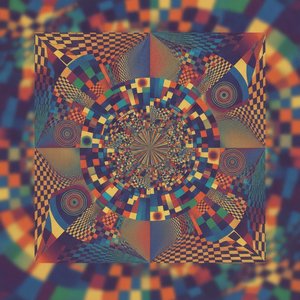
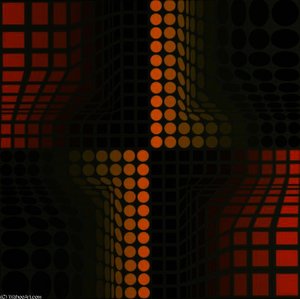
-
Kup teraz
Obrazy malowane na zamówienie Personalizowane wydruki artystyczne Przekształć swoje zdjęcie w artystyczne arcydzieło Kupuj według motywów Przeglądaj według pomieszczeń Asystent dekorowania: Salon Asystent dekorowania: Biuro Kupuj według okazji Kup obrazy dostępne od ręki Kup nasze dziełaOdkryj pracownie naszych partnerów Aukcje dzieł sztuki Odbieraj bezpłatne rekomendacje sztuki Przewodnik kolekcjonera: Jak wybrać swoje pierwsze arcydzieło Przewodnik po dekorowaniu wnętrz reprodukcjami sztuki Usługi prezentowe Przewodnik po obdarowywaniu sztuką w świecie biznesu Mój koszyk Mój panel, Ulubione, Zamówienia
-
Artyści
Wszyscy artyści Ranking 100 najlepszych artystów Według epok artystycznych Alfabetycznie Wszystkie techniki Wszystkie techniki i materiały Według kraju urodzenia Według epok historycznych Według nastroju Według tonacji emocjonalnej Według okresów twórczościWedług kolorystyki dzieł Według roku urodzenia Według intensywności barw Według dorobku artystycznego Słynni artyści, którzy zmienili świat Wzrost znaczenia artystek Mistrzowie renesansu Zamawianie dzieł sztuki dziś Jak współpracujemy z prywatnymi kolekcjonerami Budowanie portfolio artystycznego dla sektora korporacyjnego
- Dzieła sztuki
- Techniki i style
- Muzea
-
Artykuły
Wszystkie artykuły 100 najpopularniejszych artykułów Według słów kluczowych Według kategorii Według tonu Chronologia historii sztuki Podstawy kolekcjonowania sztuki Zrozumienie nurtów w sztuce Arcydzieła na przestrzeni dziejówKolor i emocje w sztuce Sztuka w Twoim domu – jak ją eksponować Sztuka i emocje: dekorowanie wnętrz za pomocą nastroju i energii Poradniki dekorowania wnętrz z podziałem na pomieszczenia Starannie dobrane kolekcje sezonowe Sztuka jako inwestycja Sztuka w korporacji: Zainspiruj swoje biuro kreatywnością Prezenty na ślub i rocznicę Historie i opinie klientów
-
Usługi
Z Twojego zdjęcia na obraz Twoje zdjęcie jako wydruk artystyczny Twoje zdjęcie w formie dzieła sztuki Osobisty doradca ds. sztuki Poproś o wycenę Prywatne zamówienia VIP Wycena dzieł sztuki Sprzedawaj jako galeria Bezpłatna selekcja dzieł sztuki Otrzymuj darmowe rekomendacje dzieł sztuki Od zdjęcia do obrazu: proces tworzenia personalizowanych portretów Proces malowania


 Zobacz w skali 1:1
 Przełącz na wersję drukowaną
 Wyślij
 Udostępnij
 Szczegóły
 Przewodnik

 Pobierz plik obrazu
 Podobne obiekty
 RTG
RTG Pokaz slajdów
 Statystyki

 Czytaj więcej






































 Opcja ze szkłem jest dostępna wyłącznie w rozmiarach poniżej 110 cm