Echo Renesansu w Nowym Świecie
Titian Ramsay Peale II zajmuje fascynującą, często pomijaną pozycję w krajobrazie amerykańskiej sztuki XIX wieku. Urodzony w Filadelfii w 1799 roku, dorastał w artystycznej rodzinie jako najmłodszy syn Charlesa Willsona Peale’a – kluczowej postaci wczesnego portretu amerykańskiego i założyciela pierwszego muzeum w kraju. Choć dziedzictwo ojca było ogromne, Titian wytyczył własną ścieżkę, głęboko zakorzenioną w estetycznych ideałach Wysokiego Renesansu, a zwłaszcza tych płynących z Wenecji. Nie ograniczał się do naśladowania stylów; kanalizował głębokie wrażliwości artystyczne, wpajając swoim płótnom precyzyjne detale i żywą paletę barw, które odróżniały go od wielu współczesnych malarzy. Jego życie rozwijało się w tle rodzącej się tożsamości amerykańskiej, a jego serce artystyczne pozostawało związane z mistrzami klasycznymi, tworząc przekonujące napięcie między szacunkiem dla Starego Świata a ekspresją Nowego.
Od Szkicownika Przyrodnika do Płótna Malarza
Wczesne lata Peale’a charakteryzowały się podwójną fascynacją sztuką i historią naturalną – połączeniem pielęgnowanym przez wieloaspektowe zainteresowania jego ojca. Towarzyszył ekspedycjom, w szczególności podróży Stephena Harrimana Longa do Gór Skalistych w latach 1819-20, dokumentując florę i faunę z rosnącą precyzją artystyczną. Ten okres nie dotyczył jedynie rejestrowania obserwacji; chodziło o *rozumienie* formy, światła i tekstury – umiejętności, które okazały się bezcenne, gdy w pełni poświęcił się malarstwu. Jego praca jako przyrodnika wpłynęła na jego sztukę, dodając naukową precyzję do przedstawień świata natury, ale także nasycając je emocjonalnym rezonansem wykraczającym poza zwykłą dokumentację. Nie pokazywał nam tylko tego, jak rzeczy wyglądają; ujawniał ich wewnętrzne piękno i duchowe znaczenie. To oddanie obu dyscyplin widać w takich dziełach jak „Trybut,” dramatyczny obraz ukazujący mistrzowskie światło i cień przypominające Rubensa, oraz "Nimfa i Pasterz", łączące naturę, mitologię i zmysłową urodę.
Weneckie Inspiracje i Wizje Sakralne
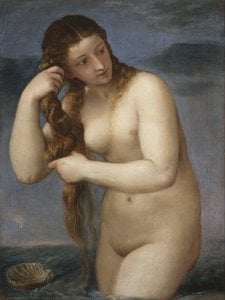
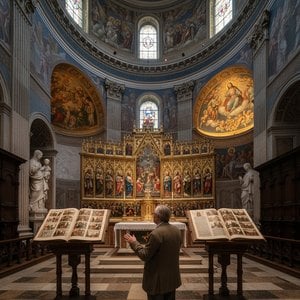
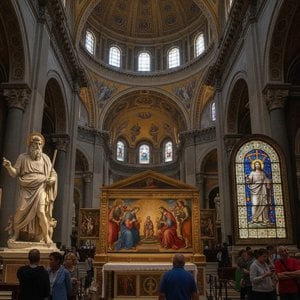
Wpływ weneckiego koloryzmu – nacisku na bogate, świetliste barwy i efekty atmosferyczne promowane przez artystów takich jak Tycjan (od którego Titian zaczerpnął swoje imię) – jest niezaprzeczalny w twórczości Peale’a. Nie kopiował po prostu tych mistrzów; internalizował ich zasady i dostosowywał je do własnej wizji artystycznej. Jest to szczególnie widoczne w jego pracach religijnych, takich jak „Ołtarz ze Świętymi” i "Adoracja Pasterzy". Te obrazy nie są jedynie przedstawieniami scen biblijnych; to immersyjne doświadczenia, które wprowadzają widza w świat kontemplacji duchowej poprzez starannie skomponowane kompozycje i mistrzowskie użycie koloru wywołujące emocje. Skrupulatna dbałość o szczegóły w tych pracach świadczy nie tylko o jego umiejętnościach technicznych, ale także o głębokim szacunku dla tematu. „Piękność”, uderzający portret, dodatkowo demonstruje jego zdolność do uchwycenia ludzkiej formy i charakteru z elegancją i wyrafinowaniem.
Odkrycie na Nowo i Trwałe Znaczenie
Przez większą część XX wieku Titian Ramsay Peale II pozostawał w dużej mierze pomijany przez narracje historyczne sztuki. Jego praca nie pasowała idealnie do dominujących trendów, a jego oddanie klasycznemu stylowi wydawało się anachroniczne w szybko zmieniającym się krajobrazie artystycznym. Jednak w ostatnich latach obserwuje się rosnącą ponowną ocenę jego dorobku. Naukowcy i kolekcjonerzy dostrzegają unikalne połączenie amerykańskiej wrażliwości i europejskich tradycji, które charakteryzują jego obrazy. Odkrycie na nowo jego twórczości nie dotyczy jedynie wypełniania luk w historii sztuki; chodzi o pogłębienie zrozumienia złożonych sił kulturowych, które ukształtowały XIX-wieczną Amerykę. Peale reprezentuje pomost między światami, świadectwo trwałej mocy klasycznych ideałów i przypomnienie, że artystyczna innowacja często wynika z nieoczekiwanych połączeń wpływów. Jego obrazy, znajdujące się obecnie w kolekcjach takich jak WahooArt, Galeria Uffizi i Palazzo Pitti, oferują fascynujący wgląd w zapomniany zakątek amerykańskiej historii sztuki – zakątek oświetlony promienistym blaskiem Renesansu.
- Ruch artystyczny lub styl: Wysoki Renesans
- Artyści, którzy wpłynęli na tego artystę: Tycjan, mistrzowie weneccy
- Data urodzenia: 1799
- Data śmierci: 1885
- Pełne imię: Titian Ramsay Peale II
- Narodowość: Amerykańska
- Znane dzieła: „Ołtarz ze Świętymi”, "Adoracja Pasterzy", „Piękność”, „Trybut”, „Święta Rodzina z Pasterzem”, „Nimfa i Pasterz”



 Zobacz w skali 1:1
 Kup ręcznie malowany obraz
 Wyślij
 Udostępnij
 Szczegóły
 Przewodnik

 Pobierz plik obrazu
 Podobne obiekty
 RTG
RTG Pokaz slajdów
 Statystyki


 Czytaj więcej






































 Opcja ze szkłem jest dostępna wyłącznie w rozmiarach poniżej 110 cm