Zobacz w skali 1:1 Zobacz w AR Kup ręcznie malowany obraz Przełącz na wersję cyfrową Wyślij
Szczegóły Przewodnik Dodaj do ulubionych Pobierz plik obrazu Podobne obiekty RTG Pokaz slajdów Statystyki

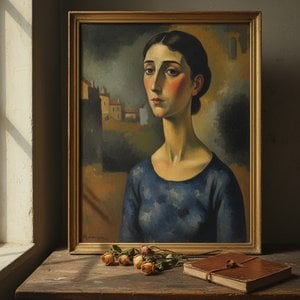
The Student

Discover "The Student" by Thomas Sully (1839). A neoclassical portrait showcasing a young artist's introspection & skill. Explore its rich details, symbolism, and historical significance.

Thomas Sully (1783-1872) – wybitny amerykański malarz portretowy, znany z eleganckich i emocjonalnych obrazów, w tym Portretu Washingtona. Jego twórczość odzwierciedla amerykańską tożsamość.

Giclée / Wydruk artystyczny

Wydruki giclée lub płótna o jakości muzealnej, szybka realizacja i szeroki wybór opcji wykończenia. ( Kup ręcznie malowany obraz Przełącz na wersję cyfrową)

P118B zł10
P118H zł10
P118W zł10
P438Z zł10
P508JH zł12
P508YH zł12
P805H zł10
P805Z zł10
P919BZ zł10
P919G zł10
P919XJ zł10
P959ZH zł10
P968JZ zł12
W106C zł8
W218G zł10
W218JH zł8
W218Y zł10
W307PJ zł10
W316G zł10
W316PJ zł8
W316Y zł10
W398PJ zł8
W4111J zł10
W500HY zł15
W500JH zł15
W692G zł12
W849H zł8
W940BG zł15
W953PJ zł8

Standardowy
na zamówienie
CM
INCH

Wybierz spośród naszych standardowych rozmiarów, które zachowują oryginalne proporcje dzieła sztuki.

szerokość
wysokość

Możesz wprowadzić własne wymiary, aby dopasować dzieło do konkretnej ramy lub przestrzeni. Jeśli wybrany rozmiar nie będzie odpowiadał proporcjom oryginalnego obrazu, przytniecie dzieło lub rozszerzymy obraz za pomocą odbicia lustrzanego lub jednolitego wypełnienia krawędzi. Przed rozpoczęciem produkcji prześlemy cyfrową wizualizację do Twojej akceptacji.
Prosimy pamiętać, że podgląd na ekranie nie odzwierciedla faktycznego przycinania ani rozszerzania. Tylko wizualizacja dokładnie pokaże końcową kompozycję.
Mimo dostępności niestandardowych rozmiarów, zalecamy wybór wymiaru z listy zdefiniowanej, aby zachować oryginalne proporcje.

Dostawa na cały świat () w ciągu 2 tygodni zamiast standardowych 4/5 tygodni. (4 Październik)

why_choose_icon
Bezpłatna ekspresowa wysyłka na cały świat
why_choose_icon
Wysokiej jakości płótno lniane
why_choose_icon
Pełne ubezpieczenie transportowe
why_choose_icon
Gwarancja zwrotu należności celnych i podatków importowych
why_choose_icon
Gwarancja idealnego odwzorowania barw
why_choose_icon
100-dniowy okres na zwrot dzieła w przypadku wykrycia wad produkcyjnych
why_choose_icon
Gwarancja 100% zwrotu pieniędzy
why_choose_icon
Oferta przy zakupie wielu sztuk

Cena całkowita

zł 252

reproduction

The Student

Giclée / Wydruk artystyczny

Rozmiar reprodukcji

-

Suma do zapłaty

zł 252

Kluczowe informacje

  • Dimensions: 60 x 50 cm
  • Influences:
    • West
    • Lawrence
  • Medium: Oil on canvas
  • Notable elements: Hat, sketchbook
  • Year: 1839
  • Artist: Thomas Sully
  • Subject or theme: Artist's self-portrait

Quiz wiedzy o sztuce

Do każdego pytania dotyczy tylko jedna poprawna odpowiedź.

Pytanie 1:
What is the primary artistic style evident in Thomas Sully’s ‘The Student’?
Pytanie 2:
Based on the image description, what is a key element used to create depth in the painting?
Pytanie 3:
What symbolic element is suggested by the presence of a sketchbook in the painting?
Pytanie 4:
In what year was ‘The Student’ painted?
Pytanie 5:
What can be inferred about Thomas Sully’s background from the provided biography?

A Portrait of Quiet Intensity: Thomas Sully’s “The Student”

Thomas Sully's "The Student," painted in 1839, is more than just a likeness; it’s a carefully constructed tableau of introspection and nascent artistic promise. This captivating portrait, rendered in rich oil on canvas, offers a glimpse into the mind of a young artist grappling with observation, creativity, and perhaps a touch of melancholy – emotions subtly conveyed through masterful technique and evocative symbolism. The painting immediately draws the viewer in with its dramatic lighting, casting deep shadows that emphasize the subject’s face and clothing while simultaneously creating an atmosphere of quiet contemplation. Sully's skill lies not merely in replicating appearance but in capturing the *essence* of his sitter, a young woman poised on the cusp of her artistic journey.

The neoclassical style evident in “The Student” is deeply rooted in the traditions of portraiture prevalent during Sully’s career. He skillfully employs lines to define the contours of the subject's face, hair, and clothing – a precision that speaks to his meticulous attention to detail. The shapes are predominantly organic: the flowing lines of her hair, the rounded forms of her face, and the rectangular structure of her hat and sketchbook all contribute to a sense of naturalism balanced with formal elegance. The visible brushstrokes, layered textures, and the deliberate use of dark browns, reds, and greens – a palette that evokes both seriousness and sophistication – further enhance the painting’s tactile quality and imbue it with a palpable sense of history.

Decoding Symbolism: The Language of Art

Beyond its technical brilliance, “The Student” is laden with symbolic elements. The most obvious is, of course, the sketchbook and pencil in her hand – potent emblems of artistic creation and the act of observation. These tools represent not just a means of recording visual information but also the process of translating that information into art. The hat itself can be interpreted as a symbol of identity, perhaps even protection from the outside world, suggesting a desire for solitude and focused creative work. Sully’s choice of attire – modest yet refined – hints at the young woman's aspirations and her position within the social hierarchy of the time.

The composition itself is carefully orchestrated to draw attention to the subject’s inner world. The shallow perspective, typical of portraiture, emphasizes her presence within the frame, creating a sense of intimacy and immediacy. Subtle variations in tone and shadow subtly create depth, preventing the image from feeling flat or static. Sully masterfully uses light and dark not just for aesthetic effect but to shape our understanding of the sitter’s mood – a quiet intensity that suggests both vulnerability and determination.

A Transatlantic Legacy: Thomas Sully's Artistic Journey

Understanding “The Student” requires acknowledging the broader context of Thomas Sully’s life and career. Born in Horncastle, Lincolnshire, England, in 1783, Sully’s journey was one of remarkable transatlantic passage – a testament to his adaptability and artistic ambition. His early exposure to theatrical performance, where he initially pursued a career as a tumbler, undoubtedly shaped his ability to capture fleeting expressions and embody character, skills that would prove invaluable in his portraiture work. His apprenticeship with an insurance broker honed his observational abilities and attention to detail, while his subsequent studies under Benjamin West in London solidified his technical training and introduced him to the conventions of neoclassical portraiture.

Sully’s arrival in America marked a pivotal moment in his career. He quickly established himself as one of the leading portrait painters of his time, capturing the likenesses of prominent figures – presidents, generals, and social elites alike. His work reflected both American ideals of civic virtue and European artistic traditions. “The Student,” therefore, can be seen as a microcosm of Sully’s broader artistic vision: a celebration of individual character, rendered with technical skill and imbued with symbolic meaning. It stands as a poignant reminder of the quiet dedication required to pursue a life devoted to art.

Bringing "The Student" Home: A Reproduction for Your Collection

WahooArt is proud to offer meticulously crafted hand-painted reproductions of Thomas Sully’s “The Student.” Each reproduction captures the painting's original textures, colors, and emotional depth with unparalleled accuracy. Whether you are an art collector, interior designer seeking a sophisticated statement piece, or simply someone captivated by this evocative portrait, our reproductions provide a beautiful and authentic way to experience the artistry of Thomas Sully. Explore our range of sizes and canvas options to find the perfect addition to your home or office – a timeless work of art that speaks volumes about observation, creativity, and the enduring power of human expression.

Pytania i odpowiedzi

Czy mogę obejrzeć "The Student" w formie pełnoekranowej prezentacji slajdów?

Dzieło „The Student” autorstwa Tomasz Sully można obejrzeć w formie pokazu slajdów na stronie Pokaz slajdów danego dzieła.

Gdzie mogę kupić cyfrowy obraz dzieła „The Student” autorstwa Tomasz Sully?

Aby otrzymać plik cyfrowy dzieła „The Student” autorstwa Tomasz Sully, zamów wysokiej rozdzielczości cyfrowe zdjęcie do pobrania na ta strona.

Któremu artyście przypisuje się "The Student"?

„The Student” zostało stworzone przez Tomasz Sully. Informacje na tej stronie opisują oryginalne dzieło autorstwa Tomasz Sully.

W którym roku powstało dzieło "The Student"?

Dzieło „The Student” autorstwa Tomasz Sully powstało w 1839.

Czy kolory dzieła „The Student” autorstwa Tomasz Sully są żywe czy stonowane?

Kolor dzieła "The Student" charakteryzuje się nasyceniem na poziomie Subtle Color oraz intensywnością wynoszącą Monochromatic.

Ile lat miał(a) Tomasz Sully, tworząc "The Student" w 1839 roku?

Tomasz Sully stworzył/a "The Student" w wieku 56 lat. Artysta urodził/a się w 1783, a datowanie dzieła to 1839.

W jaki sposób "The Student" balansuje światło i cień?

Zarejestrowane wartości dla „The Student” autorstwa Tomasz Sully to: jasność deep_shadow, luminancja Dark.


Biografia artysty

A Transatlantic Brushstroke: The Life and Art of Thomas Sully

Thomas Sully’s story is one of remarkable journeys – a transatlantic passage not just across oceans, but through artistic styles and cultural landscapes. Born in 1783 under the skies of Horncastle, Lincolnshire, England, his early life was shaped by an itinerant upbringing as the son of actors Matthew and Sarah Chester Sully. This exposure to performance, with its demands for capturing fleeting expressions and embodying character, would prove profoundly influential on his artistic sensibilities. His family’s relocation to Charleston, South Carolina in 1792 marked a new chapter, offering opportunities within the burgeoning American theater scene. It was here, amidst the vibrant energy of colonial life, that young Thomas began to develop his own artistic talents, initially drawn to the world of theatrical design and eventually discovering a passion for painting. His innate ability to observe and render detail, honed through his experience with stagecraft – particularly in creating realistic costumes and props – laid the foundation for his future success as a portrait painter.

From Miniature to Monumental: Forging an American Style

Sully’s artistic development wasn't confined by geographical boundaries; it was a process of continuous adaptation and refinement. A pivotal moment arrived when, beginning in 1808, he embarked on a period of study in London with the esteemed Benjamin West, a leading figure in British art. While West’s influence was significant, it was the encounter with Thomas Lawrence that truly resonated deeply with Sully. Lawrence's elegant style – characterized by its refined grace, masterful use of light and texture, and remarkable ability to capture both likeness and character – captivated the young American artist. Returning to the United States imbued with this aesthetic, Sully quickly earned the moniker “the Sir Thomas Lawrence of America.” However, he didn’t simply imitate; instead, he skillfully adapted and integrated these influences into a distinctly American style. This involved a careful balancing act: retaining the European sophistication while simultaneously incorporating elements that reflected the unique sensibilities of the New World. His portraits weren't merely technical exercises in likeness; they were explorations of personality, imbued with psychological depth and emotional resonance – a hallmark of his distinctive approach.

The Influence of London and the Pursuit of Perfection

Sully’s time in London proved to be transformative, not just artistically but personally. He immersed himself in the art world, studying techniques, observing masters, and absorbing the prevailing artistic trends. His dedication was further fueled by a desire for technical perfection – he meticulously practiced his craft, honing his skills through countless hours of observation and experimentation. This pursuit of excellence is evident in the remarkable detail and precision that characterize his portraits, from the delicate folds of fabric to the subtle nuances of expression. He also sought guidance from Jean Belzons, a French miniaturist who served as his brother-in-law, though their relationship eventually soured. Despite this setback, Sully’s exposure to diverse artistic perspectives broadened his horizons and solidified his commitment to mastering the art of portraiture.

A Portrait of an Era: Subjects and Significance

Sully's prolific output—over 2,000 paintings over seven decades—reflects both his skill and his relentless dedication. He didn’t merely paint portraits for wealthy patrons; he documented a pivotal era in American history, preserving the faces and stories of men and women who shaped the nation’s destiny. His subjects ranged from prominent politicians like Thomas Jefferson and John Quincy Adams to celebrated military heroes such as Marquis de Lafayette, and even members of the royal family, including Queen Victoria. His portraits captured not just physical likenesses but also conveyed a sense of character, personality, and social standing. *The Passage of the Delaware*, painted in 1819, stands as a particularly significant work – a grand depiction of Washington’s iconic crossing that demonstrated Sully's ability to handle large-scale compositions and imbue them with dramatic power. This painting cemented his place as one of America’s leading portraitists and historical painters.

Legacy and Enduring Influence

Thomas Sully’s legacy extends far beyond the canvases he created. He was a dedicated teacher, mentoring numerous aspiring artists and contributing to the development of American artistic talent. His influence can be seen in the works of his students, who carried forward his techniques and aesthetic sensibilities. Furthermore, Sully's work has been recognized for its historical significance, with many of his portraits serving as important visual records of a bygone era. Today, his paintings hang in prestigious museums across the country – a testament to his enduring artistic skill and lasting contribution to American art history. His story remains a compelling example of transatlantic exchange, artistic adaptation, and the power of portraiture to capture not just likenesses but also the spirit of an age.
Tomasz Sully

Tomasz Sully

1783 - 1872 , Wielka Brytania

Najważniejsze informacje

  • Artistic Movement Or Style: Romantyzm, Neoklasycyzm
  • Artists Or Movements Influenced By This Artist: ['Amerykańska portretystyka']
  • Artists Who Influenced This Artist:
    • Benjamin West
    • Thomas Lawrence
  • Date Of Birth: 1783
  • Date Of Death: 1872
  • Full Name: Thomas Sully
  • Nationality: Brytyjsko-amerykański
  • Notable Artworks:
    • Przejście przez Delaware
    • Portrety Jeffersona
  • Place Of Birth: Horncastle, Anglia