Podgląd w skali 1:1 Podgląd AR Przełącz na wydania drukowane Przejdź do wersji cyfrowej Wyślij jako kartkę
Szczegóły dzieła Przewodnik Dodaj do ulubionych Pobierz obraz Podobne obiekty RTG Pokaz slajdów Statystyki

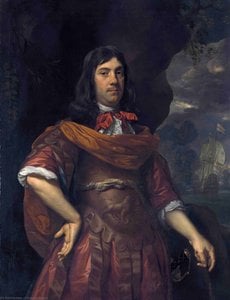
William Dampier

1698 portrait of William Dampier by Thomas Murray. A classical Dutch Golden Age bust in rich browns & creams, showcasing realistic detail & dramatic lighting. Explore this 75x63cm oil on canvas.

Explore the portraits of Thomas Murray (1663-1734), a prominent Scottish painter known for his face-painting style & works featuring royalty & nobility.

Ręcznie malowana reprodukcja olejowa

Ręcznie malowany obraz olejny na płótnie, wykonany na zamówienie przez naszych artystów w wybranym przez Ciebie wymiarze i oprawie. ( Przełącz na wydania drukowane Przejdź do wersji cyfrowej)

Corner sample of the P118B picture frame: polistyren formowany, 5 cm wide and 3 cm thick
P118B zł10
Corner sample of the P118H picture frame: polistyren formowany, 5 cm wide and 3 cm thick
P118H zł10
Corner sample of the P118W picture frame: polistyren formowany, 5 cm wide and 3 cm thick
P118W zł10
Corner sample of the P438Z picture frame: polistyren formowany, 5.5 cm wide and 3.5 cm thick
P438Z zł10
Corner sample of the P508JH picture frame: polistyren formowany, 7 cm wide and 3.5 cm thick
P508JH zł12
Corner sample of the P508YH picture frame: polistyren formowany, 7 cm wide and 3.5 cm thick
P508YH zł12
Corner sample of the P805H picture frame: polistyren formowany, 5 cm wide and 3.5 cm thick
P805H zł10
Corner sample of the P805Z picture frame: polistyren formowany, 5 cm wide and 3.5 cm thick
P805Z zł10
Corner sample of the P919BZ picture frame: polistyren formowany, 7 cm wide and 3.5 cm thick
P919BZ zł10
Corner sample of the P919G picture frame: polistyren formowany, 7 cm wide and 3.5 cm thick
P919G zł10
Corner sample of the P919XJ picture frame: polistyren formowany, 7 cm wide and 3.5 cm thick
P919XJ zł10
Corner sample of the P959ZH picture frame: polistyren formowany, 5 cm wide and 3 cm thick
P959ZH zł10
Corner sample of the P968JZ picture frame: polistyren formowany, 6 cm wide and 4 cm thick
P968JZ zł12
Corner sample of the W106C picture frame: lite drewno, 5 cm wide and 3 cm thick
W106C zł8
Corner sample of the W218G picture frame: lite drewno, 5 cm wide and 3 cm thick
W218G zł10
Corner sample of the W218JH picture frame: lite drewno, 5 cm wide and 3 cm thick
W218JH zł8
Corner sample of the W218Y picture frame: lite drewno, 5 cm wide and 3 cm thick
W218Y zł10
Corner sample of the W307PJ picture frame: lite drewno, 6 cm wide and 3 cm thick
W307PJ zł10
Corner sample of the W316G picture frame: lite drewno, 6 cm wide and 3 cm thick
W316G zł10
Corner sample of the W316PJ picture frame: lite drewno, 6 cm wide and 3 cm thick
W316PJ zł8
Corner sample of the W316Y picture frame: lite drewno, 6 cm wide and 3 cm thick
W316Y zł10
Corner sample of the W398PJ picture frame: lite drewno, 5 cm wide and 3 cm thick
W398PJ zł8
Corner sample of the W4111J picture frame: lite drewno, 6.5 cm wide and 3.5 cm thick
W4111J zł10
Corner sample of the W500HY picture frame: lite drewno, 7 cm wide and 5 cm thick
W500HY zł15
Corner sample of the W500JH picture frame: lite drewno, 7 cm wide and 5 cm thick
W500JH zł15
Corner sample of the W692G picture frame: lite drewno, 8 cm wide and 4 cm thick
W692G zł12
Corner sample of the W849H picture frame: lite drewno, 5 cm wide and 3 cm thick
W849H zł8
Corner sample of the W940BG picture frame: lite drewno, 7.5 cm wide and 4.5 cm thick
W940BG zł15
Corner sample of the W953PJ picture frame: lite drewno, 6 cm wide and 3.5 cm thick
W953PJ zł8

Standardowy format
personalizowane
CM
INCH

Wybierz spośród naszych standardowych rozmiarów, które zachowują oryginalne proporcje dzieła sztuki.

szerokość
wysokość

Wpisz wymaganą szerokość i wysokość, aby obraz pasował do Twojej ramy lub ściany. Ponieważ jest to dzieło malowane ręcznie, w przypadku rozmiaru o innych proporcjach artysta może domalować nieco więcej wokół obrazu lub przyciąć jego fragmenty — wybór należy do Ciebie. Przed rozpoczęciem pracy prześlemy Ci cyfrową wizualizację do zatwierdzenia. Obraz widoczny na tej stronie nie przedstawia rzeczywistego efektu — jedynie wizualizacja oddaje realny rezultat.

Przykłady możliwych zmian: Zamień twarz na zdjęcie klienta; Dodaj zwierzę domowe (np. zamień kota na psa); Ukryj wiadomość w tle; Zmień krajobraz lub elementy tła.
Po złożeniu zamówienia zespół WahooArt.com skontaktuje się z klientem drogą mailową w celu uzyskania instrukcji i prześle wizualizację projektu

Dostawa na całym świecie () w ciągu 3–4 tygodni zamiast standardowych 5 tygodni. (26 Październik). Bez kompromisów w kwestii jakości.

Bezpłatna ekspresowa wysyłka na cały świat
Wysokiej jakości płótno lniane
Pełne ubezpieczenie przesyłki
Gwarancja zwrotu należności celnych i podatków importowych
Gwarancja wiernego odwzorowania kolorów
100-dniowa polityka zwrotów (tylko w przypadku wad)
Gwarancja 100% zwrotu pieniędzy
Zniżka przy zakupie wielu sztuk

Suma całkowita

zł 1045

William Dampier

Technika reprodukcji

Wymiary reprodukcji

-

Cena całkowita

zł 1045

Najważniejsze informacje

  • medium: oil on canvas
  • dimensions: 75 x 63 cm
  • artist: Thomas Murray
  • influences: Dutch Golden Age painting

Quiz o sztuce

Do każdego pytania dotyczy tylko jedna poprawna odpowiedź.

Pytanie 1:
In what year was the portrait of William Dampier painted?
Pytanie 2:
Which artistic style heavily influenced Thomas Murray's portrait of William Dampier?
Pytanie 3:
What is the approximate size of the painting 'William Dampier'?
Pytanie 4:
Based on the portrait, what can be inferred about William Dampier's status?
Pytanie 5:
What technique is evident in the rendering of colors and brushwork within the painting?

A Window into 17th-Century Exploration: Thomas Murray’s Portrait of William Dampier

This striking half-length portrait by Scottish artist Thomas Murray captures the essence of *William Dampier*, a figure who embodied the spirit of adventure and scientific inquiry during the late 17th century. Painted in 1698, the artwork offers not just a likeness but a glimpse into an era defined by exploration, piracy, and burgeoning natural history. The composition, reminiscent of Dutch Golden Age portraiture, centers Dampier against a dark, richly textured background that dramatically highlights his features and attire. Measuring 75 x 63 cm, this oil on canvas work showcases Murray’s skill in rendering realistic detail and dramatic lighting – hallmarks of the period.

Decoding the Image: Style & Technique

Murray masterfully employs a chiaroscuro technique—the strong contrast between light and dark—to sculpt Dampier's form, emphasizing his face and upper torso while allowing the lower portion to recede into shadow. This creates a sense of depth and volume, drawing the viewer’s eye directly to the subject’s gaze. The brushwork is visible yet refined, lending texture and a subtle roughness that enhances the painting’s three-dimensionality. The color palette, dominated by warm browns, reds, and creams, evokes a sense of seriousness and introspection. Note the careful use of white highlights to accentuate details in Dampier's clothing – a testament to Murray’s attention to realism. The shallow perspective focuses intently on the subject’s face, fostering an immediate connection with the viewer.

Beyond the Likeness: Historical Context & Symbolism

The portrait is far more than just a representation of a man; it's a portrayal of a pivotal historical figure. William Dampier was a complex character – explorer, pirate, privateer, navigator, and naturalist. He was the first Englishman to explore parts of Australia and circumnavigated the globe three times. His voyages were instrumental in expanding European knowledge of the world, and he is considered by some as Australia’s first natural historian. Dampier's attire – though not overtly ostentatious – suggests a man of status and wealth, likely reflecting his success (and perhaps notoriety) as a privateer. The portrait was commissioned during a period when depictions of explorers were gaining prominence, fueled by public fascination with newly discovered lands and cultures.

Emotional Resonance & Lasting Appeal

The painting conveys an air of quiet authority and thoughtful contemplation. Dampier’s direct gaze engages the viewer, inviting us to consider his remarkable life and adventures. There's a sense of resilience and perhaps even melancholy in his expression – hinting at the hardships and uncertainties inherent in a life spent navigating uncharted waters. This portrait is not merely a historical artifact; it’s a compelling character study that continues to resonate with audiences today. Its classic style, rich colors, and masterful technique make it an ideal addition to any collection or interior space seeking a touch of timeless elegance and adventurous spirit.

Pytania i odpowiedzi

Czy dostępny jest plik do pobrania w wysokiej rozdzielczości dla "William Dampier"?

Aby otrzymać plik cyfrowy dzieła „William Dampier” – Thomas Murray, zamów wysokiej rozdzielczości cyfrowe zdjęcie do pobrania na stronie Cyfrowy obraz.

W jaki sposób kontrast i harmonia łączą się w "William Dampier"?

W "William Dampier" Gentle kontrast łączy się z Strong Color Unity harmonią.

Kto jest autorem i z jakiego roku pochodzi "William Dampier"?

Autorem dzieła "William Dampier" jest Thomas Murray, a datowanie pracy pochodzi z 1698 roku.


Biografia artysty

Early Life and Apprenticeship

Thomas Murray, born in Scotland in 1663, emerged during a period of significant artistic transition. While details surrounding his early upbringing remain somewhat elusive, it is known that he initially received instruction from a member of the esteemed De Critz family—a lineage renowned for their limner work and heraldic painting. This foundational training likely instilled in Murray a meticulous attention to detail and an appreciation for refined technique. However, recognizing the burgeoning demand for portraiture, his artistic path soon led him to London and the studio of John Riley, arguably the most successful portraitist of the late 17th century England. Riley’s workshop was a hub of activity, catering to the aristocracy and gentry, and Murray quickly absorbed the prevailing style—a focus on capturing likeness with an emphasis on facial features, often leaving the broader composition and background details to assistants. This division of labor was common at the time, but it shaped Murray's early career trajectory.

A Flourishing Portrait Practice

Following Riley’s death in 1691, Murray inherited not only his studio space but also a substantial clientele. He rapidly established himself as a prominent portrait painter, becoming highly sought after by noble patrons and individuals of standing. The early years of the 18th century saw him consistently engaged in commissions, painting members of Parliament, military figures, and other influential personalities. His style, while initially derivative of Riley’s, gradually developed its own distinct character—a refined elegance coupled with a remarkable ability to convey personality through subtle nuances of expression. Murray's success wasn’t solely attributable to his artistic skill; he cultivated a reputation for being courteous, diligent, and attentive to the needs of his sitters, fostering strong relationships that secured repeat business and valuable referrals.

Royal Commissions and Artistic Recognition

A pivotal moment in Murray’s career arrived in 1703 when he received the prestigious commission to paint Queen Anne for the Society of the Middle Temple. This portrait, a testament to his growing reputation, solidified his position among the leading artists of the day. The work exemplifies his mastery of capturing regal bearing and dignified composure. Beyond this significant royal commission, Murray continued to receive commissions from prominent figures, including William Dampier, the renowned explorer, whose portrait showcases his ability to depict character and experience. He was a prolific artist, producing numerous portraits that now grace both public institutions and private collections.

The Uffizi Self-Portrait and Later Life

In 1708, Murray embarked on a journey to Italy, a common practice for aspiring artists seeking inspiration from the Old Masters. During his visit to Florence, he contributed a self-portrait to the esteemed Uffizi Gallery—a gesture that underscored his ambition and desire for recognition within the broader European art world. This portrait, like many of his others, was subsequently engraved, further disseminating his image and style. Despite achieving considerable financial success – it is reported he left £40,000 upon his death in 1734—Murray’s later life was marked by a degree of irony. He had reportedly complained of poverty throughout his career, yet amassed a substantial fortune through shrewd investments alongside his painting practice. His will stipulated the erection of a monument with a bust in Westminster Abbey, but only if it did not prove too costly. Ultimately, his nephew deemed the cost prohibitive and instead buried him in St. Paul’s, Covent Garden, leaving the grand memorial unrealized.

Legacy and Historical Significance

Thomas Murray occupies a fascinating position within the history of British portraiture. He was not an innovator in the same vein as Van Dyck or Reynolds, but he was a highly skilled craftsman who successfully catered to the tastes of his era. His portraits offer valuable insights into the social and political landscape of early 18th-century England, capturing the likenesses of individuals who shaped the nation’s destiny. While often described as a “face painter,” relying on assistants for broader compositional elements, Murray's ability to imbue his sitters with personality and dignity remains undeniable. His work serves as a compelling reminder of the importance of portraiture in documenting history and preserving the memory of those who came before. His contribution lies not in revolutionizing artistic technique but in consistently delivering high-quality portraits that met the demands of a discerning clientele, securing his place as one of Scotland’s most successful portrait painters.

Thomas Murray

Thomas Murray

1663 - 1734

Krótka nota

  • Full Name: Thomas Murray
  • Nationality: Scottish
  • Date Of Birth: 1663
  • Date Of Death: 1734
  • Place Of Birth: Scotland
  • Notable Artworks:
    • Captain William Dampier
    • Sir John Pratt
    • Christopher, duke of Albemarle
  • Artistic Movement Or Style: Portrait Painting
  • Artists Who Influenced This Artist: ['John Riley']
  • Artists Or Movements Influenced By This Artist: ['Dutch Golden Age']