x
Podgląd w skaliPodgląd w skali Podgląd ARPodgląd AR Zamów wydruk Zamów wydrukZamów ręcznie malowaną reprodukcję Zamów ręcznie malowaną reprodukcję Wyślij jako kartkęWyślij jako kartkę
Szczegóły dziełaSzczegóły dzieła Dodaj do ulubionych Dodaj do ulubionych PobierzPobierz Podobne obiektyPodobne obiekty RTGRTG Pokaz slajdówPokaz slajdów

USA

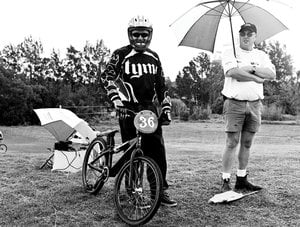
Black & white photo of cyclist Davis Phinney celebrating a race victory in Richmond, VA. Captures energy & excitement – a classic journalistic snapshot of athletic triumph.

The Richmond Times-Dispatch: A historic Virginia newspaper capturing key moments through photojournalism & documenting local events. Also associated with artists Leonard Richmond & Sir William Blake Richmond.

Kup wysokiej rozdzielczości, ulepszony obraz cyfrowy o znacznie wyższej jakości niż podgląd online.

Każdy plik jest starannie przygotowywany przez naszych specjalistów przy użyciu zaawansowanych narzędzi oraz profesjonalnej, ręcznej retuszy. Dbamy o to, aby każdy obraz cechował się wyjątkową ostrością, precyzyjnym odwzorowaniem kolorów i subtelnymi detalami.

Ostateczny plik dostarczany jest drogą mailową w ciągu 72 godzin, zoptymalizowany do natychmiastowego wykorzystania w profesjonalnych zastosowaniach redakcyjnych i poligraficznych. To ta sama jakość, której ufają czołowe studia projektowe, wydawnictwa oraz galerie sztuki.

Obraz cyfrowy

Pobierz plik o wysokiej rozdzielczości do osobistego wyświetlania, druku oraz projektów kreatywnych. (Zamów wydruk Zamów wydrukZamów ręcznie malowaną reprodukcję Zamów ręcznie malowaną reprodukcję)

Suma do zapłaty

$ 24,90

W każdym zamówieniu na obraz cyfrowy znajduje się

Profesjonalna dostawa cyfrowa z gwarancją

Wybierając WahooArt.com, nie otrzymujesz jedynie obrazu – otrzymujesz profesjonalnie udoskonalone cyfrowe dzieło sztuki, stworzone z najwyższą precyzją i objęte gwarancją satysfakcji. Oto wszystko, co automatycznie dołączane jest do Twojego zamówienia:

shipping_icon
Błyskawiczna wysyłka e-mailowa

Plik z obrazem cyfrowym w wysokiej rozdzielczości zostanie przesłany na Twój adres e-mail w ciągu 72 godzin od złożenia zamówienia – gotowy do natychmiastowego użycia.

canvas_icon
Plik cyfrowy wzbogacony przez AI

Twoja grafika została profesjonalnie zoptymalizowana przy użyciu zaawansowanych narzędzi AI oraz ręcznej edycji, co zapewnia maksymalną szczegółowość, klarowność i wierność kolorów.

insurance_icon
Dożywotnia darmowa ponowna dostawa

Przypadkowo usunąłeś lub zgubiłeś swój plik? Bez obaw – prześlemy go Tobie ponownie w dowolnym momencie, bez żadnych opłat.

tax_icon
Bez opłat importowych – zawsze

Ciesz się swoją sztuką natychmiast, bez żadnych opłat celnych, należności ani kosztów dostawy – pliki cyfrowe są zawsze wolne od podatku.

color_icon
Gwarancja wierności kolorów

Dzięki zastosowaniu profesjonalnych narzędzi i procesów zarządzania barwą zapewniamy, że Twoje cyfrowe zdjęcie odzwierciedla oryginalne kolory tak wiernie, jak to tylko możliwe.

return_icon
60-dniowa gwarancja satysfakcji

Jeśli nie będziesz zadowolony ze swojego cyfrowego obrazu, dokonamy jego poprawki lub zwrócimy 100% kosztów w ciągu 60 dni – bez żadnych pytań.

guarantee_icon
100% Gwarancja zwrotu pieniędzy

Nie jesteś zadowolony? Otrzymaj pełny zwrot kosztów w ciągu 60 dni od otrzymania pliku cyfrowego – bez zbędnych pytań.

discount_icon
Rabaty przy zamówieniach hurtowych

Kup 3 obrazy, oszczędź 10% - Kup 5, oszczędź 15% - Kup 10+, oszczędź 20%. Idealne do projektów kreatywnych, galerii i agencji.

Black and white photograph of Davis Phinney, a cyclist on the 7-11 road race team; Phinney, an American, stands with his arms outstretched during the Tour de Trump in downtown Richmond; he wears his

Biografia artysty

A Chronicle of Virginia: The Richmond Times-Dispatch

The story of the Richmond Times-Dispatch is far more than a chronicle of journalistic endeavor; it’s a vibrant tapestry woven into the very fabric of Virginia's history. Emerging from the complex social and political landscape of the 19th century, the paper has evolved from a staunchly partisan voice to become the state’s primary newspaper of record. Its journey reflects not only the changing face of journalism but also the tumultuous shifts in American society itself.

The roots trace back to 1850 with the establishment of the Richmond Dispatch, founded by James A. Cowardin and William H. Davis as a rival publication to the Richmond Compiler, which had previously merged with The Times but ultimately failed in 1853. Quickly gaining prominence, the Dispatch boasted a circulation that tripled its competitors by 1852, fueled by aggressive advertising and a clear editorial stance. Cowardin’s brief foray into Virginia politics as a Whig delegate underscored the paper's growing influence, though it was overshadowed by the looming shadow of the Civil War.

From Confederate Advocate to Post-War Reconstruction

As the nation fractured, the Dispatch became an unwavering voice for the Confederacy. Its pages throbbed with pro-slavery rhetoric, denouncing Union soldiers in fiery terms and documenting the war’s progress—or lack thereof—with a passionate intensity. The paper's survival through the conflict was a testament to its dedication, even as it faced immense challenges, including running the Union blockade to secure new presses from England in 1864. The April 1, 1865 issue marked a poignant end to wartime reporting, followed by the devastating fire that consumed Richmond and the paper’s offices alongside much of the city.

The resilience of the Dispatch was remarkable; it rose from the ashes in December 1865, establishing a new headquarters on 12th and Main Streets. This rebirth coincided with the tumultuous era of Reconstruction. Initially opposing the Ku Klux Klan, the paper later accepted its advertising—a reflection of its complex relationship with the changing political climate and its resistance to Congressional policies. The eventual acceptance of the revised state constitution, even after anti-Confederate provisions were removed, signaled a gradual shift in perspective.

The Consolidation and Rise as Virginia’s News Leader

The late 19th and early 20th centuries witnessed a period of consolidation. The merger with The Times, forming the Richmond Times-Dispatch, solidified its position as the dominant newspaper in Richmond. Under the leadership of figures like Henry K. Ellyson, who briefly served as mayor during a period of intense political strife known as the “Municipal War,” the paper navigated complex local issues and continued to expand its reach throughout Virginia.

By the mid-20th century, the Richmond Times-Dispatch had firmly established itself as "Virginia’s News Leader," serving not only the capital city but also rural regions lacking robust local news coverage. Its circulation steadily grew, becoming second only to Norfolk's The Virginian-Pilot. The paper’s commitment to comprehensive reporting and its role as a newspaper of record cemented its historical significance.

A Legacy in Print and Beyond

Today, the Richmond Times-Dispatch continues to adapt to the evolving media landscape. While embracing digital platforms with a growing subscriber base, it remains dedicated to its core mission: providing Virginians with accurate, insightful news coverage. The paper’s archives—a rich repository of historical photographs and articles—offer a unique window into the state's past, preserving moments of triumph, tragedy, and transformation.

  • Early Photography: The newspaper’s early photographic documentation, such as the black-and-white image of cyclist Davis Phinney celebrating his victory in Richmond, captures the energy and excitement of athletic achievement—a classic example of journalistic storytelling.
  • Community Focus: Images like the “Recycling Cycle” demonstrate a commitment to local issues and environmental awareness.
  • Historical Documentation: Photographs documenting events such as the inspection of a 1942 Mack pumper truck provide valuable insights into Virginia’s social and military history.

The Richmond Times-Dispatch is not merely a newspaper; it's a living chronicle, a testament to the enduring power of journalism in shaping public discourse and preserving the collective memory of a state—and a nation.