


 PaintingNihonga
 19th Century
 30.0 x 41.0 cm
 Narodowe Muzea Liverpool
Druk giclée lub płótno o jakości muzealnej, szybka realizacja i szeroki wybór opcji wykończenia. ( Zamów ręcznie malowaną reprodukcję Kup obraz wysokiej rozdzielczości)





























Wybierz spośród naszych standardowych rozmiarów, które zachowują oryginalne proporcje dzieła sztuki.

Możesz wprowadzić własne wymiary, aby dopasować dzieło do konkretnej ramy lub przestrzeni. Jeśli wybrany rozmiar nie będzie odpowiadał proporcjom oryginalnego obrazu, przytniecie dzieło lub rozszerzymy obraz za pomocą odbicia lustrzanego lub jednolitego wypełnienia krawędzi. Przed rozpoczęciem produkcji prześlemy cyfrową wizualizację do Twojej akceptacji.
Prosimy pamiętać, że podgląd na ekranie nie odzwierciedla faktycznego przycinania ani rozszerzania. Tylko wizualizacja dokładnie pokaże końcową kompozycję.
Mimo dostępności niestandardowych rozmiarów, zalecamy wybór wymiaru z listy zdefiniowanej, aby zachować oryginalne proporcje.
Dostawa na cały świat () w ciągu 2 tygodni zamiast standardowych 4/5 tygodni. (7 Wrzesień)


Preparatory sketch
Wymiary reprodukcji
To gaze upon this preparatory sketch is to step into a moment suspended between memory and bloom. It captures the ephemeral beauty of nature, rendered with the delicate touch characteristic of Japanese masters navigating a period of profound cultural transition. The composition centers around a lush branch, laden with blossoms whose red petals draw the eye immediately. These flowers, interspersed with leaves of varying shades, suggest the vibrant cycle of life—a moment caught just as it reaches its peak perfection. Beyond this intimate floral arrangement, a subtle rock formation anchors the scene in a tangible, natural landscape, lending depth and permanence to the fleeting subject matter.
The artistry here speaks volumes about Taki Katei's mastery of traditional Japanese mediums. While the piece is titled a sketch, it possesses the rich texture and careful application indicative of high-level craftsmanship. One can almost feel the mineral pigments mingling with organic materials on the support, hallmarks of the nihonga style. This technique allowed artists to maintain deep roots in Japanese aesthetic tradition while simultaneously engaging with the visual dialogues sparked by Western influences. The handling of light across the petals and the subtle gradations within the foliage reveal a painter deeply versed in both inherited methods and emerging artistic vocabularies.
Taki Katei’s career spanned an era of immense upheaval for Japan, bridging the late Tokugawa period into the Meiji modernization. This artwork serves as a beautiful microcosm of that cultural tension. While the subject matter—the simple beauty of flowers and stone—is timelessly Japanese, the execution hints at the sophisticated dialogue between established artistic canons and the influx of new global ideas. It is not merely a depiction of nature; it is a document of an artistic spirit adapting, evolving, yet remaining profoundly connected to its cultural heartland.
Flowers in art have always been potent symbols, and here they whisper tales of transience and renewal. The vibrant red petals often symbolize passion or vitality, while the inclusion of the enduring rock formation speaks to resilience and the passage of time. This juxtaposition—the delicate bloom against the steadfast stone—creates a profound emotional resonance for the viewer. It invites contemplation on beauty's fleeting nature and the quiet strength found within natural cycles. For the collector or designer, this piece offers not just decoration, but a meditative focal point, bringing a sense of peaceful, cultivated wildness into any space.
Reproducing such an evocative work allows modern admirers to connect directly with the nuanced genius of Taki Katei. Owning a high-quality reproduction of this preparatory sketch means acquiring more than just art; it is acquiring a piece of cultural narrative, a celebration of enduring beauty rendered through masterful technique. It promises to infuse any room—be it a formal drawing-room or a quiet study—with the gentle, contemplative energy of an ancient Japanese garden at dawn.


1830 - 1901 , Japonia

Explore the profound beauty of Japanese Ukiyo-e art. Discover the legacy of Hokusai and the Utagawa school through an expert exploration of Edo-period aesthetics, seasonal motifs, and the enduring global influence of Japan's 'Floating World' on fine art history.

Explore the profound beauty of Japanese landscape painting. From Hokusai's iconic vistas to Zen-inspired compositions, discover the spiritual depth and historical mastery of Ukiyo-e art in this expert cultural retrospective.

Explore the ephemeral beauty of Japanese Ukiyo-e art. From the dynamic warriors of Kuniyoshi to serene landscapes, discover the profound history, masterful techniques, and global influence of these iconic woodblock prints in our deep cultural retrospective.
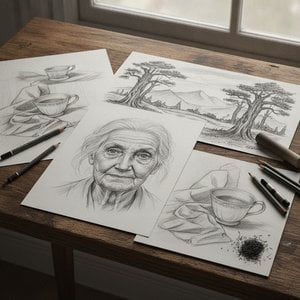
Explore the profound elegance of pencil and charcoal sketching. Discover how masters use line, shadow, and chiaroscuro to capture light and texture, bridging the gap between preparatory studies and timeless fine art masterpieces.

 Podgląd w skali
 Wyślij jako kartkę
 Udostępnij
 Szczegóły dzieła

 Pobierz
 Podobne obiekty
 RTG
RTG Pokaz slajdów
 Rozwiń treść







 Opcja ze szkłem jest dostępna wyłącznie w rozmiarach poniżej 110 cm


