DARMOWA KONSULTACJA ARTYSTYCZNA

x
Zamów wydruk Zamów wydrukZamów reprodukcję Zamów reprodukcję UdostępnijUdostępnij
Szczegóły dziełaSzczegóły dzieła Dodaj do ulubionych Dodaj do ulubionych PobierzPobierz Podobne obiektyPodobne obiekty RTGRTG Pokaz slajdówPokaz slajdów

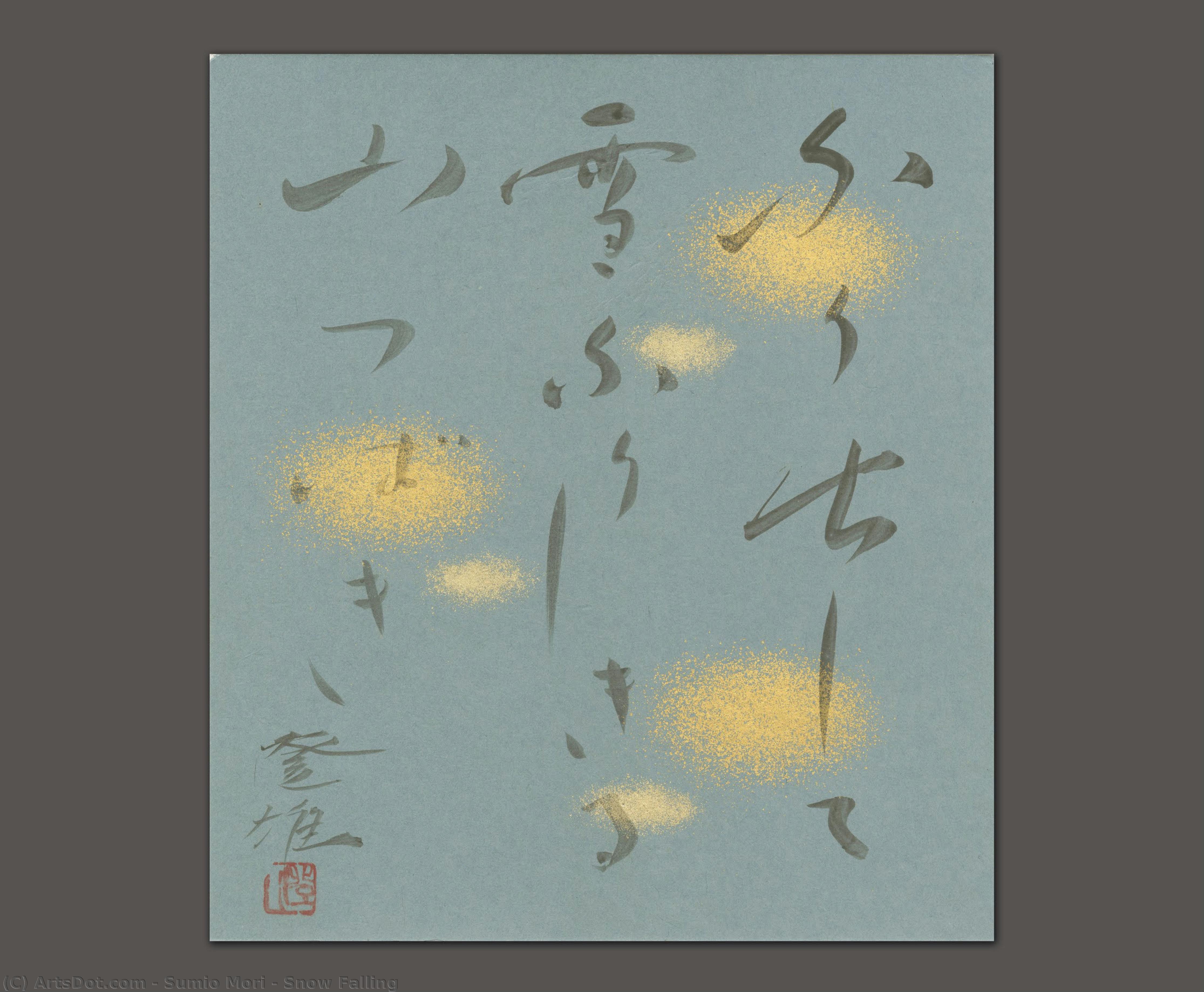
Snow Falling

Japanese haiku poet Sumio Mori (1919-2010) captured nature's beauty in evocative imagery. Known for his haikai tradition, he received prestigious awards & created works like 'Snow Falling'.

Kup wysokiej rozdzielczości, ulepszony obraz cyfrowy, znacznie lepszy niż podgląd online.

Każdy plik jest starannie przygotowywany przez naszych specjalistów przy użyciu zaawansowanych narzędzi oraz profesjonalnej, ręcznej retuszy. Dbamy o to, aby każdy obraz cechował się wyjątkową ostrością, precyzyjnym odwzorowaniem kolorów i subtelnymi detalami.

Ostateczny plik dostarczany jest drogą mailową w ciągu 72 godzin, zoptymalizowany do natychmiastowego wykorzystania w profesjonalnych zastosowaniach redakcyjnych i poligraficznych. To ta sama jakość, której ufają czołowe studia projektowe, wydawnictwa oraz galerie sztuki.

Obraz cyfrowy

Pobierz plik o wysokiej rozdzielczości do osobistego wyświetlania, druku oraz projektów kreatywnych.

Suma do zapłaty

$9.99

Zawarte w każdym zamówieniu na obraz cyfrowy

Profesjonalna dostawa cyfrowa, gwarantowana

Wybierając WahooArt.com, nie otrzymujesz jedynie obrazu – otrzymujesz profesjonalnie udoskonalone cyfrowe dzieło sztuki, stworzone z najwyższą precyzją i objęte gwarancją satysfakcji. Oto wszystko, co automatycznie dołączane jest do Twojego zamówienia:

shipping_icon
Błyskawiczna wysyłka e-mailowa

Plik z obrazem cyfrowym w wysokiej rozdzielczości zostanie przesłany na Twój adres e-mail w ciągu 72 godzin od złożenia zamówienia – gotowy do natychmiastowego użycia.

canvas_icon
Plik cyfrowy wzbogacony przez AI

Twoja grafika została profesjonalnie zoptymalizowana przy użyciu zaawansowanych narzędzi AI oraz ręcznej edycji, co zapewnia maksymalną szczegółowość, klarowność i wierność kolorów.

insurance_icon
Dożywotnia darmowa ponowna dostawa

Przypadkowo usunąłeś lub zgubiłeś swój plik? Bez obaw – prześlemy go Tobie ponownie w dowolnym momencie, bez żadnych opłat.

tax_icon
Bez opłat importowych – zawsze

Ciesz się swoją sztuką natychmiast, bez żadnych opłat celnych, należności ani kosztów dostawy – pliki cyfrowe są zawsze wolne od podatku.

color_icon
Gwarancja wierności kolorów

Dzięki zastosowaniu profesjonalnych narzędzi i procesów zarządzania barwą zapewniamy, że Twoje cyfrowe zdjęcie odzwierciedla oryginalne kolory tak wiernie, jak to tylko możliwe.

return_icon
60-dniowa gwarancja satysfakcji

Jeśli nie będziesz zadowolony ze swojego cyfrowego obrazu, poprawimy go lub zwrócimy 100% kosztów w ciągu 60 dni – bez żadnych pytań.

guarantee_icon
100% Gwarancja zwrotu pieniędzy

Nie zadowoleni? Otrzymaj pełny zwrot kosztów w ciągu 60 dni od otrzymania pliku cyfrowego – bez zbędnych pytań.

discount_icon
Rabaty na zamówienia hurtowe

Kup 3 obrazy, oszczędź 10% - Kup 5, oszczędź 15% - Kup 10+, oszczędź 20%. Idealne do projektów kreatywnych, galerii i agencji.


Biografia artysty

A Life Etched in Haiku: The Poetic World of Sumio Mori

Sumio Mori, born in Nagasaki, Japan, in 1919, was a figure whose life became inextricably linked with the delicate art of haiku. Though his early years saw a relocation to Himeji, the coastal beauty of Nagasaki remained a foundational influence, subtly shaping the imagery and sensibility that would define his poetic voice. Mori wasn’t merely a practitioner of this traditional form; he was a revitalizer, deeply invested in preserving the spirit of pre-modern *haikai* while simultaneously forging a path for contemporary expression. His journey reflects a profound engagement with nature, a quiet introspection on the passage of time, and an unwavering dedication to capturing fleeting moments of beauty within the concise structure of seventeen syllables.

The Haikai Tradition and Early Development

Mori’s artistic lineage is rooted in the *haikai* tradition—a more playful, often humorous precursor to haiku that flourished during the Edo period. This early exposure instilled in him a respect for the form's historical depth and its capacity for both profound observation and subtle wit. His father, Sadatake Mori (writing under the pen name Fuyuhiko), was himself a haiku poet connected with the influential *Hototogisu* magazine, providing a crucial initial mentorship. This familial influence nurtured Mori’s nascent talent, encouraging him to explore the natural world as a source of poetic inspiration. He began composing haiku at a young age, absorbing the rhythms and conventions of the form while developing his own unique perspective. His formal education at Kyushu University likely broadened his intellectual horizons, but it was the immersive experience of Nagasaki's port city environment—a blend of maritime culture and seasonal shifts—that truly ignited his poetic sensibility.

A Voice for Nature: Themes and Style

Mori’s haiku are characterized by a remarkable clarity and evocative power. He eschewed grand pronouncements or overt emotional displays, instead focusing on the precise depiction of natural phenomena. A riverbed of rocks, a single white peach peeled in sunlight, the quiet passing of water—these seemingly simple observations become portals to deeper contemplation. His work often centers around *kigo*, seasonal words that anchor the poem within a specific time and place, creating a sense of immediacy and connection to the cyclical rhythms of nature. He wasn’t simply recording what he saw; he was attempting to distill the essence of an experience, capturing its fleeting beauty before it vanished. This dedication to observation and precision earned him recognition as one of Japan's leading haiku practitioners in the mid-20th century.

Recognition and Legacy: Awards and Influence

Sumio Mori’s contributions to the world of haiku were widely acknowledged during his lifetime, culminating in prestigious awards that solidified his position within the literary landscape. He received the Yomiuri Prize for Poetry in 1977 for his collection *Riso*, a testament to the enduring quality and artistic merit of his work. Further recognition came with the Dakotsu Prize in 1987, honoring his profound impact on haiku artistry. Beyond these accolades, Mori’s influence extended through his role as editor of the influential haiku journal *Kanrai* (Cold Thunder) from 1957 to 1971. As editor, he championed both pre-modern traditions and emerging voices, fostering a vibrant community of poets and shaping the direction of contemporary haiku literature. He was also honored as a Person of Cultural Merit, acknowledging his significant contributions to Japanese arts and culture.

Historical Significance: A Bridge Between Tradition and Modernity

Sumio Mori’s legacy lies in his ability to bridge the gap between tradition and modernity within the art of haiku. He didn't simply replicate the forms of the past; he infused them with a contemporary sensibility, creating works that resonated with both seasoned practitioners and new audiences. His dedication to *haikai* traditions ensured the preservation of this vital aspect of Japanese poetic heritage, while his emphasis on personal introspection and evocative imagery broadened the scope of haiku expression. Mori’s poetry continues to inspire global haiku communities through its depth, fidelity to seasonal observation, and quiet beauty—a testament to the enduring power of seventeen syllables to capture the essence of a fleeting moment in time. He passed away in Tokyo in 2010, leaving behind a body of work that stands as a profound meditation on nature, time, and the human experience.
sumio mori

sumio mori

1919 - 2010 , Japan

Krótka nota

  • Artistic Movement Or Style: Haiku poetry
  • Date Of Birth: 1919
  • Date Of Death: 2010
  • Full Name: Sumio Mori
  • Nationality: Japanese
  • Notable Artworks: ['Snow Falling']
  • Place Of Birth: Nagasaki, Japan