Zobacz w skali 1:1 Zobacz w AR Przełącz na wersję drukowaną Kup ręcznie malowany obraz Wyślij
Szczegóły Przewodnik Dodaj do ulubionych Pobierz plik obrazu Podobne obiekty RTG Pokaz slajdów Statystyki

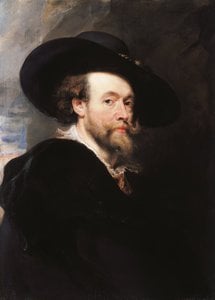
The Dying Seneca

Rubens’ "The Dying Seneca": A stunning Baroque portrait of wisdom & mortality. Witness meticulous detail, dramatic lighting & rich textures in this classic masterpiece.

Petr Paweł Rubins (Rubens): Arcydzieło baroku! Dynamiczne kompozycje, żywe kolory i ikoniczne dzieła takie jak "Upadku z Krzyża". Odkryj jego życie i twórczość.

Kup wysokiej rozdzielczości, ulepszony obraz cyfrowy o jakości znacznie przewyższającej podgląd online.

Każdy plik jest starannie przygotowywany przez naszych specjalistów przy użyciu zaawansowanych narzędzi oraz profesjonalnej, ręcznej retuszy. Dbamy o to, aby każdy obraz cechował się wyjątkową ostrością, precyzyjnym odwzorowaniem kolorów i subtelnymi detalami.

Ostateczny plik dostarczany jest drogą mailową w ciągu 72 godzin, zoptymalizowany do natychmiastowego wykorzystania w profesjonalnych zastosowaniach redakcyjnych i poligraficznych. To ta sama jakość, której ufają czołowe studia projektowe, wydawnictwa oraz galerie sztuki.

Obraz cyfrowy

Pobierz plik o wysokiej rozdzielczości do osobistego użytku, druku oraz projektów kreatywnych. ( Przełącz na wersję drukowaną Kup ręcznie malowany obraz)

Cena całkowita

$ 24,90

W każdym zamówieniu na obraz cyfrowy znajduje się

Profesjonalna dostawa cyfrowa z gwarancją

Wybierając WahooArt.com, nie otrzymujesz jedynie obrazu – otrzymujesz profesjonalnie udoskonalone cyfrowe dzieło sztuki, stworzone z najwyższą precyzją i objęte gwarancją satysfakcji. Oto wszystko, co automatycznie dołączane jest do Twojego zamówienia:

shipping_icon
Błyskawiczna dostawa e-mailowa

Plik z obrazem cyfrowym w wysokiej rozdzielczości zostanie przesłany na Twój adres e-mail w ciągu 72 godzin od złożenia zamówienia – gotowy do natychmiastowego użycia.

canvas_icon
Plik cyfrowy ulepszony przez AI

Twoja grafika została profesjonalnie zoptymalizowana przy użyciu zaawansowanych narzędzi AI oraz ręcznej edycji, co zapewnia maksymalną szczegółowość, klarowność i wierność kolorów.

insurance_icon
Bezpłatna dożywotnia ponowna dostawa

Przypadkowo usunąłeś lub zgubiłeś swój plik? Bez obaw – prześlemy go Tobie ponownie w dowolnym momencie, bez żadnych opłat.

tax_icon
Bez opłat importowych – zawsze

Ciesz się swoją sztuką natychmiast, bez żadnych opłat celnych, należności ani kosztów dostawy – pliki cyfrowe są zawsze wolne od podatku.

color_icon
Gwarancja odwzorowania kolorów

Dzięki zastosowaniu profesjonalnych narzędzi i procesów zarządzania barwą zapewniamy, że Twoje cyfrowe zdjęcie odzwierciedla oryginalne kolory tak wiernie, jak to tylko możliwe.

return_icon
100 dni na satysfakcję

Jeśli nie będziesz zadowolony ze swojego cyfrowego obrazu, poprawimy go lub zwrócimy 100% kosztów w ciągu 100 dni – bez zbędnych pytań.

guarantee_icon
100% Gwarancja zwrotu pieniędzy

Nie jesteś zadowolony? Otrzymaj pełny zwrot kosztów w ciągu 100 dni od otrzymania pliku cyfrowego – bez zbędnych pytań.

discount_icon
Rabaty przy zamówieniach hurtowych

Kup 3 obrazy, oszczędź 10% - Kup 5, oszczędź 15% - Kup 10+, oszczędź 20%. Idealne do projektów kreatywnych, galerii i agencji.

Kluczowe informacje

  • Medium: Oil on Canvas
  • Artistic style: Classical Portraiture
  • Title: The Dying Seneca
  • Movement: Baroque
  • Subject or theme: Wisdom; Decline; Mortality
  • Influences: Italian Renaissance

A Portrait of Decline: Examining Rubens’ “The Dying Seneca”

Sir Peter Paul Rubens' "The Dying Seneca" stands as a monumental achievement in Baroque portraiture, capturing not merely an image but an essence—the poignant confrontation between intellect and mortality. Painted circa 1609-10 during his prolific period in Rome, this masterpiece transcends mere representation; it’s a profound meditation on the human condition, rendered with unparalleled skill and imbued with symbolic resonance. The artwork immediately commands attention through its dramatic composition: a tightly cropped depiction of Seneca, the Roman philosopher renowned for his stoicism and erudition, lying prone upon a draped cloth. Rubens eschews conventional grandeur, opting instead for an intimacy that compels viewers to confront the subject’s vulnerability—a deliberate choice reflecting the Baroque fascination with psychological realism.

Style and Technique: The Baroque Embrace of Emotion

Rubens' mastery is evident in every brushstroke. He employs the hallmarks of Baroque style – intense chiaroscuro (contrast between light and dark) – skillfully manipulating illumination to sculpt Seneca’s face and torso, emphasizing wrinkles and shadows that convey age and suffering. Thick impasto technique—applying paint thickly onto the canvas—creates a palpable textural richness, mirroring the physicality of decay. The artist meticulously observes anatomical detail, capturing the subtle musculature beneath the skin with astonishing accuracy. Furthermore, Rubens utilizes color palettes dominated by muted browns, grays, and ochres, mirroring the somber mood of the scene and reinforcing the overarching theme of decline. These colors aren’t merely decorative; they communicate a deep understanding of how pigment can evoke emotion and convey psychological states.

Historical Context: Stoicism Under Siege

“The Dying Seneca” emerged during a turbulent period in European history—the Counter-Reformation—when Catholic dogma sought to reaffirm its authority amidst the challenges posed by Protestantism. Seneca’s philosophy, advocating acceptance of fate and detachment from worldly desires, resonated powerfully with humanist ideals prevalent at the time. Rubens' depiction reflects this intellectual climate, presenting Seneca as a figure grappling with mortality while embodying the virtues of wisdom and resilience. The artwork serves as a visual commentary on the anxieties surrounding death and decay—themes central to Baroque art’s exploration of human experience.

Symbolism: Beyond Appearance – A Reflection of Inner Turmoil

The symbolism embedded within “The Dying Seneca” extends far beyond its surface depiction. The slumped posture signifies defeat, yet simultaneously embodies Seneca's unwavering commitment to philosophical contemplation. The drapery—a common motif in Baroque art—represents the shroud of death and underscores the inevitability of mortality. Subtle hints of purple in Seneca’s hair and skin tones symbolize royalty and dignity, juxtaposed with the vulnerability of physical deterioration. Rubens skillfully utilizes visual cues to communicate complex ideas about human nature and spiritual fortitude.

Emotional Impact: A Moment Frozen in Time

Ultimately, “The Dying Seneca” succeeds in capturing a profound emotional response from the viewer. The artwork’s unsettling realism confronts us with the fragility of life and prompts contemplation on themes of suffering, wisdom, and acceptance. Rubens' masterful technique—particularly his dramatic lighting and textural richness—creates an immersive experience that transcends mere visual observation. It is this ability to evoke empathy and provoke introspection that secures “The Dying Seneca” its place as one of the most enduring portraits of the Baroque era – a testament to Rubens’ unparalleled artistic vision.

Biografia artysty

A Life Forged in Baroque Splendor

Sir Peter Paul Rubens, a name synonymous with the very essence of Baroque dynamism, was far more than simply a painter; he was a diplomat, a scholar, and a cultural architect who fundamentally reshaped the artistic landscape of 17th-century Europe. Born in Siegen, Germany, in 1577, his early life was marked by displacement—a formative experience that subtly permeated his later work with an undercurrent of drama and emotional depth. His father, Jan Rubens, a lawyer fleeing religious persecution for his Calvinist beliefs, uprooted the family from their native Antwerp, then under Spanish rule. This initial exile instilled in young Peter Paul a sense of resilience and adaptability, qualities that would serve him well throughout his multifaceted career. Following his father’s death in 1587, the family returned to Antwerp, where he received a humanist education before embarking on his artistic training around 1590, apprenticing under Tobias Verhaecht and Adam van Noort, honing foundational skills in drawing and painting techniques. However, it was his time with Otto van Veen that proved pivotal, exposing him to the rich legacy of Italian Renaissance art—a world he would soon embrace wholeheartedly.

The Italian Awakening and Artistic Synthesis

In 1600, Rubens embarked on a transformative journey to Italy, a pilgrimage that irrevocably shaped his artistic vision. For eight years, he immersed himself in the masterpieces of Michelangelo, Raphael, and Titian, absorbing their mastery of form, color, and composition. The influence of these Renaissance giants is readily apparent in his early Italian works, characterized by classical themes and idealized figures. Yet, Rubens didn’t merely imitate; he synthesized these influences with his own innate talent, developing a distinctive style marked by vibrant hues, dynamic compositions, and a sensuous depiction of the human form. He studied anatomy meticulously, resulting in figures that possessed both physical realism and emotional power—robust bodies imbued with life and movement. This period wasn’t solely about artistic development; it was a profound intellectual awakening, fostering a deep appreciation for classical mythology and literature which would become recurring motifs throughout his oeuvre. Upon returning to Antwerp in 1608, Rubens swiftly established himself as the leading artist of his time, receiving a flood of commissions that testified to his burgeoning reputation and solidifying his position at the forefront of Flemish art.

A Master of Many Forms: Painting Beyond Boundaries

Rubens’s artistic output was astonishingly diverse and prolific. He didn't confine himself to a single genre; instead, he excelled in history paintings, mythological scenes, portraits, landscapes, and religious works—a testament to his versatility and boundless creativity. His large-scale canvases, often intended for churches, palaces, and public spaces, were breathtaking displays of technical virtuosity and dramatic storytelling. The Descent from the Cross (c. 1616-1617) exemplifies his masterful use of light and shadow to create a scene of profound emotional intensity, drawing viewers into the heart of the narrative. The figures are not merely depicted; they *feel* the weight of grief and the drama of the moment. The Raising of the Cross (1610-1611), with its swirling figures and dynamic composition, showcases his ability to convey movement and energy—a hallmark of his Baroque style. Even in seemingly static subjects like The Judgement of Paris (c. 1636), Rubens infused a sense of life and vitality through his vibrant color palette and sensual depiction of the human form. His technique was equally remarkable – a masterful command of oil painting, employing impasto to create texture and depth, alongside delicate glazing techniques to achieve luminous effects. He frequently employed allegorical figures and symbolic imagery, layering narratives with complex meanings that invited contemplation and interpretation.

The Influence of Rubens: A Legacy of Dynamism

Rubens’s impact on the art world was immediate and profound. His style quickly became a dominant force in Flemish painting, influencing generations of artists who sought to emulate his dynamism, color, and sensuality. Artists like Anthony van Dyck, known for his elegant portraits and masterful compositions, were directly inspired by Rubens's work. Jacob Jordaens, another prominent Antwerp painter, adopted many of Rubens’s techniques and compositional strategies. Even centuries later, the influence of Rubens can be seen in the works of Eugène Delacroix, the Romantic French painter who admired Rubens’s dramatic flair and expressive use of color. Beyond his direct followers, Rubens's work served as a model for artists across Europe, shaping the course of Baroque art and contributing to the development of new artistic styles. His emphasis on movement, emotion, and sensual beauty resonated with audiences throughout the 17th and 18th centuries, cementing his place as one of the most important figures in Western art history.

Diplomacy, Legacy, and Enduring Influence

Rubens’s influence extended far beyond the realm of art. His diplomatic skills were highly sought after by the Southern Netherlands (modern-day Belgium), and he undertook numerous missions to England, France, and Spain, negotiating treaties and fostering political alliances—a unique dual role that afforded him a nuanced perspective on European affairs and further enhanced his reputation as a man of intellect and influence. In 1630, he married Hélène Fourment, who became both his muse and frequent subject in his paintings – her youthful beauty gracing many of his later works, embodying the sensuality and vitality that characterized his style. He continued to paint prolifically until his death in Antwerp in 1640, leaving behind a vast legacy that continues to inspire awe and admiration. His impact on subsequent generations of artists is immeasurable; painters like Anthony van Dyck, Jacob Jordaens, and Eugène Delacroix all drew inspiration from his dynamic compositions, vibrant colors, and sensuous figures. Rubens didn’t just define the Baroque style—he elevated painting to a new level of prestige and influence, solidifying Antwerp as a major center of artistic production during the 17th century. He remains, centuries later, a towering figure in the history of art, a testament to the power of human creativity and the enduring allure of Baroque splendor.

Key Characteristics of Rubens’s Style

  • Dynamic Composition: Rubens' paintings are known for their energetic and dramatic arrangements of figures.
  • Vibrant Color Palette: He employed a rich, warm color scheme that brought his canvases to life.
  • Sensuous Figures: His depictions of the human form were characterized by fullness, vitality, and often, overt sensuality.
  • Masterful Use of Light and Shadow: Rubens skillfully manipulated light and shadow to create depth, drama, and emotional impact.
  • Allegorical Symbolism: His works frequently incorporated allegorical figures and symbolic imagery, adding layers of meaning and complexity.

Rubens

Rubens

1577 - 1640 , Niemcy

Najważniejsze informacje

  • Artistic Movement Or Style: Barokowy
  • Artists Or Movements Influenced By This Artist:
    • Anthony van Dyck
    • Jacob Jordaens
  • Artists Who Influenced This Artist:
    • Tycjan
    • Rafael
    • Michelangelo
  • Date Of Birth: 1577
  • Date Of Death: 1640
  • Full Name: Sir Peter Paul Rubens
  • Nationality: Flamandzki
  • Notable Artworks:
    • Deszcz z krzyżem
    • Wniebowzięcie Najświętszej Maryi Panny
    • Portret Isabelle Brant
  • Place Of Birth: Siegen, Niemcy