


 Baroque
 1618
1618 212.0 x 213.0 cm
 Alte Pinakothek
Druk giclée lub płótno o jakości muzealnej, szybka realizacja i szeroki wybór opcji wykończenia. ( Zamów ręcznie malowaną reprodukcję Kup obraz wysokiej rozdzielczości)





























Wybierz spośród naszych standardowych rozmiarów, które zachowują oryginalne proporcje dzieła sztuki.

Możesz wprowadzić własne wymiary, aby dopasować dzieło do konkretnej ramy lub przestrzeni. Jeśli wybrany rozmiar nie będzie odpowiadał proporcjom oryginalnego obrazu, przytniecie dzieło lub rozszerzymy obraz za pomocą odbicia lustrzanego lub jednolitego wypełnienia krawędzi. Przed rozpoczęciem produkcji prześlemy cyfrową wizualizację do Twojej akceptacji.
Prosimy pamiętać, że podgląd na ekranie nie odzwierciedla faktycznego przycinania ani rozszerzania. Tylko wizualizacja dokładnie pokaże końcową kompozycję.
Mimo dostępności niestandardowych rozmiarów, zalecamy wybór wymiaru z listy zdefiniowanej, aby zachować oryginalne proporcje.
Dostawa na cały świat () w ciągu 2 tygodni zamiast standardowych 4/5 tygodni. (7 Wrzesień)


Drunken Silenus
Wymiary reprodukcji
Peter Paul Rubens' "Drunken Silenus," painted in 1618, is a vibrant and dynamic masterpiece that epitomizes the exuberance of the Baroque period. This oil on panel painting, measuring 212 x 213 cm and currently residing at the Alte Pinakothek in Munich, Germany, captures a scene of unrestrained joy and bacchanalian revelry. The artwork is not merely a depiction of intoxication; it's an exploration of human nature, sensuality, and the fleeting pleasures of life, rendered with Rubens’ signature mastery of color and composition.
At the heart of the painting lies Silenus, the mythological companion of Dionysus (Bacchus), god of wine and revelry. He is portrayed in a state of joyous abandon, leaning heavily on a support as if overcome by the effects of wine. Surrounding him is a lively throng of figures – men, women, and children – each engaged in their own expressions of merriment. Some are drinking from goblets, others handling bowls overflowing with fruit, while still others simply observe the scene with smiles or laughter. The composition is deliberately chaotic yet carefully orchestrated by Rubens, creating a sense of movement and energy that draws the viewer into the heart of the celebration. Details like the chair and potted plant in the background add depth and realism to the lively gathering.
“Drunken Silenus” is a quintessential example of Baroque art, characterized by its dramatic use of light and shadow (chiaroscuro), dynamic composition, and rich color palette. Rubens’ masterful technique involves layering oil paints to create depth and texture, resulting in a luminous quality that brings the scene to life. The figures are rendered with anatomical accuracy and expressive gestures, conveying a range of emotions from boisterous laughter to quiet contemplation. Rubens' use of warm colors – reds, golds, and browns – further enhances the sense of warmth and vitality within the painting. His ability to capture movement is particularly striking; the swirling robes, gesturing hands, and leaning bodies all contribute to the feeling that the scene is unfolding before our very eyes.
The subject matter itself – a bacchanal or drunken revelry – draws heavily from classical mythology. Silenus represents not only intoxication but also wisdom, as he is often depicted as a sage despite his inebriated state. The painting reflects the broader cultural context of the early 17th century, a period marked by both religious fervor and a renewed interest in classical antiquity. Rubens, deeply learned in classical literature and art, skillfully blended mythological themes with observations of everyday life, creating a work that is both entertaining and intellectually stimulating. The scene can be interpreted as an allegory for the fleeting nature of earthly pleasures and the importance of embracing joy while it lasts.
"Drunken Silenus" evokes a powerful sense of joy, vitality, and unrestrained human emotion. The painting’s dynamic composition and vibrant colors create an immersive experience for the viewer, inviting them to share in the revelry depicted on canvas. As one of Peter Paul Rubens' most celebrated works, "Drunken Silenus" continues to captivate audiences with its masterful technique, rich symbolism, and enduring celebration of life's pleasures. It stands as a testament to Rubens’ genius and his ability to capture the essence of the Baroque spirit.

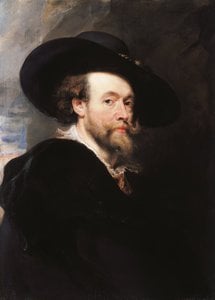
1577 - 1640 , Niemcy

Explore the dramatic brilliance of the Flemish Baroque movement. Discover how masters like Peter Paul Rubens utilized chiaroscuro and dynamic composition to redefine art history through light, shadow, and unparalleled emotion.

Embark on a sophisticated journey through the eternal allure of mythological art. Discover how master painters breathe life into ancient legends, from Greek deities to Baroque masterpieces, and learn to curate these timeless narratives within your own exquisite art collection.

Explore the breathtaking drama of the Baroque era. From the mastery of chiaroscuro to epic mythological narratives, discover a definitive guide to art's most powerful period of light, shadow, and emotion for the true classical art enthusiast.

Explore the exquisite precision of Flemish painting. From Jan van Eyck to Robert Campin, discover the revolutionary oil techniques and rich symbolism that defined the Northern Renaissance and continue to inspire fine art collectors today.

 Podgląd w skali
 Wyślij jako kartkę
 Udostępnij
 Szczegóły dzieła

 Pobierz
 Podobne obiekty
 RTG
RTG Pokaz slajdów
 Rozwiń treść







 Opcja ze szkłem jest dostępna wyłącznie w rozmiarach poniżej 110 cm


