


 Akryl na płótnieSztuka ściennaBaroque
 1617Renesans
 425.0 x 295.0 cm
Druk giclée lub płótno o jakości muzealnej, szybka realizacja i szeroki wybór opcji wykończenia. ( Zamów ręcznie malowaną reprodukcję Kup obraz wysokiej rozdzielczości)





























Wybierz spośród naszych standardowych rozmiarów, które zachowują oryginalne proporcje dzieła sztuki.

Możesz wprowadzić własne wymiary, aby dopasować dzieło do konkretnej ramy lub przestrzeni. Jeśli wybrany rozmiar nie będzie odpowiadał proporcjom oryginalnego obrazu, przytniecie dzieło lub rozszerzymy obraz za pomocą odbicia lustrzanego lub jednolitego wypełnienia krawędzi. Przed rozpoczęciem produkcji prześlemy cyfrową wizualizację do Twojej akceptacji.
Prosimy pamiętać, że podgląd na ekranie nie odzwierciedla faktycznego przycinania ani rozszerzania. Tylko wizualizacja dokładnie pokaże końcową kompozycję.
Mimo dostępności niestandardowych rozmiarów, zalecamy wybór wymiaru z listy zdefiniowanej, aby zachować oryginalne proporcje.
Dostawa na cały świat () w ciągu 2 tygodni zamiast standardowych 4/5 tygodni. (6 Wrzesień)


Descent from the Cross
Wymiary reprodukcji
Peter Paul Rubens’ Descent from the Cross stands as a monumental achievement in Baroque art—a testament to Rubens’ unparalleled mastery of composition, emotion, and artistic innovation. Painted in 1617 for the altar of Our Lady Cathedral in Antwerp, Belgium, this colossal oil on canvas (425 x 295 cm) transcends mere depiction; it embodies the spiritual fervor and dramatic grandeur characteristic of its era.
The painting captures the pivotal moment following Jesus’ crucifixion—his removal from the cross by Joseph of Arimathea and Nicodemus. Rubens meticulously portrays this scene with breathtaking realism, populated by figures reacting to Christ's descent with palpable sorrow and devotion. The central figure dominates the composition: Jesus himself, slumped gracefully yet powerfully onto a draped cloth, embodying both vulnerability and divine majesty.
Rubens’ genius lies in his masterful orchestration of visual elements—a dynamic diagonal thrust that guides the viewer's eye upward toward Christ. The intricate layering of figures creates a sense of depth and movement, mirroring the emotional turbulence of the event. Notably, Rubens employs *chiaroscuro*, dramatic contrasts between light and shadow, to heighten the emotional intensity and illuminate key areas of interest—drawing attention to Jesus’ body and emphasizing the expressions of grief on the faces of Mary Magdalene and the Virgin Mary.
Rubens was a pivotal figure in Flemish Baroque art, inheriting the legacy of Mannerism while embracing the expressive dynamism championed by Caravaggio. He skillfully blended classical ideals—particularly sculptural form—with Christian iconography, reflecting the humanist spirit of his time. The painting’s monumental scale and vibrant color palette exemplify Rubens' distinctive style—a bold departure from academic conventions that cemented his reputation as one of Europe’s foremost artists.
Today, Rubens House Museum in Antwerp offers visitors a captivating glimpse into Rubens’ life and artistic process—allowing them to appreciate the painting within its broader historical context. Alongside Peter Paul Rubens at WahooArt, this masterpiece continues to inspire awe and contemplation, serving as an enduring symbol of faith and artistic excellence.

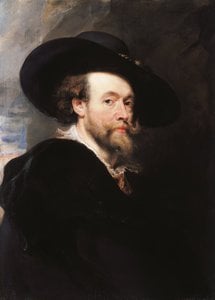
1577 - 1640 , Niemcy

Elevate your collection with the dramatic grandeur of Baroque oil masterpieces. WahooArt offers exquisite, hand-painted reproductions of the Great Masters, featuring authentic chiaroscuro and premium textures. Discover bespoke artistry and expert consultation for elite collectors worldwide.

 Podgląd w skali
 Wyślij jako kartkę
 Udostępnij
 Szczegóły dzieła

 Pobierz
 Podobne obiekty
 RTG
RTG Pokaz slajdów
 Rozwiń treść







 Opcja ze szkłem jest dostępna wyłącznie w rozmiarach poniżej 110 cm


