Zobacz w skali 1:1 Zobacz w AR Kup ręcznie malowany obraz Przełącz na wersję cyfrową Wyślij
Szczegóły Przewodnik Dodaj do ulubionych Pobierz plik obrazu Podobne obiekty RTG Pokaz slajdów Statystyki

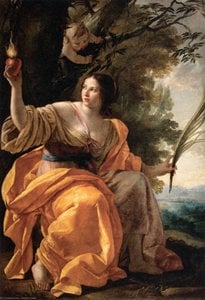
The Fortune Teller

Discover "The Fortune Teller" by Simon Vouet (1617), a dramatic Baroque masterpiece depicting a mysterious scene of prophecy. Explore its rich details and historical context.

Poznaj Simona Voueta (1590-1649), francuskiego malarza baroku, który wprowadził włoskie trendy i ukształtował sztukę XVII wieku we Francji!

Giclée / Wydruk artystyczny

Wydruki giclée lub płótna o jakości muzealnej, szybka realizacja i szeroki wybór opcji wykończenia. ( Kup ręcznie malowany obraz Przełącz na wersję cyfrową)

Corner sample of the P118B picture frame: polistyren formowany, 5 cm wide and 3 cm thick
P118B zł10
Corner sample of the P118H picture frame: polistyren formowany, 5 cm wide and 3 cm thick
P118H zł10
Corner sample of the P118W picture frame: polistyren formowany, 5 cm wide and 3 cm thick
P118W zł10
Corner sample of the P438Z picture frame: polistyren formowany, 5.5 cm wide and 3.5 cm thick
P438Z zł10
Corner sample of the P508JH picture frame: polistyren formowany, 7 cm wide and 3.5 cm thick
P508JH zł12
Corner sample of the P508YH picture frame: polistyren formowany, 7 cm wide and 3.5 cm thick
P508YH zł12
Corner sample of the P805H picture frame: polistyren formowany, 5 cm wide and 3.5 cm thick
P805H zł10
Corner sample of the P805Z picture frame: polistyren formowany, 5 cm wide and 3.5 cm thick
P805Z zł10
Corner sample of the P919BZ picture frame: polistyren formowany, 7 cm wide and 3.5 cm thick
P919BZ zł10
Corner sample of the P919G picture frame: polistyren formowany, 7 cm wide and 3.5 cm thick
P919G zł10
Corner sample of the P919XJ picture frame: polistyren formowany, 7 cm wide and 3.5 cm thick
P919XJ zł10
Corner sample of the P959ZH picture frame: polistyren formowany, 5 cm wide and 3 cm thick
P959ZH zł10
Corner sample of the P968JZ picture frame: polistyren formowany, 6 cm wide and 4 cm thick
P968JZ zł12
Corner sample of the W106C picture frame: lite drewno, 5 cm wide and 3 cm thick
W106C zł8
Corner sample of the W218G picture frame: lite drewno, 5 cm wide and 3 cm thick
W218G zł10
Corner sample of the W218JH picture frame: lite drewno, 5 cm wide and 3 cm thick
W218JH zł8
Corner sample of the W218Y picture frame: lite drewno, 5 cm wide and 3 cm thick
W218Y zł10
Corner sample of the W307PJ picture frame: lite drewno, 6 cm wide and 3 cm thick
W307PJ zł10
Corner sample of the W316G picture frame: lite drewno, 6 cm wide and 3 cm thick
W316G zł10
Corner sample of the W316PJ picture frame: lite drewno, 6 cm wide and 3 cm thick
W316PJ zł8
Corner sample of the W316Y picture frame: lite drewno, 6 cm wide and 3 cm thick
W316Y zł10
Corner sample of the W398PJ picture frame: lite drewno, 5 cm wide and 3 cm thick
W398PJ zł8
Corner sample of the W4111J picture frame: lite drewno, 6.5 cm wide and 3.5 cm thick
W4111J zł10
Corner sample of the W500HY picture frame: lite drewno, 7 cm wide and 5 cm thick
W500HY zł15
Corner sample of the W500JH picture frame: lite drewno, 7 cm wide and 5 cm thick
W500JH zł15
Corner sample of the W692G picture frame: lite drewno, 8 cm wide and 4 cm thick
W692G zł12
Corner sample of the W849H picture frame: lite drewno, 5 cm wide and 3 cm thick
W849H zł8
Corner sample of the W940BG picture frame: lite drewno, 7.5 cm wide and 4.5 cm thick
W940BG zł15
Corner sample of the W953PJ picture frame: lite drewno, 6 cm wide and 3.5 cm thick
W953PJ zł8

Standardowy
na zamówienie
CM
INCH

Wybierz spośród naszych standardowych rozmiarów, które zachowują oryginalne proporcje dzieła sztuki.

szerokość
wysokość

Wpisz wymaganą szerokość i wysokość, aby dopasować grafikę do ramy lub ściany. Wydruk można jedynie przyciąć, nigdy nie powiększając go poza oryginalny obraz, dlatego format o innym proporcji spowoduje utratę części kompozycji. Przed rozpoczęciem druku prześlemy Ci cyfrowy podgląd do zatwierdzenia. Obraz wyświetlany na tej stronie nie pokazuje rzeczywistego przycięcia — jedynie podgląd oddaje ten efekt.

Dostawa na cały świat () w ciągu 2 tygodni zamiast standardowych 4/5 tygodni. (22 Październik)

Bezpłatna ekspresowa wysyłka na cały świat
Wysokiej jakości płótno lniane
Pełne ubezpieczenie transportowe
Gwarancja zwrotu należności celnych i podatków importowych
Gwarancja idealnego odwzorowania barw
100-dniowy okres na zwrot dzieła w przypadku wykrycia wad produkcyjnych
Gwarancja 100% zwrotu pieniędzy
Oferta przy zakupie wielu sztuk

Cena całkowita

zł 261

The Fortune Teller

Giclée / Wydruk artystyczny

Rozmiar reprodukcji

-

Suma do zapłaty

zł 261

Kluczowe informacje

  • Subject or theme: Fortune-telling
  • Movement: Baroque
  • Artistic style: Portraiture, narrative
  • Dimensions: 95 x 135 cm
  • Title: The Fortune Teller
  • Location: Galleria Nazionale

Quiz wiedzy o sztuce

Do każdego pytania dotyczy tylko jedna poprawna odpowiedź.

Pytanie 1:
What is the primary subject depicted in Simon Vouet’s ‘The Fortune Teller’?
Pytanie 2:
The painting ‘The Fortune Teller’ is characterized by which artistic technique?
Pytanie 3:
Which artist significantly influenced Simon Vouet’s style, particularly in his use of dramatic lighting?
Pytanie 4:
In what museum is ‘The Fortune Teller’ currently housed?
Pytanie 5:
What does the dark background in ‘The Fortune Teller’ primarily serve to achieve?

The Enigmatic Allure of Simon Vouet’s “The Fortune Teller”

Simon Vouet's "The Fortune Teller," painted in 1617, isn’t merely a portrait; it’s a carefully constructed tableau brimming with intrigue and a palpable sense of the mystical. Housed within the venerable Galleria Nazionale d’Arte Antica in Rome, this oil on canvas invites viewers into a dimly lit chamber where the boundaries between reality and prophecy blur. Vouet, a pivotal figure bridging the Mannerist and Baroque eras, masterfully employs chiaroscuro – the dramatic interplay of light and shadow – to draw our attention to the central figures and imbue the scene with an almost theatrical intensity.

The composition itself is deliberately layered. At its heart sits a man, his features obscured by a wide-brimmed hat and a flowing beard, engaged in a hushed conversation. He holds an open book, seemingly offering guidance or revealing secrets. Flanking him are two women, their attire – one clad in vibrant red, the other in deep blue – adding splashes of color to the predominantly dark palette. Their attentive gazes suggest they are both recipients and observers of this unfolding drama. The background, rendered in muted tones, serves primarily as a backdrop, emphasizing the figures and creating an atmosphere of hushed anticipation.

A Masterclass in Baroque Technique

Vouet’s technique is a fascinating blend of influences. He absorbed the dramatic lighting favored by Caravaggio, but tempered it with a more refined elegance characteristic of French portraiture. Notice how light pools around the faces and hands, highlighting their expressions and gestures while leaving much of the scene shrouded in shadow. This creates a sense of depth and mystery, inviting speculation about the events taking place within the room. The brushstrokes are smooth and blended, contributing to the painting’s overall polished appearance – a hallmark of Vouet's style.

The use of *sfumato*, another technique borrowed from Leonardo da Vinci, is subtly present, softening edges and creating an atmospheric haze that further enhances the sense of depth. Vouet wasn’t simply replicating Caravaggio; he was adapting his innovations to suit the evolving tastes of the French court, resulting in a uniquely sophisticated style.

Symbolism and Historical Context

"The Fortune Teller" is steeped in symbolism, reflecting the prevailing fascination with astrology, divination, and the occult during the early 17th century. The book held by the central figure likely represents knowledge, prophecy, or perhaps even fate itself. The women, often interpreted as representing fortune tellers or advisors, are positioned to receive this information. The red and blue garments could symbolize different types of wisdom or guidance – a common motif in Renaissance art.

Painted during a period of significant artistic transition in France, Vouet’s work exemplifies the shift from the rigid formality of Mannerism towards the more dynamic and emotionally expressive style of the Baroque. His patronage by influential figures like Cardinal Richelieu helped establish him as one of the leading artists of his time, shaping the course of French painting for decades to come.

A Timeless Appeal: Reproduction Possibilities

The enduring appeal of “The Fortune Teller” lies in its ability to evoke a sense of mystery and intrigue. It’s a scene ripe with narrative possibilities, prompting viewers to imagine the story behind the figures and their exchange. Today, high-quality reproductions of this captivating artwork are available through WahooArt.com, meticulously crafted using traditional oil painting techniques and premium materials, ensuring that the drama and emotional depth of Vouet's original masterpiece are faithfully preserved. These reproductions offer a beautiful way to bring this iconic work into your home or office – a testament to the enduring power of art.

For further exploration, consider visiting the Galleria Nazionale d’Arte Antica in Rome or delving into online resources like the Web Gallery of Art (The Fortune Teller by VOUET, Simon) and exploring Valentin de Boulogne's work for a deeper understanding of Caravaggio’s influence.

Pytania i odpowiedzi

Jaka technika i styl charakteryzują „The Fortune Teller” autorstwa Simon Vouet?

W "The Fortune Teller" technika Oil On Canvas spotyka się z nurtem French Baroque.

Gdzie najlepiej powiesić reprodukcję „The Fortune Teller” autorstwa Simon Vouet?

Format (Landscape) oraz rekomendowana przestrzeń (Living Room) to dwa parametry dotyczące rozmieszczenia dzieła „The Fortune Teller” autorstwa Simon Vouet.

Do jakiego nurtu w sztuce należy „The Fortune Teller” autorstwa Simon Vouet?

The Fortune Teller” autorstwa Simon Vouet należy do nurtu French Baroque. Nurt ten stanowi stylistyczny kontekst dzieła.


Biografia artysty

Simon Vouet: Francuski Pionier Baroku

Simon Vouet, urodzony w Paryżu 9 stycznia 1590 roku i zmarły tamże 30 czerwca 1649 roku, to postać kluczowa w historii sztuki francuskiej. Jego twórczość stanowiła pomost pomiędzy manieryzmem a dynamicznym, pełnym ekspresji stylem barokowym, który na dobre wrył się w europejską kulturę artystyczną XVII wieku. Pochodząc z rodziny związanej ze sztuką – jego ojciec Laurent był malarzem, a brat Aubin również podążył śladami rodziny – Vouet od najmłodszych lat otoczony był środowiskiem artystycznym, co zaowocowało wczesnym talentem i niezwykłą wrażliwością na piękno.

Wczesne lata jego kariery naznaczone były portreturami, które szybko przyniosły mu uznanie. Już jako czternastoletni chłopak został wezwany do Londynu, aby namalować portret angielskiej królowej – świadectwo rosnącej sławy i niezwykłego talentu młodego artysty. Kolejnym etapem jego edukacji artystycznej było udanie się na służbę barona de Sancy, ambasadora Francji w Imperium Osmańskim. Ta podróż, która poprowadziła go przez Stambuł, a następnie do Wenecji w 1612 roku, otworzyła przed nim nowe horyzonty i pozwoliła zgłębić bogactwo kultur oraz stylów artystycznych. Weneckie pejzaże i koloryt wywarły na nim ogromny wpływ, który później znalazł odzwierciedlenie w jego własnej twórczości.

Rzymski Rozkwit i Inspiracje

Najważniejszy rozdział w życiu artystycznym Voueta to trzynastoletni pobyt w Rzymie (1614-1627). To właśnie tam, w sercu europejskiego baroku, doskonalił swoje umiejętności, studiując dzieła mistrzów i czerpiąc inspirację z bogatego środowiska artystycznego. Zafascynowany dramatycznym światłem Caravaggia, Vouet opanował technikę chiaroscuro, nadając swoim obrazom głębię i ekspresję. Analizował również kompozycje Paolo Veronesego, zwracając szczególną uwagę na palety barw i mistrzowskie wykorzystanie perspektywy di sotto in su. Nie mniej istotny był wpływ szkoły bolońskiej, reprezentowanej przez Carracciego, Guercino, Lanfranco i Guido Reniego – Vouet zręcznie łączył elementy ich stylów, tworząc własną, unikalną wizję artystyczną.

Sukces w Rzymie nie mógł pozostać niezauważony. W 1624 roku Vouet został wybrany na prezydenta prestiżowej Akademii św. Łukasza – najwyższe uznanie dla jego talentu i umiejętności, potwierdzone przez środowisko artystyczne. To właśnie w tym okresie jego styl nabiera charakteru barokowego, charakteryzującego się monumentalnością, dynamizmem i bogactwem dekoracyjnym.

Powrót do Francji i Wpływ na Sztukę Narodową

W 1627 roku Vouet powrócił do Francji, gdzie został mianowany Premier peintre du Roi – Pierwszym Malarzem Króla. To wydarzenie oznaczało początek nowego rozdziału w jego życiu i karierze artystycznej. Jako nadworny malarz Louisa XIII, Vouet miał możliwość kształtowania gustów dworskich i wpływania na rozwój sztuki francuskiej. Jego zadaniem było wprowadzenie do Francji stylu barokowego, który już od dawna królował w Rzymie i Wenecji.

Vouet nie tylko tworzył własne dzieła, ale również prowadził rozległą pracownię, kształcąc kolejne pokolenia artystów. Do jego uczniów należeli m.in. Charles Le Brun – późniejszy organizator wszystkich prac malarskich w Wersalu – Valentin de Boulogne, Charles Alphonse du Fresnoy, Pierre Mignard i Eustache Le Sueur. Dzięki nim styl Voueta rozprzestrzenił się po całej Francji, tworząc silną szkołę barokową, której wpływ można dostrzec w monumentalnych dekoracjach pałacowych i kościelnych.

Dziedzictwo

Simon Vouet pozostaje jedną z najważniejszych postaci w historii sztuki francuskiej. Jego twórczość stanowiła pomost pomiędzy tradycją manieryzmu a nowym, dynamicznym stylem barokowym. Dzięki niemu Francja mogła podziwiać bogactwo i ekspresję włoskiego baroku, a jego uczniowie przyczynili się do rozwoju sztuki narodowej. Dziedzictwo Voueta jest żywe po dziś dzień – jego obrazy zachwycają swoją monumentalnością, dynamizmem i niezwykłą dbałością o szczegóły, stanowiąc cenne świadectwo epoki.

Simon Vouet

Simon Vouet

1590 - 1649 , Francja

Najważniejsze informacje

  • Artyści, Którzy Wpłynęli:
    • Caravaggio
    • Paolo Veronese
    • Guido Reni
  • Artyści/Ruch Wpływani Przez Artystę:
    • Charles Le Brun
    • Eustache Le Sueur
  • Data Urodzenia: 9 stycznia 1590
  • Data Śmierci: 30 czerwca 1649
  • Miejsce Urodzenia: Paryż, Francja
  • Narodowość: Francuski
  • Pełne Imię: Simon Vouet
  • Styl Artystyczny: Barokowy
  • Znaczące Dzieła:
    • Zwiastowanie (ok. 1620)
    • Dawid i Goliat (1621)
    • Portret Marcantonio Dorii (1621)
    • Niedobrana para (Vanitas) (ok. 1621)
    • Kuszenie św. Franciszka (1623)
    • Mistyczne zaślubiny św. Katarzyny
    • Św. Hieronim i anioł (ok. 1625)
Odkryj dzieła sztuki uporządkowane według tematów, stylów i cech charakterystycznych.