Zobacz w skali 1:1 Zobacz w AR Przełącz na wersję drukowaną Przełącz na wersję cyfrową Wyślij
Szczegóły Przewodnik Dodaj do ulubionych Pobierz plik obrazu Podobne obiekty RTG Pokaz slajdów Statystyki

ML, sitting

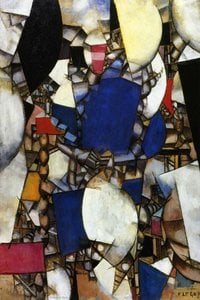
A poignant portrait of a woman concealing her face in blue and white tones by Neue Wilde master Siegfried Anzinger captures profound existential emotion, inviting you to explore this evocative contemporary masterpiece.

Siegfried Anzinger (b. 1953) is a leading Austrian 'Neue Wilde' painter known for expressive, colorful works exploring existential themes like love, pain & sexuality. Exhibited internationally, documenta 7 & Venice Biennale.

Dzieło sztuki prezentowane na tej stronie podlega ochronie prawem autorskim, co oznacza, że nie mamy prawa do tworzenia ani sprzedaży jego identycznej reprodukcji. Ochrona ta jest egzekwowana na mocy umów międzynarodowych, takich jak Konwencja berneńska oraz przez przepisy prawa krajowego, w tym te określone w Prawo autorskie USA – Tytuł 17.

Jako pełną szacunku i legalną alternatywę oferujemy personalizowane, malowane ręcznie dzieła sztuki inspirowane oryginałem. Nasi wykwalifikowani i profesjonalni artyści starannie analizują styl, nastrój oraz artystyczną esencję pierwowzoru, aby stworzyć nowe, unikalne dzieło, które przywołuje te same emocje – pozostając jednocześnie w pełni oryginalną kreacją.

Metoda ta jest w pełni zgodna z przepisami prawa autorskiego, ponieważ nie polega na kopiowaniu ani powielaniu chronionego dzieła. Stanowi ona kreatywną reinterpretację – nowy obraz, który czerpie inspirację z oryginału, ale nie jest z nim tożsamy.

Ręcznie malowana reprodukcja olejowa

Ręcznie malowany obraz olejny na płótnie, wykonany na zamówienie przez naszych artystów w wybranym przez Ciebie wymiarze i oprawie. ( Przełącz na wersję drukowaną Przełącz na wersję cyfrową)

Corner sample of the P118B picture frame: polistyren formowany, 5 cm wide and 3 cm thick
P118B 10
Corner sample of the P118H picture frame: polistyren formowany, 5 cm wide and 3 cm thick
P118H 10
Corner sample of the P118W picture frame: polistyren formowany, 5 cm wide and 3 cm thick
P118W 10
Corner sample of the P438Z picture frame: polistyren formowany, 5.5 cm wide and 3.5 cm thick
P438Z 10
Corner sample of the P508JH picture frame: polistyren formowany, 7 cm wide and 3.5 cm thick
P508JH 12
Corner sample of the P508YH picture frame: polistyren formowany, 7 cm wide and 3.5 cm thick
P508YH 12
Corner sample of the P805H picture frame: polistyren formowany, 5 cm wide and 3.5 cm thick
P805H 10
Corner sample of the P805Z picture frame: polistyren formowany, 5 cm wide and 3.5 cm thick
P805Z 10
Corner sample of the P919BZ picture frame: polistyren formowany, 7 cm wide and 3.5 cm thick
P919BZ 10
Corner sample of the P919G picture frame: polistyren formowany, 7 cm wide and 3.5 cm thick
P919G 10
Corner sample of the P919XJ picture frame: polistyren formowany, 7 cm wide and 3.5 cm thick
P919XJ 10
Corner sample of the P959ZH picture frame: polistyren formowany, 5 cm wide and 3 cm thick
P959ZH 10
Corner sample of the P968JZ picture frame: polistyren formowany, 6 cm wide and 4 cm thick
P968JZ 12
Corner sample of the W106C picture frame: lite drewno, 5 cm wide and 3 cm thick
W106C 8
Corner sample of the W218G picture frame: lite drewno, 5 cm wide and 3 cm thick
W218G 10
Corner sample of the W218JH picture frame: lite drewno, 5 cm wide and 3 cm thick
W218JH 8
Corner sample of the W218Y picture frame: lite drewno, 5 cm wide and 3 cm thick
W218Y 10
Corner sample of the W307PJ picture frame: lite drewno, 6 cm wide and 3 cm thick
W307PJ 10
Corner sample of the W316G picture frame: lite drewno, 6 cm wide and 3 cm thick
W316G 10
Corner sample of the W316PJ picture frame: lite drewno, 6 cm wide and 3 cm thick
W316PJ 8
Corner sample of the W316Y picture frame: lite drewno, 6 cm wide and 3 cm thick
W316Y 10
Corner sample of the W398PJ picture frame: lite drewno, 5 cm wide and 3 cm thick
W398PJ 8
Corner sample of the W4111J picture frame: lite drewno, 6.5 cm wide and 3.5 cm thick
W4111J 10
Corner sample of the W500HY picture frame: lite drewno, 7 cm wide and 5 cm thick
W500HY 15
Corner sample of the W500JH picture frame: lite drewno, 7 cm wide and 5 cm thick
W500JH 15
Corner sample of the W692G picture frame: lite drewno, 8 cm wide and 4 cm thick
W692G 12
Corner sample of the W849H picture frame: lite drewno, 5 cm wide and 3 cm thick
W849H 8
Corner sample of the W940BG picture frame: lite drewno, 7.5 cm wide and 4.5 cm thick
W940BG 15
Corner sample of the W953PJ picture frame: lite drewno, 6 cm wide and 3.5 cm thick
W953PJ 8

Standardowy
na zamówienie
CM
INCH

Wybierz spośród naszych standardowych rozmiarów, które zachowują oryginalne proporcje dzieła sztuki.

szerokość
wysokość

Type the width and the height you need, to fit your frame or your wall. This is hand-painted, so for a size with a different shape the artist can paint a bit more around the picture, or cut a bit — you choose. We send you a digital mockup to approve before the painting starts. The picture shown on this page does not show the real result — only the mockup does.

Przykłady możliwych zmian: Zamień twarz na zdjęcie klienta; Dodaj zwierzę domowe (np. zamień kota na psa); Ukryj wiadomość w tle; Zmień krajobraz lub elementy tła.
Po złożeniu zamówienia zespół WahooArt.com skontaktuje się z klientem drogą mailową w celu uzyskania instrukcji i prześle wizualizację projektu

Dostawa na całym świecie () w ciągu 3–4 tygodni zamiast standardowych 5 tygodni. (14 Październik). Bez kompromisów w kwestii jakości.

Bezpłatna ekspresowa wysyłka na cały świat
Wysokiej jakości płótno lniane
Pełne ubezpieczenie transportowe
Gwarancja zwrotu należności celnych i podatków importowych
Gwarancja idealnego odwzorowania barw
100-dniowy okres na zwrot dzieła w przypadku wykrycia wad produkcyjnych
Gwarancja 100% zwrotu pieniędzy
Oferta przy zakupie wielu sztuk

Cena całkowita

zł 1023

ML, sitting

Technika wykonania

Rozmiar reprodukcji

-

Suma do zapłaty

zł 1023

Kluczowe informacje

  • Dimensions: 188 x 227 cm
  • Year: 1993
  • Movement: Neue Wilde
  • Notable elements or techniques: Vibrant color, layered complexity

An Intimate Encounter with Solitude

In the evocative masterpiece ML, sitting, created in 1993, the viewer is invited into a profound moment of quiet introspection. The painting presents a portrait of a woman seated upon a chair, her form partially obscured by her own hands as they cover her face. This gesture, central to the composition, immediately establishes a sense of mystery and vulnerability. Clad in a serene blue shirt and a simple skirt, the subject rests against white cushions that offer a stark, clean contrast to the deeper tones of the piece. The background, rendered in lush, verdant greens, does more than merely provide depth; it creates an atmospheric cocoon that isolates the figure, drawing the eye inward toward her silent, internal struggle or perhaps her peaceful retreat from the world.

The work serves as a poignant window into the psyche, where the physical act of hiding one's face becomes a powerful symbol of the universal human experience. It speaks to those moments of grief, shame, or even deep meditation where the external world must be shut out to process the internal landscape. For the collector or interior designer, this piece offers a sophisticated emotional anchor, providing a focal point that encourages contemplation and stillness within a living space.

The Expressive Legacy of the Neue Wilde

To understand the technical brilliance and emotional weight of ML, sitting, one must look to the artistic lineage of its creator, Siegfried Anzinger. As a pivotal figure in the Neue Wilde movement, Anzinger brought a raw, uninhibited energy to the canvas, challenging the sterile academicism of his era with vibrant color and existential urgency. This painting, though possessing a certain stillness, carries the DNA of that movement through its intense engagement with color and form.

Anzinger’s technique is characterized by an almost obsessive layering of emotion and pigment. In this work, the interplay between the cool blues of the subject's attire and the deep, enveloping greens of the background demonstrates a masterful command over color temperature to evoke mood. The brushwork, while contributing to a cohesive scene, retains a palpable sense of life, ensuring that the painting feels less like a static image and more like a captured breath. It is this tension between the stillness of the subject and the vibrant energy of the execution that makes Anzinger’s work so enduringly captivating for modern audiences.

A Timeless Addition to the Curated Home

For those seeking to infuse their interiors with art that possesses both intellectual depth and aesthetic grace, ML, sitting stands as an exemplary choice. The large-scale presence of the work—measuring an impressive 188 x 227 cm—allows it to command a room, acting as a window into a different emotional dimension. Its palette of blues, whites, and greens is versatile enough to complement contemporary minimalist decors or more traditional, classic settings, providing a sophisticated touch of Austrian expressionism.

Owning a high-quality reproduction of such a significant work allows for the appreciation of Anzinger's complex textures and profound themes. It is an investment in atmosphere, bringing into a home a piece that does not merely decorate a wall but narrates a story of human resilience, privacy, and the beautiful complexity of the soul. Whether placed in a quiet study or a grand salon, this painting promises to spark conversation and provide a lasting source of visual and emotional inspiration.

Pytania i odpowiedzi

W jaki sposób technika i ruch łączą się w "ML, sitting"?

ML, sitting” autorstwa Siegfried Anzinger łączy technikę Painting ze stylem Neue Wilde. Technika i nurt opisują sposób wykonania oraz styl dzieła.

Jaki rozmiasto wydruku "ML, sitting" będzie odpowiedni do mojego pokoju?

W przypadku Living Room zalecany rozmiatr wydruku dzieła „ML, sitting” autorstwa Siegfried Anzinger to Large.

Jaki klimat wprowadziłaby do wnętrza reprodukcja „ML, sitting” autorstwa Siegfried Anzinger?

Dzięki swojemu Dramatic nastrojowi, "ML, sitting" idealnie sprawdzi się w Living Room.


Biografia artysty

Siegfried Anzinger: A Chronicle of Intense Color and Existential Exploration

Siegfried Anzinger, born in Weyer, Austria, on February 25, 1953, is a pivotal figure within the “Neue Wilde” movement – a group that challenged established artistic norms with its raw emotion, vibrant color palettes, and often unsettling subject matter. His work, deeply rooted in Austrian identity yet resonating globally, explores fundamental human experiences: love, pain, sexuality, loneliness, and ultimately, mortality. Anzinger’s career is characterized by an almost obsessive engagement with his chosen medium, a relentless cycle of creation and re-creation that results in paintings layered with complexity and imbued with a palpable sense of urgency.

Early Years and Artistic Formation

Anzinger's artistic journey began at the Academy of Fine Arts in Vienna (1971-1977), where he studied under Professor Maximilian Melcher. This formative period laid the groundwork for his distinctive style, though it was a conscious departure from traditional academic training. He sought to dismantle conventional approaches and forge his own path, driven by a desire to push the boundaries of painting itself. Following his time in Vienna, Anzinger relocated to Cologne in 1981, immersing himself within the burgeoning avant-garde scene of West Germany. This move proved crucial, exposing him to new influences and solidifying his position within the “Neue Wilde” collective – a group that prioritized direct emotional expression over meticulous representation.

The "Neue Wilde" Aesthetic: Color, Texture, and Raw Emotion

Central to Anzinger’s artistic identity is his association with the “Neue Wilde.” This movement, emerging in the late 1970s and early 1980s, rejected the polished surfaces and intellectualism of previous generations. Instead, it embraced a visceral approach, utilizing bold colors, broad brushstrokes, and often fragmented compositions to convey intense emotional states. Anzinger’s paintings are immediately recognizable for their saturated hues – fiery reds, deep blues, and acidic yellows – applied with a frenetic energy that suggests both urgency and exhaustion. His technique is characterized by a layering process; he repeatedly adds and subtracts paint, building up complex textures and creating an illusion of constant evolution within each work. This “non-finito” quality—a deliberate avoidance of completion—is not simply a stylistic choice but reflects the artist’s engagement with the inherent instability of human experience.

Key Exhibitions and Recognition

Anzinger's work has been consistently recognized through numerous solo and group exhibitions both nationally and internationally. A significant milestone occurred in 1988 when he participated in the Austrian Pavilion at the Venice Biennale, a testament to his growing recognition within the art world. His inclusion in documenta 7 (1982) further cemented his position as a leading contemporary artist. Throughout his career, Anzinger has exhibited at prestigious galleries and museums worldwide, including the Gemeentemuseum Den Haag and the Max Weber Gallery. In 2003, he received the Austrian State Prize for Fine Arts, acknowledging his enduring contribution to Austrian art.

Themes of Existentialism and Personal Reflection

Beneath the vibrant surface of Anzinger’s paintings lies a profound exploration of existential themes. He frequently tackles subjects such as love, pain, sexuality, loneliness, fear, and death – fundamental aspects of the human condition that he approaches with unflinching honesty. His work is not didactic; it doesn't offer easy answers or resolutions. Instead, it presents these complex emotions in a raw and immediate manner, inviting viewers to confront their own experiences of vulnerability and uncertainty. As one source notes, his paintings “deal with basic existential problems such as love, sexuality, pain, loneliness, fear and death.” His oeuvre is a testament to the enduring power of art to grapple with the most challenging aspects of our shared human experience.
  • Notable Works: Untitled (1997) – A layered oil painting exploring atmospheric hues and subtle figures.
  • Influences: John van ‘t Slot, Bacon
  • Current Status: Still actively creating and exhibiting.

For further information, please refer to the resources listed below:

Siegfried Anzinger

Siegfried Anzinger

1953 - , Austria

Najważniejsze informacje

  • Full Name: Siegfried Anzinger
  • Nationality: Austrian
  • Date Of Birth: 1953
  • Place Of Birth: Weiz, Austria
  • Notable Artworks:
    • Untitled (1997)
    • Various paintings
  • Artistic Movement Or Style: Neue Wilde
  • Artists Who Influenced This Artist: ['Maximilian Melcher']
  • Artists Or Movements Influenced By This Artist:
    • Franz Kaiser
    • John van ‘t Slot”