Shankar Nandagopal: A Pioneer of Metal Sculpture and the Madras Art Movement
Shankar Nandagopal (1946 – 14 April 2017) was an Indian sculptor and painter, recognized as a pivotal figure in the Madras Art Movement—a movement that fundamentally reshaped modern art landscapes in South India. Born in Bengaluru, Karnataka, to K. C. S. Paniker, the visionary founder of Cholamandal Artists’ Village, Nandagopal's artistic lineage instilled within him an unwavering dedication to experimentation and innovation. This formative influence profoundly shaped his career trajectory, culminating in two prestigious Lalit Kala Akademi Awards—a testament to his exceptional talent and contribution to Indian art.
Early Life and Artistic Foundations
Nandagopal’s upbringing amidst the vibrant Cholamandal Artists' Village provided him with an unparalleled environment for artistic development. His father, K. C. S. Paniker, established Cholamandal as a haven for artists seeking refuge from conventional academic pressures, fostering a spirit of collaborative creativity and challenging established artistic norms. This ethos permeated Nandagopal’s own approach to art, encouraging him to push boundaries and explore unconventional materials—particularly metal—as mediums for sculptural expression. The early exposure to Paniker's pioneering vision undoubtedly cemented Nandagopal’s commitment to forging his own distinctive artistic path.
The Madras Art Movement: Influences and Aesthetic Principles
Nandagopal’s artistic sensibilities were inextricably linked to the Madras Art Movement, which emerged in the mid-1950s as a reaction against Western formalism. Spearheaded by Paniker himself, this movement championed modernist ideals—characterized by abstraction, geometric forms, and a deliberate rejection of representational imagery—while simultaneously drawing inspiration from Indian folk traditions and Buddhist iconography. Artists within the Madras Art Movement sought to synthesize Eastern spirituality with Western artistic techniques, resulting in artworks that conveyed profound emotional depth alongside intellectual rigor. Nandagopal’s sculptures embody these core principles, utilizing metal as a canvas for exploring spatial relationships and conveying evocative narratives.
Technique and Artistic Style
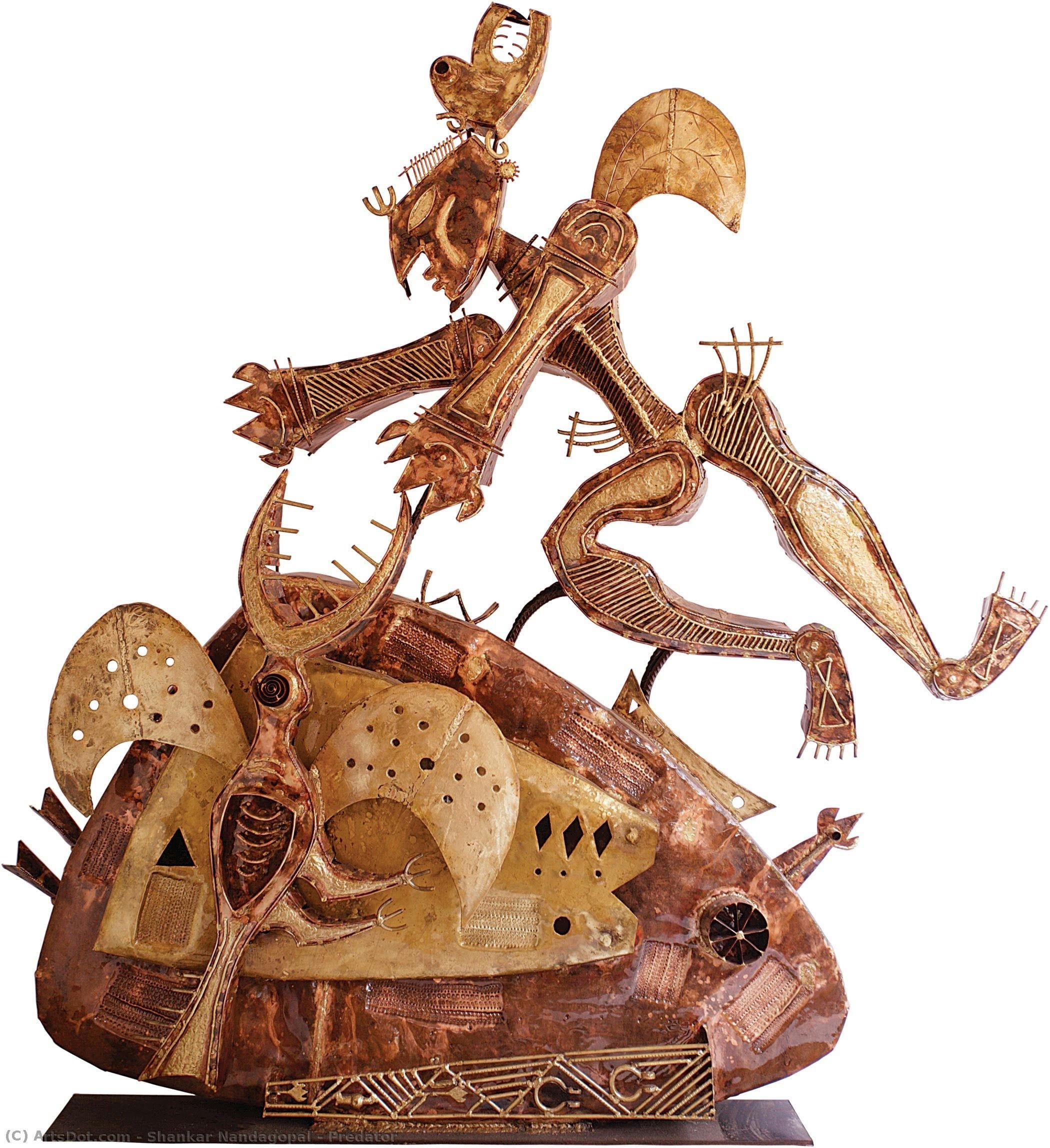
Nandagopal's mastery of metal sculpture distinguished him from many contemporaries. He skillfully manipulated steel and other metals—often incorporating intricate textures and surface treatments—to create monumental pieces that commanded attention and invited contemplation. His approach mirrored the broader aesthetic trends of the Madras Art Movement, prioritizing form and space over literal depiction. Like Paniker’s earlier paintings, Nandagopal's sculptures aimed to evoke a sense of grandeur and spiritual resonance, reflecting the movement’s ambition to elevate art beyond mere visual pleasure into a vehicle for conveying philosophical ideas. The resulting artworks are marked by their sculptural presence and textural richness—a legacy of his formative artistic experiences.
Notable Achievements and Legacy
Nandagopal received considerable acclaim throughout his career, notably earning the Jindal Stainless Steel Award for Sculpture in 2002—a recognition that underscored his unwavering dedication to pushing artistic boundaries. His sculptures have been exhibited internationally, securing a prominent place within the canon of contemporary Indian art. More importantly, Nandagopal’s work serves as an enduring symbol of the Madras Art Movement's transformative impact on South Indian visual culture. He remains remembered not merely as a sculptor but as a custodian of Paniker’s artistic vision—a figure who championed innovation and upheld the movement’s commitment to exploring the intersection of tradition and modernity.
- Lalit Kala Akademi Award (Two Recipients)
- Jindal Stainless Steel Award for Sculpture



 Zamów wydruk
 Udostępnij
 Udostępnij
 Szczegóły dzieła

 Pobierz
 Podobne obiekty
 RTG
RTG Pokaz slajdów

 Rozwiń treść





