Early Life and Florentine Beginnings
Sandro Botticelli, urodzony Alessandro di Mariano di Vanni Filipepi około 1445 roku w Florencji, we Włoszech, pojawił się w okresie niezwykłej kulturowej fermentacji – Początku Renesansu. Jego życie było głęboko zakorzenione w tkance artystycznej i społecznej miasta; nigdy nie oddalił się od swojego dzielnicy Ognissanti, co stanowiło świadectwo zarówno więzi rodzinnych, jak i tętniącego życiem ekosystemu twórczego, który go wychował. Jego ojciec, Mariano Filipepi, początkowo garbarz, a później garbarz, zapewnił mu wczesne wprowadzenie do rzemiosła i precyzyjnego detalu – cech, które głęboko wpłynęły na jego artystyczny styl. Choć początkowe raporty sugerowały szkolenie jako garbarz, szybko znalazł swoje powołanie pod kierownictwem Fra Filippo Lippi, wiodącego malarza tamtego czasu. Ta praktyka okazała się kluczowa, zanurzając go w technikach i estetyce szkoły florentyńskiej, a także łącząc go z wpływowymi patronami, takimi jak rodzina Medyceuszy.
A Style Defined by Grace and Myth
Artystyczny styl Botticelli jest natychmiast rozpoznawalny ze względu na swoją liryczną urodę, charakteryzującą się elegancką liniowością, płynnymi konturami i delikatnym użyciem kolorów. Mistrzowsko wypełnił lukę między tradycjami późnego gotyku a rozwijającym się estetyką renesansową, absorbując wpływy od mistrzów takich jak Fra Angelico i Paolo Uccello, ale jednocześnie tworząc unikalne dla niego wizje. Jego postacie posiadają eteryczną aurę, często przedstawiane z wydłużonymi proporcjami i wdzięcznymi pozami, które wyrażają zarówno spokój, jak i subtelną melancholię. Charakterystyczną cechą jego dzieł jest częste włączenie mitologii klasycznej – odzwierciedlenie humanistycznych zainteresowań rozwijających się we Florencji renesansowej. Nie po prostu ilustrował te starożytne opowieści; wzbogacał je o nowe warstwy znaczeń, eksplorując tematy miłości, piękna i duchowego tęsknoty. Jego technika była innowacyjna dla swojego czasu. Często stosował metodę rysunku węglem pod malowanie jego płótna, przyczyniając się do luminescencji i delikatnego detalu widocznego w jego ukończonych pracach. Jego użycie farb temperowych pozwalało na precyzyjne odwzorowanie i żywe kolory, a późniejsze eksperymenty z farbami olejnymi poszerzały jego możliwości ekspresji.
Iconic Masterpieces and Artistic Development
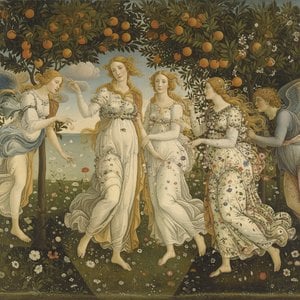
Dziedzictwo Botticelli spoczywa na kilku ikonicznych obrazach, które nadal fascynują odbiorców po wiekach. *Narodziny Wenus*, ukończone około 1486 roku, stanowi może jego najbardziej znaną pracę – alegoryczne przedstawienie bogini wychodzącej z muszli, symbolizujące ideały renesansowe piękna i harmonii. Jej elegancka kompozycja, delikatna paleta kolorów i sugestywne symbole uczyniły ją trwałym symbolem epoki. Równie znany jest *Primavera*, stworzony około 1482 roku, złożone i enigmatyczne dzieło przedstawiające wiosnę i miłość, zamieszkałe z symbolicznie przedstawionymi postaciami z mitologii klasycznej. Te prace demonstrują jego mistrzostwo kompozycji, zdolność do tworzenia atmosferycznego głębi i głębokie zrozumienie ludzkich emocji. Jego podróż artystyczna rozwinęła się w odrębne fazy. Początek lat 70. ubiegłego wieku to skupienie na tematach religijnych, doskonalenie jego umiejętności technicznych i ustanowienie reputacji mistrza wykonawstwa. Lata 80. ubiegłego wieku stanowiły szczyt jego kreatywnych sił, z tworzeniem jego najbardziej znanych obrazów mitologicznych. Jednak późne lata 90. ubiegłego wieku przyniosło przesunięcie w jego stylu, pod wpływem gorącej kaznodziei Girolamo Savonaroli – dominikanina, który potępiał to, co uważał za dekadencję i moralny rozkład Florencji. Okres ten doprowadził do powstania bardziej skromnych i emocjonalnie intensywnych dzieł, odzwierciedlających rosnącą intensywność duchową.
Major Works
- Narodziny Wenus (c. 1486): Ikoniczne przedstawienie bogini symbolizujące ideały renesansowe piękna.
- Primavera (c. 1482): Złożone dzieło alegoryczne przedstawiające wiosnę i miłość.
- Adoracja Magi (1475-1476): Demonstruje wczesne mistrzostwo kompozycji i perspektywy.
- Mistyczna Narodziny (1501): Odzwierciedla przesunięcie w kierunku tematów religijnych w jego późniejszej karierze.
Legacy and Rediscovery
Po śmierci w 1510 roku, reputacja Botticelli’ego stopniowo wygasła, zapomniany przez prawie trzy wieki, zdominowany przez osiągnięcia mistrzów renesansu wysokiego, takich jak Leonardo da Vinci i Michał Anioł. Jednakże w późnej dekadzie XIX wieku doszło do niesamowitej rewizji, dzięki powrotowi Pre-Raphaelitów – grupy angielskich artystów, którzy odrzucili konwencje akademickie i szukali inspiracji w sztuce wczesnego renesansu. Zafascynowali się unikalnym stylem Botticelli’ego, jego elegancką liniowością, żywymi kolorami i poetyckim zmysłem. Jego dzieła stały się symbolem epoki. Ten odnowiony szacunek doprowadził do ponownej oceny jego twórczości, ugruntowując go jako jednego z najważniejszych artystów Początku Renesansu. Dzisiaj Botticelli jest celebrowany za swoją unikalną wizję artystyczną, mistrzowski wykonawstwo i trwałą zdolność wywoływania piękna, emocji i duchowego kontemplowania. Jego wpływ widoczny jest w pracach kolejnych pokoleń artystów, którzy dążyli do uchwycenia tego samego poczucia elegancji i wdzięku w swoich własnych dziełach. On pozostaje symbolem florentyńskiego osiągnięcia artystycznego i świadectwem siły renesansowego humanizmu.



 Zobacz w skali 1:1
 Kup ręcznie malowany obraz
 Wyślij
 Udostępnij
 Szczegóły
 Przewodnik

 Pobierz plik obrazu
 Podobne obiekty
 RTG
RTG Pokaz slajdów
 Statystyki

 Czytaj więcej






































 Opcja ze szkłem jest dostępna wyłącznie w rozmiarach poniżej 110 cm