

Dzieło sztuki prezentowane na tej stronie podlega ochronie prawem autorskim, co oznacza, że nie mamy prawa do tworzenia ani sprzedaży jego identycznej reprodukcji. Ochrona ta jest egzekwowana na mocy umów międzynarodowych, takich jak Konwencja berneńska oraz przez przepisy prawa krajowego, w tym te określone w Prawo autorskie USA – Tytuł 17.
Metoda ta jest w pełni zgodna z przepisami prawa autorskiego, ponieważ nie polega na kopiowaniu ani powielaniu chronionego dzieła. Stanowi ona kreatywną reinterpretację – nowy obraz, który czerpie inspirację z oryginału, ale nie jest z nim tożsamy.
Wydruki giclée lub płótna o jakości muzealnej, szybka realizacja i szeroki wybór opcji wykończenia. ( Zamów ręcznie malowaną reprodukcję Przejdź do wersji cyfrowej)
Wybierz spośród naszych standardowych rozmiarów, które zachowują oryginalne proporcje dzieła sztuki.

Wpisz wymaganą szerokość i wysokość, aby dopasować grafikę do ramy lub ściany. Wydruk można jedynie przyciąć, nigdy nie powiększając go poza oryginalny obraz, dlatego format o innych proporcjach spowoduje utratę części kompozycji. Przed rozpoczęciem druku prześlemy Ci cyfrowy podgląd do zatwierdzenia. Obraz wyświetlany na tej stronie nie pokazuje rzeczywistego przycięcia — jedynie podgląd oddaje ten efekt.
Dostawa na cały świat () w ciągu 2 tygodni zamiast standardowych 4/5 tygodni. (12 Listopad)
Prototype for a laced shoe
Wymiary reprodukcji
Prototype for a laced shoe is a prototype created by Salvatore Ferragamo in 1938. This work originated in Florence, Italy, during a period of significant artistic and cultural transition. It represents an early conceptual stage in the designer's development of footwear design.
The piece, titled Prototype for a laced shoe, was produced by Salvatore Ferragamo as a study of form and color. It exists as a physical model intended to explore the intersection of functional footwear and avant-garde aesthetic principles. This specific iteration highlights the designer's move toward experimental silhouettes and unconventional material pairings.
The composition focuses on a single brown shoe, presented as a conceptual model. A wooden heel provides a structural foundation, creating a stark material contrast against the softer elements of the design. The silhouette is defined by streamlined lines that prioritize form over ornamentation.
A colorful sock is positioned within the shoe, featuring a rainbow pattern. This element introduces a spectrum of hues that interrupts the muted brown tones of the leather. The juxtaposition of the multicolored fabric against the solid, dark surface of the shoe creates a deliberate visual tension. The arrangement emphasizes a departure from traditional footwear aesthetics through this use of unexpected color and material pairing.
The construction of this prototype utilizes felt decorated with cotton stripes. This choice of medium emphasizes the conceptual nature of the object, prioritizing form and color over traditional leatherwork. The fabric sock features a rainbow pattern, providing a sharp chromatic contrast to the muted tones of the shoe's body.
The piece measures 22 cm in height. The heel, which provides a structural counterpoint to the soft fabric elements, reaches a height of 7 cm. These dimensions reflect the experimental approach taken during the design process in Florence, Italy.
This prototype is held within the Salvatore Ferragamo Museum in Florence, Italy. Also known as the Museo Salvatore Ferragamo or the Ferragamo Museum, the institution was established in 1995. It functions as a repository for the designer's extensive creative output, housing a collection that contains over 10,000 models.
The museum is situated in a setting that reflects the historical significance of the region's craftsmanship. By preserving such diverse prototypes, the collection provides a record of technical experimentation and the evolution of footwear design from the early 20th century through the mid-century period.
The artist's experimental approach to footwear is evident in several other designs from the early to mid-twentieth century. In 1935, he produced the Prototype for a court shoe. This was followed by the 1938 Rainbow wedge sandal, a piece that shares the same era of innovation as the laced shoe prototype. These works reflect a period of intense technical development and material experimentation.
Earlier explorations in form can be seen in the Prototipo di décolleté from 1929. Later, around 1940, the artist produced Evening Shoes. These various models demonstrate a consistent focus on the intersection of sculptural design and functional anatomy throughout his career.
„Prototype for a laced shoe” – Salvatore Ferragamo można pobrać ze strony Pobierz plik cyfrowy dzieła jako wysokiej rozdzielczości cyfrowe zdjęcie do pobrania.
Paleta dzieła "Prototype for a laced shoe" charakteryzuje się Muted nasyceniem kolorów.
Dzieło „Prototype for a laced shoe” – Salvatore Ferragamo, znajdujące się w zbiorach Muzeum Salvatore Ferragamo, znajduje się w nadal objęte ochroną prawa autorskiego. Status ten określa, czy możliwe jest tworzenie reprodukcji obrazu.


1898 - 1960 , Włochy

Discover the unparalleled elegance of Art Deco through the lens of Erté. Explore a masterclass in linear precision, theatrical costume design, and high-fashion illustration that continues to define modern luxury and sophisticated interior aesthetics.

Embark on a visual journey through the evolution of fashion photography. Discover how masters like Gianfranco Ferré blended geometry, surrealism, and texture to redefine high-fashion art for collectors and connoisseurs of luxury imagery.

Explore the profound beauty of the Italian Renaissance. From Raphael's divine frescoes to Michelangelo's anatomical mastery, discover how this era of classical grandeur and humanistic ideals continues to inspire the world's most sophisticated art collectors and designers.
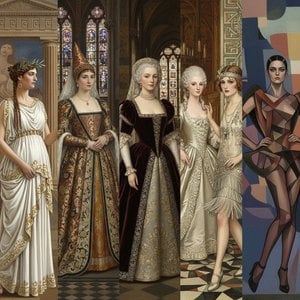
Explore the breathtaking intersection of fine art and high fashion. Discover how iconic masterpieces from Art Deco to Impressionism have shaped the world of luxury couture and timeless design in this curated visual journey.

Discover the exquisite world of fashion illustration art. From Art Deco elegance to bespoke oil reproductions, explore how timeless sartorial beauty transforms luxury interiors through masterfully crafted canvas works and curated historical masterpieces.
 Wyślij jako kartkę
 Udostępnij
 Szczegóły dzieła
 Przewodnik

 Pobierz obraz
 Podobne obiekty
 Pokaz slajdów
 Pytania i odpowiedzi
 Statystyki


 Rozwiń treść






































 Opcja ze szkłem jest dostępna wyłącznie w rozmiarach poniżej 110 cm


