Zobacz w skali 1:1 Zobacz w AR Kup ręcznie malowany obraz Przełącz na wersję cyfrową Wyślij
Szczegóły Przewodnik Dodaj do ulubionych Pobierz plik obrazu Podobne obiekty RTG Pokaz slajdów Statystyki

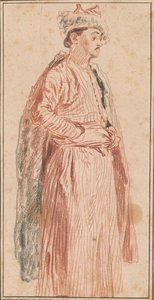
Standing Warror with Shield

Experience Baroque power with Salvator Rosa's Standing Warrior etching; feel the dramatic tension of 17th-century defiance and artistry to bring this masterpiece home.

Salvator Rosa – włoski malarz barokowy znany z dramatycznych krajobrazów i scen batalistycznych. Jego twórczość inspirowana naturalizmem Ribery i klasycizmem Poussina, wywarła wpływ na rozwój sztuki i literaturę.

Giclée / Wydruk artystyczny

Wydruki giclée lub płótna o jakości muzealnej, szybka realizacja i szeroki wybór opcji wykończenia. ( Kup ręcznie malowany obraz Przełącz na wersję cyfrową)

Corner sample of the P118B picture frame: polistyren formowany, 5 cm wide and 3 cm thick
P118B zł10
Corner sample of the P118H picture frame: polistyren formowany, 5 cm wide and 3 cm thick
P118H zł10
Corner sample of the P118W picture frame: polistyren formowany, 5 cm wide and 3 cm thick
P118W zł10
Corner sample of the P438Z picture frame: polistyren formowany, 5.5 cm wide and 3.5 cm thick
P438Z zł10
Corner sample of the P508JH picture frame: polistyren formowany, 7 cm wide and 3.5 cm thick
P508JH zł12
Corner sample of the P508YH picture frame: polistyren formowany, 7 cm wide and 3.5 cm thick
P508YH zł12
Corner sample of the P805H picture frame: polistyren formowany, 5 cm wide and 3.5 cm thick
P805H zł10
Corner sample of the P805Z picture frame: polistyren formowany, 5 cm wide and 3.5 cm thick
P805Z zł10
Corner sample of the P919BZ picture frame: polistyren formowany, 7 cm wide and 3.5 cm thick
P919BZ zł10
Corner sample of the P919G picture frame: polistyren formowany, 7 cm wide and 3.5 cm thick
P919G zł10
Corner sample of the P919XJ picture frame: polistyren formowany, 7 cm wide and 3.5 cm thick
P919XJ zł10
Corner sample of the P959ZH picture frame: polistyren formowany, 5 cm wide and 3 cm thick
P959ZH zł10
Corner sample of the P968JZ picture frame: polistyren formowany, 6 cm wide and 4 cm thick
P968JZ zł12
Corner sample of the W106C picture frame: lite drewno, 5 cm wide and 3 cm thick
W106C zł8
Corner sample of the W218G picture frame: lite drewno, 5 cm wide and 3 cm thick
W218G zł10
Corner sample of the W218JH picture frame: lite drewno, 5 cm wide and 3 cm thick
W218JH zł8
Corner sample of the W218Y picture frame: lite drewno, 5 cm wide and 3 cm thick
W218Y zł10
Corner sample of the W307PJ picture frame: lite drewno, 6 cm wide and 3 cm thick
W307PJ zł10
Corner sample of the W316G picture frame: lite drewno, 6 cm wide and 3 cm thick
W316G zł10
Corner sample of the W316PJ picture frame: lite drewno, 6 cm wide and 3 cm thick
W316PJ zł8
Corner sample of the W316Y picture frame: lite drewno, 6 cm wide and 3 cm thick
W316Y zł10
Corner sample of the W398PJ picture frame: lite drewno, 5 cm wide and 3 cm thick
W398PJ zł8
Corner sample of the W4111J picture frame: lite drewno, 6.5 cm wide and 3.5 cm thick
W4111J zł10
Corner sample of the W500HY picture frame: lite drewno, 7 cm wide and 5 cm thick
W500HY zł15
Corner sample of the W500JH picture frame: lite drewno, 7 cm wide and 5 cm thick
W500JH zł15
Corner sample of the W692G picture frame: lite drewno, 8 cm wide and 4 cm thick
W692G zł12
Corner sample of the W849H picture frame: lite drewno, 5 cm wide and 3 cm thick
W849H zł8
Corner sample of the W940BG picture frame: lite drewno, 7.5 cm wide and 4.5 cm thick
W940BG zł15
Corner sample of the W953PJ picture frame: lite drewno, 6 cm wide and 3.5 cm thick
W953PJ zł8

Standardowy
na zamówienie
CM
INCH

Wybierz spośród naszych standardowych rozmiarów, które zachowują oryginalne proporcje dzieła sztuki.

szerokość
wysokość

Wpisz wymaganą szerokość i wysokość, aby dopasować grafikę do ramy lub ściany. Wydruk można jedynie przyciąć, nigdy nie powiększając go poza oryginalny obraz, dlatego format o innym proporcji spowoduje utratę części kompozycji. Przed rozpoczęciem druku prześlemy Ci cyfrowy podgląd do zatwierdzenia. Obraz wyświetlany na tej stronie nie pokazuje rzeczywistego przycięcia — jedynie podgląd oddaje ten efekt.

Dostawa na cały świat () w ciągu 2 tygodni zamiast standardowych 4/5 tygodni. (25 Październik)

Bezpłatna ekspresowa wysyłka na cały świat
Wysokiej jakości płótno lniane
Pełne ubezpieczenie transportowe
Gwarancja zwrotu należności celnych i podatków importowych
Gwarancja idealnego odwzorowania barw
100-dniowy okres na zwrot dzieła w przypadku wykrycia wad produkcyjnych
Gwarancja 100% zwrotu pieniędzy
Oferta przy zakupie wielu sztuk

Cena całkowita

zł 261

Standing Warror with Shield

Giclée / Wydruk artystyczny

Rozmiar reprodukcji

-

Suma do zapłaty

zł 261

Kluczowe informacje

  • Medium: Etching on ivory laid paper
  • Artist: Salvator Rosa
  • Year: 1657
  • Movement: Baroque
  • Influences: Ribera
  • Location: The Metropolitan Museum of Art

Quiz wiedzy o sztuce

Do każdego pytania dotyczy tylko jedna poprawna odpowiedź.

Pytanie 1:
What artistic movement is Salvator Rosa’s ‘Standing Warrior with Shield’ associated with?
Pytanie 2:
The image depicts a warrior in what type of armor?
Pytanie 3:
What is the primary technique used by Rosa to create depth and texture in the artwork?
Pytanie 4:
Rosa’s depiction of nature emphasizes what characteristic?
Pytanie 5:
Why was Rosa considered a rebellious figure in his time?

Salvator Rosa’s Standing Warrior with Shield: A Vision of Baroque Power

Salvator Rosa’s “Standing Warrior with Shield,” completed around 1657, isn't merely a depiction of military prowess; it’s a masterful distillation of the Baroque aesthetic—a visual manifesto reflecting the turbulent spirit of its time and embodying profound philosophical contemplation. Executed in etching on ivory laid paper, this artwork transcends simple representation, inviting viewers into a dramatic tableau that speaks volumes about courage, resilience, and humanity's confrontation with formidable forces.

  • Subject Matter: The central figure portrays a warrior poised for action, clad in classical armor—a breastplate and greaves—suggesting both historical grandeur and mythological allusion. His raised arm signifies defiance and readiness, while his gaze directs attention inward, hinting at an internal struggle mirroring the broader anxieties of the era concerning faith and morality.
  • Style & Technique: Rosa’s signature style is characterized by a meticulous attention to detail—particularly in capturing the textures of armor and shield—achieved through masterful shading and fine lines. The etching process itself lends an ethereal quality to the image, emphasizing light and shadow as instruments of expressive power. Unlike the polished surfaces favored by earlier Renaissance artists, Rosa deliberately embraced darkness and roughness, mirroring the Baroque preoccupation with sublime landscapes and conveying a sense of unease.
  • Historical Context: Created during the reign of Louis XIV—the zenith of French absolutism—the artwork reflects the prevailing intellectual currents of the period. Philosophers like Descartes wrestled with questions of certainty and reason amidst religious upheaval, mirroring the warrior’s internal gaze. Rosa's work aligns with a broader artistic trend toward portraying heroic figures grappling with existential dilemmas.
  • Symbolism: The shield itself is laden with symbolic significance—representing protection against external threats but also embodying inner fortitude. Its intricate designs could hark back to heraldry, signifying lineage and authority, yet simultaneously convey a deeper message about confronting adversity with unwavering resolve. Rosa’s use of dark hues amplifies this symbolism, emphasizing the warrior's vulnerability beneath a veneer of strength.
  • Emotional Impact: “Standing Warrior with Shield” evokes a palpable sense of drama—a confrontation between man and nature, between courage and fear. The artist’s deliberate manipulation of light and shadow creates an atmosphere of tension and anticipation, inviting viewers to contemplate the complexities of human experience. It's a piece that lingers in the mind long after viewing, prompting reflection on themes of heroism, vulnerability, and the enduring quest for meaning.

This artwork exemplifies Rosa’s ability to synthesize artistic skill with philosophical inquiry—a testament to his enduring legacy as one of the Baroque’s most visionary figures. Its haunting beauty and profound symbolism continue to inspire admiration and intrigue, securing its place as a cornerstone of European art history.

Pytania i odpowiedzi

Jaką intensywność kolorów ma „Standing Warror with Shield” autorstwa Salvator Rosa?

Kolory w „Standing Warror with Shield” autorstwa Salvator Rosa mają Monochromatic intensywność.

Jaki jest zalecany sposób druku dla "Standing Warror with Shield" – jaki rozmiar i jaka orientacja?

W przypadku "Standing Warror with Shield" zalecanym formatem wydruku jest rozmiar Medium oraz orientacja Portrait.

W którym roku i w ramach jakiego nurtu powstało dzieło "Standing Warror with Shield"?

"Standing Warror with Shield" powstało w 1657 roku jako dzieło należące do nurtu Baroque. Data oraz przynależność do tego kierunku osadzają dzieło w historii sztuki.


Biografia artysty

Salvator Rosa (1615 – 1673)

Salvator Rosa, an italian baroque painter, poet, and printmaker, was born in arenella, naples, on either june 20 or july 21, 1615. his mother, giulia greca rosa, was a member of one of the greek families of sicily. despite his father's wishes for him to become a lawyer or priest, salvator showed a preference for the arts from an early age.

early life and training

Salvator Rosa’s artistic career began in naples, where he received his formative training under the tutelage of Francesco Fracanzano and Aniello Falcone. This exposure to established artistic traditions instilled in him a deep understanding of classical techniques and paved the way for his distinctive style—a style that would soon differentiate him from his contemporaries. Rosa’s inclination towards art wasn't merely academic; it was fueled by an innate passion for observation and expression, qualities that would characterize his entire oeuvre.

artistic career

Rosa’s artistic output spanned across naples, rome, and florence, reflecting the dynamism of baroque culture and showcasing his versatility as a painter, poet, and printmaker. He rejected stylistic conventions prevalent at the time, prioritizing originality and emotional intensity above adherence to established norms. His landscapes—particularly those depicting “sublime” nature—became synonymous with the baroque aesthetic, anticipating the romantic movement’s fascination with untamed wilderness. Unlike the idealized vistas championed by Claude Lorrain, Rosa's canvases captured the raw power of storms, mountains, and desolate terrains, conveying a profound sense of awe and terror. Notable among his masterpieces are Pythagoras Emerging From The Underworld (kimbell art museum, fort worth, united states), which brilliantly blends philosophical contemplation with dramatic visual storytelling, and The Baptism Of The Eunuch (chrysler museum of art, norfolk, united states)—a poignant depiction of biblical narrative imbued with theatrical grandeur. Rosa’s prints further solidified his reputation as a master of engraving and demonstrated his ability to convey complex ideas through meticulously crafted images.

influences and legacy

Rosa's artistic vision was profoundly shaped by the naturalism of José de Ribera and the classicism of poussin, yet he resolutely resisted categorization within any single movement. He championed an uncompromising stance against stylistic constraints, prioritizing emotional truthfulness and intellectual depth. His work exerted considerable influence on subsequent generations of artists—particularly those embracing the romantic aesthetic—establishing him as a pivotal figure in baroque art history. Artists like Luca Giordano continued to explore innovative visual languages inspired by Rosa’s pioneering approach. Furthermore, Rosa's poetic output—characterized by satirical wit and rebellious fervor—reflected his broader engagement with intellectual currents of his time.

important links

kimbell art museum, chrysler museum of art (museum names)

Salvator Rosa

Salvator Rosa

1615 - 1673 , Włochy

Najważniejsze informacje

  • Artistic Movement Or Style: Barok
  • Artists Or Movements Influenced By This Artist: ['Romanticizm']
  • Artists Who Influenced This Artist: ['José de Ribera']
  • Date Of Birth: June 20 lub lipca 21, 1615
  • Full Name: Salvator Rosa
  • Nationality: Włoski
  • Notable Artworks:
    • Widok Zatoki Salerno
    • Studium dla "Il Genio di Rosa"
    • Grota z wodospadem
  • Place Of Birth: Arenella, Sycylia
Odkryj dzieła sztuki uporządkowane według tematów, stylów i cech charakterystycznych.