DARMOWA KONSULTACJA ARTYSTYCZNA

x
Zamów wydruk Zamów wydrukZamów reprodukcję Zamów reprodukcję UdostępnijUdostępnij
SzczegółySzczegóły Dodaj do ulubionych Dodaj do ulubionych PobierzPobierz Podobne obiektyPodobne obiekty RTGRTG Pokaz slajdówPokaz slajdów

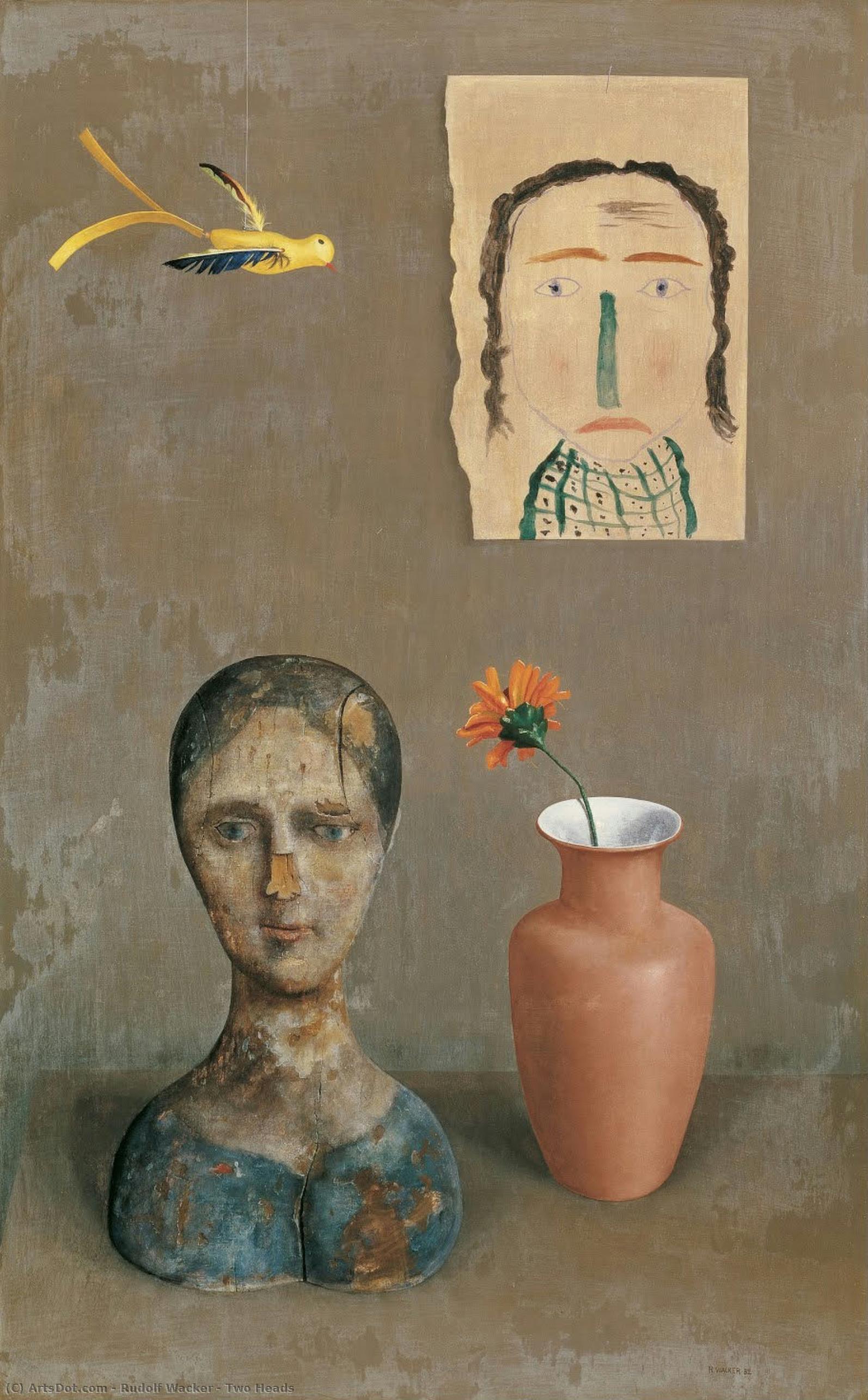
Two Heads

Discover "Two Heads" by Rudolf Wacker (1932). A hauntingly beautiful painting of two heads in a room. Explore this unique artwork & its historical context.

Discover Rudolf Wacker (1893-1939), an Austrian Expressionist painter known for intense color & emotional figures. Explore his 'Two Heads' & influence of Van Gogh & Munch.

Kup wysokiej rozdzielczości, ulepszony obraz cyfrowy, znacznie lepszy niż podgląd online.

Każdy plik jest starannie przygotowywany przez naszych specjalistów przy użyciu zaawansowanych narzędzi oraz profesjonalnej, ręcznej retuszy. Dbamy o to, aby każdy obraz cechował się wyjątkową ostrością, precyzyjnym odwzorowaniem kolorów i subtelnymi detalami.

Ostateczny plik dostarczany jest drogą mailową w ciągu 72 godzin, zoptymalizowany do natychmiastowego wykorzystania w profesjonalnych zastosowaniach redakcyjnych i poligraficznych. To ta sama jakość, której ufają czołowe studia projektowe, wydawnictwa oraz galerie sztuki.

Obraz cyfrowy

Pobierz plik o wysokiej rozdzielczości do osobistego wyświetlania, druku oraz projektów kreatywnych.

Suma do zapłaty

$9.99

Zawarte w każdym zamówieniu na obraz cyfrowy

Profesjonalna dostawa cyfrowa, gwarantowana

Wybierając WahooArt.com, nie otrzymujesz jedynie obrazu – otrzymujesz profesjonalnie udoskonalone cyfrowe dzieło sztuki, stworzone z najwyższą precyzją i objęte gwarancją satysfakcji. Oto wszystko, co automatycznie dołączane jest do Twojego zamówienia:

shipping_icon
Błyskawiczna wysyłka e-mailowa

Plik z obrazem cyfrowym w wysokiej rozdzielczości zostanie przesłany na Twój adres e-mail w ciągu 72 godzin od złożenia zamówienia – gotowy do natychmiastowego użycia.

canvas_icon
Plik cyfrowy wzbogacony przez AI

Twoja grafika została profesjonalnie zoptymalizowana przy użyciu zaawansowanych narzędzi AI oraz ręcznej edycji, co zapewnia maksymalną szczegółowość, klarowność i wierność kolorów.

insurance_icon
Dożywotnia darmowa ponowna dostawa

Przypadkowo usunąłeś lub zgubiłeś swój plik? Bez obaw – prześlemy go Tobie ponownie w dowolnym momencie, bez żadnych opłat.

tax_icon
Bez opłat importowych – zawsze

Ciesz się swoją sztuką natychmiast, bez żadnych opłat celnych, należności ani kosztów dostawy – pliki cyfrowe są zawsze wolne od podatku.

color_icon
Gwarancja wierności kolorów

Dzięki zastosowaniu profesjonalnych narzędzi i procesów zarządzania barwą zapewniamy, że Twoje cyfrowe zdjęcie odzwierciedla oryginalne kolory tak wiernie, jak to tylko możliwe.

return_icon
60-dniowa gwarancja satysfakcji

Jeśli nie będziesz zadowolony ze swojego cyfrowego obrazu, poprawimy go lub zwrócimy 100% kosztów w ciągu 60 dni – bez żadnych pytań.

guarantee_icon
100% Gwarancja zwrotu pieniędzy

Nie zadowoleni? Otrzymaj pełny zwrot kosztów w ciągu 60 dni od otrzymania pliku cyfrowego – bez zbędnych pytań.

discount_icon
Rabaty na zamówienia hurtowe

Kup 3 obrazy, oszczędź 10% - Kup 5, oszczędź 15% - Kup 10+, oszczędź 20%. Idealne do projektów kreatywnych, galerii i agencji.


Biografia artysty

A Life Immersed in Color and Tension: The World of Rudolf Wacker

Rudolf Wacker, born in Bregenz, Austria in 1893, was an artist whose relatively short life was deeply etched by the tumultuous currents of the early 20th century. Though he died prematurely in 1939, his legacy as a pivotal figure within Austrian Expressionism and a precursor to Magical Realism endures. Wacker’s artistic journey wasn't one of immediate acclaim but rather a gradual unfolding shaped by personal hardship, political awareness, and an unwavering commitment to capturing the emotional weight of his time. His early life was supported by parents who recognized and nurtured his talent, allowing him to pursue studies at the College of Industrial Drawing in Bregenz before venturing towards Vienna and later Weimar—centers of artistic ferment. However, initial rejection from the Academy of Fine Art didn’t deter him; instead, it propelled him toward alternative avenues of learning and self-discovery.

From Expressionist Roots to a Unique Vision

The years surrounding World War I proved formative for Wacker. His experiences as a soldier, including nearly five years spent in Siberian prison camps, left an indelible mark on his psyche and subsequently, his art. These harrowing events fueled a deeply personal artistic language that initially drew from the intensity of Expressionism but soon began to diverge toward something uniquely his own. After the war, Wacker gravitated towards Berlin’s vibrant avant-garde scene, dividing his time between the city's creative energy and the quieter landscapes of Vorarlberg. It was during this period he married Ilse Moebius, who became a frequent subject in his paintings. While initially exploring Expressionist themes, Wacker gradually developed a style characterized by precise draftsmanship, bold color palettes, and an unsettling emotional depth—qualities that would later be associated with the *Neue Sachlichkeit* (New Objectivity) movement. However, to categorize him solely within this framework feels limiting; his work transcends simple labels, hinting at a burgeoning “Magischer Realismus” – a magical or phantastic realism that sought to reveal hidden psychological truths beneath the surface of everyday life.

Navigating Artistic and Political Landscapes

The 1920s saw Wacker actively engage with the artistic community, co-founding “Der Kreis” (The Circle) in an attempt to foster collaboration among artists in the Lake Constance region. Despite securing his first museum sale in 1928, financial struggles remained a constant companion. He was a voracious reader of contemporary art and deeply critical of Austrian painting, preferring instead to focus on German artistic developments. His fascination with Old Masters, particularly those from the 17th century, also informed his meticulous technique and symbolic use of imagery. As the political climate darkened in the 1930s, Wacker’s work took on a more overtly critical tone. Unlike many of his contemporaries, he openly challenged the rising tide of Nazism through his art and writings, participating in peace rallies and advocating for resistance—actions that brought him under scrutiny from authorities. This period was marked by increasing financial hardship and limited recognition despite several exhibitions in Vienna.

Legacy and Enduring Influence

Rudolf Wacker’s most celebrated works include ‘Two Heads’ (1932) and ‘Self-Portrait with a Palette’ (1935), paintings that exemplify his distinctive style—a potent blend of psychological insight, technical mastery, and emotional intensity. His influence can be seen in the work of later artists who explored similar themes of alienation, anxiety, and the fragility of human existence. Though he didn't achieve widespread fame during his lifetime, Wacker’s art has gained increasing recognition in recent decades, with exhibitions at prestigious institutions such as the Kunsthaus Zürich, the Neue Galerie in New York, and the Belvedere in Vienna. His paintings are now held in prominent collections including those of the Museum of Modern Art in New York and the Tate Gallery in London—testaments to his enduring artistic significance. Wacker’s ability to capture the anxieties and complexities of a rapidly changing world continues to resonate with audiences today, solidifying his place as a vital voice within 20th-century art history. His work serves as a poignant reminder of the power of art to confront difficult truths and bear witness to the human condition.
rudolf wacker

rudolf wacker

1893 - 1939 , Austria

Krótka nota

  • Artistic Movement Or Style: Expressionism
  • Artists Or Movements Influenced By This Artist: ['Vienna Secession']
  • Artists Who Influenced This Artist:
    • Van Gogh
    • Edvard Munch
  • Date Of Birth: 1893
  • Date Of Death: 1939
  • Full Name: Rudolf Wacker
  • Nationality: Austrian
  • Notable Artworks:
    • Two Heads
    • Self-Portrait with Palette
  • Place Of Birth: Bregenz, Austria