


Otrzymaj plik gotowy do druku, którego jakość znacznie przewyższa podgląd internetowy. Każdy sprzedawany przez nas obraz cyfrowy pochodzi z wysokorozdzielczego pliku wzorcowego w naszej bazie — zazwyczaj o szerokości od 5 000 do 15 000 pikseli — dzięki czemu możesz drukować w dużym formacie, mocno kadrować lub z pełnym przekonaniem odwzorowywać najdrobniejsze detale.
Żaden plik nie opuszcza naszego studia bez odpowiedniej obróbki. Ekspert ds. cyfrowej edycji sprawdza zgodność kolorów z oryginałem i w razie potrzeby je koryguje, a następnie za pomocą profesjonalnych narzędzi do retuszu poprawia ostrość oraz szczegółowość — zawsze zachowując wierność pociągnięciom pędzla i stylowi artysty. Rezultatem jest obraz, który wygląda jak prawdziwe dzieło, a nie jak przefiltrowany skan.
Zatwierdzasz przed finalizacją zamówienia: nasz ekspert prześle obraz drogą mailową w ciągu 72 godzin do Twojego wglądu. Nie jesteś zadowolony? Poproś o poprawki lub korektę, bądź o zwrot kosztów, jeśli jakość nie spełnia oczekiwań.
To jakość, na której polegają wydawcy, studia projektowe, galerie oraz drukarnie.
Pobierz plik o wysokiej rozdzielczości do osobistego użytku, druku oraz projektów kreatywnych. ( Przełącz na wydania drukowane Zamów ręcznie malowaną reprodukcję)
Wybierając WahooArt.com, nie otrzymujesz jedynie obrazu – otrzymujesz profesjonalnie udoskonalone cyfrowe dzieło sztuki, stworzone z najwyższą precyzją i objęte gwarancją satysfakcji. Oto wszystko, co automatycznie dołączane jest do Twojego zamówienia:
Plik z obrazem cyfrowym w wysokiej rozdzielczości zostanie przesłany na Twój adres e-mail w ciągu 72 godzin od złożenia zamówienia – gotowy do natychmiastowego użycia.
Twoja grafika została profesjonalnie zoptymalizowana przy użyciu zaawansowanych narzędzi AI oraz ręcznej edycji, co zapewnia maksymalną szczegółowość, klarowność i wierność kolorów.
Przypadkowo usunąłeś lub zgubiłeś swój plik? Bez obaw – prześlemy go Tobie ponownie w dowolnym momencie, bez żadnych opłat.
Ciesz się swoją sztuką natychmiast, bez żadnych opłat celnych, należności ani kosztów dostawy – pliki cyfrowe są zawsze wolne od podatku.
Dzięki zastosowaniu profesjonalnych narzędzi i procesów zarządzania barwą zapewniamy, że Twoje cyfrowe zdjęcie odzwierciedla oryginalne kolory tak wiernie, jak to tylko możliwe.
Jeśli nie będziesz zadowolony ze swojego cyfrowego obrazu, dokonamy jego poprawki lub zwrócimy 100% kosztów w ciągu 100 dni – bez zbędnych pytań.
Nie jesteś zadowolony? Otrzymaj pełny zwrot kosztów w ciągu 100 dni od otrzymania pliku cyfrowego – bez zbędnych pytań.
Kup 3 obrazy, oszczędź 10% - Kup 5, oszczędź 15% - Kup 10+, oszczędź 20%. Idealne do projektów kreatywnych, galerii i agencji.
Peter Paul Rubens’ “St. Augustine,” painted in 1638, isn't merely a depiction of a revered theologian; it’s an immersive experience of faith and spiritual power. This masterpiece, currently residing in Prague, transcends the boundaries of simple portraiture, offering a profound glimpse into the heart of Baroque artistry – a style defined by dramatic contrasts, intense emotion, and a fervent belief in the divine. The painting immediately captivates with its monumental scale and vibrant palette, dominated by rich golds, deep reds, and earthy browns that seem to radiate an inner light. Rubens masterfully employs chiaroscuro, sculpting the figures with stark shadows and luminous highlights, creating a palpable sense of depth and volume – a technique borrowed from Caravaggio but elevated to a level of unparalleled grandeur.
At the painting’s core stands St. Augustine himself, portrayed not as a somber ascetic, but as a figure imbued with authority and serenity. His elaborate vestments, meticulously rendered in shimmering fabrics, speak volumes about his sacred role. Yet, it's the surrounding figures that truly amplify the work’s spiritual resonance. The two cherubic attendants – one hovering above with a symbolic staff, the other kneeling in humble reverence – represent divine protection and guidance, creating a visual hierarchy that underscores Augustine’s position as a conduit between the earthly and the celestial realms. The slightly off-center composition adds a dynamic tension to the scene, preventing it from feeling static or overly formal, mirroring the turbulent spiritual journey of the saint himself.
To fully appreciate “St. Augustine,” one must understand its historical context. Painted during a period of intense religious and political upheaval in Belgium – a time when the Catholic Church was actively seeking to reaffirm its authority amidst growing Protestant challenges – the painting embodies the fervor of the Counter-Reformation. Rubens, deeply influenced by his travels through Italy and his study of classical art alongside the works of Leonardo da Vinci, skillfully blended Renaissance ideals with Christian iconography. The composition echoes themes prevalent in religious art of the era: the importance of faith, the power of divine intervention, and the promise of salvation. The painting was originally commissioned for the high altar of the St Thomas Church of the Augustinian Order, a testament to its intended role as a focal point of worship.
Rubens’ artistic choices are laden with symbolic meaning. The cherubic figures aren't simply decorative; they represent innocence and divine grace, acting as intermediaries between St. Augustine and the celestial realm. The staff held by the hovering child is particularly significant – often interpreted as a symbol of spiritual authority or guidance, perhaps even representing Christ himself. The seashell offered to the infant Jesus by St. Nicholas (Santa Claus) – a detail subtly integrated into the composition – alludes to the sea and, more profoundly, to the gift of salvation. The entire scene is designed to evoke a sense of awe and reverence, inviting viewers to contemplate the mysteries of faith and the enduring power of divine grace.
Beyond its symbolic richness, “St. Augustine” stands as a testament to Rubens’ unparalleled technical skill. His mastery of oil painting is evident in every brushstroke – from the meticulous rendering of textures in the vestments (the intricate folds and shimmering fabrics are brought to life with astonishing detail) to the luminous quality of the skin tones. The dynamic use of color, combined with his innovative approach to chiaroscuro, creates a sense of movement and drama that draws the viewer into the scene. The layering of paint – a hallmark of Rubens’ technique – adds depth and complexity, creating an image that feels both monumental and intensely personal. This painting is not just a representation; it's a vibrant, breathing testament to the genius of Sir Peter Paul Rubens.
„St. Augustine” przedstawia st. augustine, rubens, baroque art, religious scene, divine grace, cherubs, chiaroscuro, spanish influence, podczas gdy powracające motywy u Peter Paul Rubens to caravaggio, leonardo da vinci, religious fervor, spanish influence, counter-reformation, political turmoil, iconic rubens masterpiece, grandeur. Porównanie tych dwóch elementów ukazuje, jak dzieło nawiązuje do typowej dla tego artysty tematyki.
Dzieło „St. Augustine” – Peter Paul Rubens jest polecane do Manifestacja artystyczna, najlepiej w Salon lub strefa dzienna. Zastosowanie oraz przestrzeń pomagają zdecydować, gdzie najlepiej umieścić reprodukcję.
Kolory w „St. Augustine” – Peter Paul Rubens charakteryzują się Zrównoważony intensywnością.

Aby w pełni pojąć skalę geniuszu, jakim cieszył się Piotr Paweł Rubens, należy przyjrzeć się burzliwym początkom, które ukształtowały jego losy. Urodzony 28 czerwca 1577 roku w Siegen w Niemczech, spędził pierwsze lata życia w cieniu religijnej niestabilności ówczesnej Europy. Jego ojciec, Jan Rubens, był prawnikiem zmuszonym do ucieczki przed prześladowaniami religijnymi, co zmusiło całą rodzinę do nieustannego odnajdywania się w zmieniających się krajobrazach politycznych tamtej epoki. To doświadczenie tułaczki i walki o przetrwanie zaszczepiło w nim praktyczną odporność, która w późniejszych latach stała się fundamentem jego niezwykle złożonego życia zawodowego. Jako syn Jana Rubensa i Marii Pypelincks, wyrastał w głębokim zakorzenieniu w realiach społecznych Niderlandów Południowych.
Jego warsztat artystyczny został zbudowany na fundamencie rygorystycznych praktyk mistrzowskich, które prowadziły go od prostych studiów pejzażowych ku złożonej ikonografii malarstwa historycznego. W 1592 roku rozpoczął naukę u Tobiasa Verhaechta, malarza pejzażowego, który wyłożył mu niezbędne podstawy kompozycji. Po nim nastąpiły czteroletnie nauki u Adama van Noorta, specjalisty od portretu i scen mitologicznych. Te lata nie polegały jedynie na nauce posługiwania się pędzlem; były czasem chłonięcia strukturalnych mechanizmów tradycji flamandzkiej. Zanim jeszcze w latach 1594–1598 zaczął współpracować z Otto van Veenem, Rubens posłużył się już pełnym instrumentarium technicznym, które pozwoliło mu wyjść poza ramy zwykłej reprezentacji i wkroczyć w sferę wyrafinowanej sztuki narracyjnej.
W 1600 roku Rubens opuścił Niderlandy, wyruszając w podróż do Włoch – był to krok, który fundamentalnie odmienił jego język wizualny. Nie ograniczał się jedynie do obserwacji włoskiej tradycji; on ją chłonął przez osiem lat bezpośredniego obcowania z dziełami Michała Anioła, Rafaela oraz Tycjana. Ten okres nie był pasywnymi studiami. Służąc księciu Mantui, zyskał dostęp do prestiżowego świata włoskiej sztuki dworskiej, gdzie wymagania mecenasów narzucały konieczność biegłości w operowaniu formą i narracją. Przejął anatomiczną precyzję Michała Anioła oraz kolorystyczną głębię Tycjana, odrzucając jednocześnie statyczność dojrzałego renesansu, aby stworzyć coś bardziej umięśnionego i pełnego bezpośredniej ekspresji.
Efektem tej drogi była synteza, która wykraczała daleko poza zwykłe naśladownictwo. Rubens wziął klasyczne ideały, które napotkał we Włoszech, i nasycił je flamandzkim poczuciem witalności. Zrozumiał, że ruch wymaga czegoś więcej niż tylko przedstawionej akcji; wymaga on specyficznego napięcia w ludzkiej sylwetce oraz panowania nad światłem, które staje się niemal fizyczne, a nie tylko dekoracyjne. Gdy w 1608 roku powrócił do Antwerpii, przywiózł ze sobą styl gotowy, by zdominować europejski rynek. Z sukcesem połączył intelektualny rygor włoskiego humanizmu z surowym, pełnym energii podejściem do kompozycji.
Twórczość, którą pozostawił po sobie Piotr Paweł Rubens, charakteryzowała się niezłomną odmową zamknięcia się w ramach jednego gatunku. Artysta operował z niezwykłą wszechstronnością, która pozwalała mu swobodnie dowodzić procesem tworzenia ołtarzy, portretów, pejzaży oraz wielkich płócien historycznych. Ta szeroka skala nie była oznaką rozproszenia uwagi, lecz przemyślaną ekspansją jego wizualnego wpływu. Z niezwykłą lekkością poruszał się między sferą sacrum a profanum, przenosząc swój kunszt kompozycyjny zarówno na głębokie narracje religijne, jak i na intymne, subtelne detale wizerunków portretowanych osób.
Jego oddziaływanie sięgało daleko poza ramy czystej sztuki, wkraczając w sektory komercyjne i dekoracyjne siedemnastowiecznego rynku. Był niezwykle płodnym projektantem kartonów dla flamandzkich warsztatów tkackich, przekładając złożone opowieści na wzory przeznaczone dla tkaczy arrasów. Poza płótnem, jego praca graficzna stała się fundamentem przemysłu wydawniczego w Antwerpii, gdzie projektował frontyspisy dla lokalnych drukarzy. Ta zdolność do skalowania swojej wizji – od monumentalnych zamówień kościelnych po kameralne dzieła graficzne – sprawiła, że jego estetyczna obecność była odczuwalna w niemal każdym medium epoki.
Język wizualny, którym posługiwał się Piotr Paweł Rubens, definiowany jest przez nieustanne poczucie ruchu. Artysta odrzucił statyczne przedstawienia na rzecz pełnych energii i dramatyzmu aranżacji, które zmuszają widza do aktywnego uczestnictwa w ukazywanej scenie. Ten dynamizm nie jest jedynie wyborem kompozycyjnym, lecz strukturalną koniecznością w jego twórczości. Wykorzystując chiaroscuro, rzeźbił ludzkie formy z precyzją, która podkreślała muskulaturę i fizyczną obecność. Ta gra światła i cienia nadaje ciężar niezbędny do osadzenia jego często wirujących, pełnych energii tematów w rzeczywistości.
Jego podejście do koloru i tekstury opiera się na wyrafinowanym procesie nakładania warstw. Stosował laserunek, nakładając cienkie, półprzezroczyste warstwy pigmentu na grubsze podmalówki, aby uzyskać głębię koloru, która wydaje się emanować ze wnętrza, a nie tylko z powierzchni płótna. Technika ta pozwalała mu uchwycić specyficzną świetlistość odcieni skóry oraz ciężar tkanin. Jego styl stawiał na zmysłowość i witalność fizyczną, sprawiając, że każda postać zyskiwała namacalną, niemal oddychającą jakość. Rubens nie tylko przedstawiał ciała; on konstruował je za pomocą światła i pigmentu, by nieodwołalnie przykuwać uwagę.
Piotr Paweł Rubens działał z precyzją wytrawnego biznesmena, budując jedno z najbardziej sukcesywnych przedsiębiorstw artystycznych w historii Europy. Do 1610 roku otworzył własne studio w Antwerpii, co przekształciło jego praktykę z indywidualnej twórczości w potężną machinę produkcyjną. Nie była to jedynie grupa asystentów, lecz wyrafinowana operacja zaprojektowana tak, by sprostać nieustannym żądaniom międzynarodowego klienteli. Rubens funkcjonował jako centralny ośrodek talentów, koordynując złożone projekty, które wymagały wyspecjalizowanych umiejętności, aby osiągnąć jego unikalne, wysublimowane standardy wizualne.
Jego status zawodowy został przypieczętowany funkcją malarza dworskiego arcyksięcia i arcyksiężnej w Brukseli. Rola ta zapewniała mu coś więcej niż tylko stałe zlecenia; umieściła go ona w samym centrum politycznej i społecznej potęgi. Aby poradzić sobie z ogromną skalą zamówień, Rubens polegał na sieci wykwalifikowanych współpracowników. W proces twórczy włączał talenty innych wybitnych artystów, w tym Fransa Snydersa, Paula de Vosa, Jakoba Jordaensa oraz Jana Bruegla Starszego. Ten model współpracy pozwalał mu na realizację monumentalnych, wielowarstwowych kompozycji, których ukończenie przez jedną rękę zajęłoby całe życie.
Do 1630 roku Piotr Paweł Rubens w pełni zintegrował swoje życie prywatne ze statusem zawodowym, co przypieczętował małżeństwem z Hélène Fourment. To wyjątkowe union zapewniło mu stabilną obecność w antwerpskim atelier w czasie, gdy jego obowiązki wykraczały daleko poza ramy płótna. Nie był on jedynie malarzem, lecz dyplomatą wysokiej rangi, który z niezwykłą biegłością nawigował przez skomplikowane prądy polityczne Europy, podejmując misje w Anglii, Francji i Hiszpanii. Te dyplomatyczne zabiegi wymagały od niego poziomu intelektualnej zwinności i społecznego wyczucia, które w pełni dorównywały jego technicznemu panowaniu nad olejem i pigmentem.
Jego niesamowita produktywność nie słabła nawet wtedy, gdy obowiązki polityczne stawały się coraz bardziej intensywne. Kontynuował on twórczość z niezwykłą obfitością, utrzymując masową skalę produkcji, która podtrzymywała jego sławę na całym kontynencie. Ogrom dzieł powstałych w tych ostatnich latach życia jest świadectwem człowieka, który potrafił zarządzać potężnym przedsiębiorstwem artystycznym, pełniąc jednocześnie rolę kulturowego pośrednika dla Niderlandów Południowych. Pozostał aktywny w życiu artystycznym i politycznym Antwerpii aż do swojej śmierci, która nastąpiła 30 maja 1640 roku.
Piotr Paweł Rubens pozostaje najbardziej wpływową postacią w tradycji baroku flamandzkiego. Jego twórczość pełniła funkcję pomostu między sferą boską a ludzką, przekładając złożone narracje religijne i mitologiczne na wizualny język pełen fizycznej obecności. Nie ograniczał się jedynie do malowania scen; on kreował spektakle wizualnego przepychu. Ta niezwykła zdolność do panowania nad przestrzenią i ruchem sprawiła, że jego wpływ wykraczał daleko poza granice Niderlandów Południowych.
Wpływ jego metody na kolejne pokolenia artystów jest niezmierzony. Wyznaczył on standardy wysokonapięciowego dynamizmu, wobec których późniejsi malarze musieli albo się odwołać, albo przeciwko nim wystąpić. Jego pracownia funkcjonowała jako potężny mechanizm twórczy, wyznaczając wzorzec dla wielkich przedsięwzięć artystycznych operujących w całej Europie. Poprzez syntezę klasycznej gracji renesansu z surową, muskularną energią, na nowo zdefiniował ekspresyjny potencjał malarstwa olejnego na płótnie.
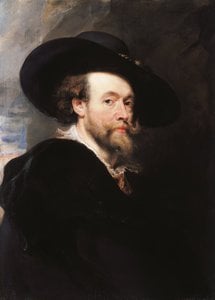
1577 - 1640 , Niemcy
 Podgląd w skali 1:1
 Wyślij jako kartkę
 Udostępnij
 Szczegóły dzieła
 Przewodnik

 Pobierz obraz
 Podobne obiekty
 RTG
RTG Pokaz slajdów
 Pytania i odpowiedzi
 Statystyki


 Rozwiń treść


