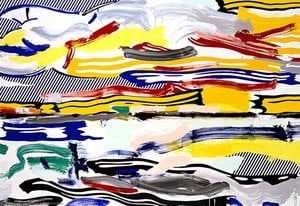
Dzieło sztuki prezentowane na tej stronie podlega ochronie prawem autorskim, co oznacza, że nie mamy prawa do tworzenia ani sprzedaży jego identycznej reprodukcji. Ochrona ta jest egzekwowana na mocy umów międzynarodowych, takich jak Konwencja berneńska oraz przez przepisy prawa krajowego, w tym te określone w Prawo autorskie USA – Tytuł 17.
Metoda ta jest w pełni zgodna z przepisami prawa autorskiego, ponieważ nie polega na kopiowaniu ani powielaniu chronionego dzieła. Stanowi ona kreatywną reinterpretację – nowy obraz, który czerpie inspirację z oryginału, ale nie jest z nim tożsamy.
Wydruki giclée lub płótna o jakości muzealnej, szybka realizacja i szeroki wybór opcji wykończenia. ( Zamów ręcznie malowaną reprodukcję Przejdź do wersji cyfrowej)





























Wybierz spośród naszych standardowych rozmiarów, które zachowują oryginalne proporcje dzieła sztuki.

Wpisz wymaganą szerokość i wysokość, aby dopasować grafikę do ramy lub ściany. Wydruk można jedynie przyciąć, nigdy nie powiększając go poza oryginalny obraz, dlatego format o innych proporcjach spowoduje utratę części kompozycji. Przed rozpoczęciem druku prześlemy Ci cyfrowy podgląd do zatwierdzenia. Obraz wyświetlany na tej stronie nie pokazuje rzeczywistego przycięcia — jedynie podgląd oddaje ten efekt.
Dostawa na cały świat () w ciągu 2 tygodni zamiast standardowych 4/5 tygodni. (21 Listopad)
Sinking Sun
Wymiary reprodukcji
Roy Lichtenstein’s Sinking Sun, painted in 1964, isn't merely a depiction of a sunset; it’s a carefully constructed meditation on the anxieties and visual language of the burgeoning Pop Art movement. Emerging from the shadows of Abstract Expressionism, Lichtenstein sought to dismantle traditional notions of fine art by embracing the imagery of popular culture – advertising, comic books, and everyday objects – transforming them into sophisticated works of art. Sinking Sun embodies this shift perfectly, capturing a fleeting moment of dramatic beauty while simultaneously hinting at an underlying sense of unease.
The painting’s genesis lies in the artist's fascination with the visual techniques employed in commercial printing, particularly the use of Ben-Day dots. This technique, borrowed from the world of mass production, creates a mosaic effect of tiny colored squares that mimics the appearance of halftone patterns found in newspapers and magazines. Lichtenstein masterfully employs this method to render the fiery hues of the sunset – vibrant yellows, deep oranges, and streaks of purple – imbuing the scene with an almost photographic quality while simultaneously distancing it from traditional representational painting. The deliberate flatness of the color fields contributes to the work’s immediate impact, drawing the viewer into its bold and dynamic composition.
The composition of Sinking Sun is deceptively simple yet profoundly effective. A dramatic sunset dominates the canvas, with a large, cloud-obscured sun positioned just above the horizon line. The clouds themselves are rendered in soft pinks and blues, creating a sense of depth and atmospheric perspective. A subtle rainbow arcs across the upper portion of the painting, adding a touch of hopeful beauty to the scene – a fleeting promise after the intensity of the sunset. However, it’s not just a picturesque landscape; the receding horizon line suggests a downward trajectory, subtly conveying a feeling of decline or transition.
The choice of subject matter itself is significant. A sinking sun has long been a potent symbol in art and literature, representing endings, mortality, and the passage of time. In Sinking Sun, this symbolism is amplified by Lichtenstein’s stylistic choices. The bright colors and simplified forms contrast sharply with the melancholic connotations of the subject matter, creating a compelling tension between beauty and sadness.
Lichtenstein’s work, including Sinking Sun, played a pivotal role in challenging established artistic conventions. By appropriating imagery from popular culture – a deliberate move away from the traditional subjects of fine art – he questioned the very definition of what constituted “art.” His use of comic book aesthetics, bold colors, and mass-produced techniques directly confronted the elitism and intellectualism often associated with the art world. Sinking Sun exemplifies this challenge, demonstrating how seemingly mundane imagery could be elevated to a level of artistic significance.
Today, Sinking Sun is recognized as an iconic image of American Pop Art and a testament to Lichtenstein’s innovative approach. Its vibrant colors, meticulous attention to detail, and subtle symbolism continue to resonate with viewers. The painting serves as a poignant reminder of the cultural landscape of its time – a period marked by rapid technological advancements, consumerism, and a growing sense of uncertainty. More than just a beautiful image, Sinking Sun offers a glimpse into the anxieties and aspirations of a generation grappling with the complexities of modernity. It’s a work that invites contemplation and rewards repeated viewing, revealing new layers of meaning with each encounter.
Further Resources: Roy Lichtenstein: Sinking sun, Roy Lichtenstein: Figures with sunset, Roy Lichtenstein: We rose up slowly, Roy Lichtenstein: Crying girl
Artist Information: Roy Fox Lichtenstein (1923-1997) was an American pop artist. He rose to prominence in the 1960s through pieces which were inspired by popular advertising and the comic book style. Much of his work explores the relationship between fine art, advertising, and consumerism.
Additional Research: Roy Lichtenstein, Roy Lichtenstein Foundation
Dla dzieła „Sinking Sun” – Roy Lichtenstein sugerowana jest reprodukcja w formacie Medium. Rozmiar można dostosować, zachowując proporcje.
Dzieło „Sinking Sun” – Roy Lichtenstein klasyfikuje się jako Pop Art, pochodzące z okresu Modern.
Zarejestrowane wartości dla „Sinking Sun” – Roy Lichtenstein to: jasność brilliant, luminancja Bright Balance.

Manhattan, Nowy Jork, 27 października 1923 roku. Roy Lichtenstein przychodzi na świat jako syn Miltona i Beatrice. Miejska energia metropolii stanowi tło dla życia, które ostatecznie rzuci wyzwanie wszelkim granicom sztuki wysokiej. Dorasta w żydzkiej rodzinie z klasy średniej, chłonąc kulturowe rytmy miasta poprzez wizyty w muzeach i fascynację muzyką jazzową.
Trajektoria jego kariery ulega gwałtownym zmianom w połowie dwudziestego wieku. Artysta wyłania się jako czołowa postać ruchu Pop Art – epoki zdefiniowanej przez radykalne odejście od ciężkiego, pełnego emocji warsztatu ekspresjonizmu abstrakcyjnego. Zamiast kierować wzrok ku wnętrzu własnej psychiki, Lichtenstein spogląda na zewnątrz, na błyszczące, mechaniczne powierzchnie amerykańskiej kultury masowej. Swoje tematy odnajduje w najbardziej pomijanych zakamarkach codzienności: w dramatycznych kadrach komiksów oraz surowych, powtarzalnych wzorach reklamy komercyjnej.
Jego twórczość przekształca ulotny język druku w coś monumentalnego. Przyjmując wizualny skrótowiec zrozumiały dla mas, wymusza konfrontację między prestiżem ekskluzywnych galerii a codziennym pulsem ulicy. Jego obecność w świecie sztuki charakteryzuje się świadzanym dystansem; używa on narzędzi przemysłowej reprodukcji, aby na nowo zdefiniować to, czym w ogóle może być obraz.
Manhattan, 1923 rok. To tętniąca życiem metropolia stanowi tło dla narodzin Roy Fox Lichtenstein w rodzinie żydowskiej z klasy średniej. Jego ojciec, Milton, pracuje jako agent nieruchomości, podczas gdy matka, Beatrice, wykształcona pianistka, wprowadza go w kulturalne rytmy Nowego Jorku. Te wczesne lata upływają pod znakiem podwójnego zanurzenia w świecie wizualnym i dźwiękowym; dzieciństwo artysty wypełniają wizyty w muzeach oraz koncerty, co pozwala mu wykształcić głębokie zamiłowanie do muzyki jazzowej, które towarzyszyć mu będzie przez całe życie.
W 1939 roku trajektoria jego życia zaczyna zmierzać ku formalnej dyscyplinie. Artysta trafia do Art Students League w Nowym Jorku, gdzie oddaje się w ręce Reginald Marsh. To właśnie tutaj uwaga skupia się na fundamentach rysunku i malarstwa. Z tych wczesnych poszukiwań Lichtenstein przechodzi ku wyższemu wykształceniu, zapisując się na Ohio State University, aby zdobyć stopień naukowy w dziedzinie sztuk pięknych. Ta akademicka podstawa zapewnia mu rygor techniczny, który ostatecznie stanie się fundamentem dla jego późniejszych, radykalnych odejść od tradycyjnej reprezentacji.
Ścieżka edukacyjna Lichtensteina ulega gwałtownemu zwrotowi w 1943 roku. Pobór wyrywa go z sal wykładowych i rzuca w wir służby w Armii Stanów Zjednoczonych. Przez dwa lata punkt ciężkości jego życia przenosi się ze studia artystycznego na europejskie linie frontu. Służąc we Francji, Belgii i Niemczech, Lichtenstein mierzy się z chaosem lat wojennych między 1943 a 1945 rokiem. W tym burzliwym czasie pracuje jako ordynariusz, kreślarz i artysta, szkicując surową rzeczywistość otaczającego go świata w momencie, gdy konflikt osiąga swoje apogeum.
Wojna dobiega końca, lecz powrót do cywilnej codzienności nie następuje natychmiastowo. Po ustaniu działań wojennych w 1945 roku, Lichtenstein pozostaje na pewien czas we Francji, planując studia na Sorbonie. Ta wizja rozpada się jednak w momencie, gdy jego ojciec zapada na ciężką chorobę, co zmusza go do powrotu do Stanów Zjednoczonych. Artysta wraca na Ohio State University, aby dokończyć rozpoczętą drogę. Do 1946 roku uzyskuje stopień BFA, będąc w pełni gotowym, by powrócić do profesjonalnego świata sztuki jako wykształcony twórca.
Lata powojenne to dla Lichtenstein czas poruszania się w akademickim krajobrazie amerykańskiego Środkowego Zachodu oraz Wschodniego Wybrzeża. Jako wykładowca sztuki na Ohio State University zajmuje to stanowisko okresowo przez całą dekadę, a w tym czasie jego twórczość przechodzi istotną metamorfozę. Artysta zaczyna odchodzić od ciężkiego, pełnego emocji duktu pędzla charakterystycznego dla ekspresjonizmu abstrakcyjnego. Zamiast tego, zaczyna eksperymentować z kubistycznymi interpretacjami oraz lirycznymi dziełami inspirowanymi słynną tkaniną z Bayeux. W jego dorobku pojawiają się także motywy westernowe, przejawiające się w seriach rysunków i obrazów, które odzwierciedlają rodzące się zainteresowanie stylizowaną, drukowaną grafiką.
Przejście w stronę bardziej graficznego języka wizualnego przyspiesza wraz z kolejnymi powołaniami akademickimi. W 1957 roku przenosi się na State University of New York w Oswego, aby uczyć projektowania przemysłowego. Rola ta zbiega się w czasie z okresem intensywnych poszukiwań twórczych. Lichtenstein zaczyna łączyć postacie z kreskówek, takie jak Myszka Miki czy Donald Duck, z abstrakcyjnymi tłem. To hybrydowe podejście stanowi wyraźne odejście od tradycyjnej sztuki wysokiej. Później pełni funkcję profesora asystenta na Douglass College, Rutgers, State University of New Jersey, oraz na SUNY Oswego. Te akademickie środowiska zapewniają mu stabilizację niezbędną do dopracowania języka wizualnego, który odrzuca fakturę tradycyjnego malarstwa na rzecz czegoś bardziej mechanicznego i zdystansowanego.
Płótno staje się polem mechanicznej precyzji. Roy Lichtenstein odrzuca widoczne pociągnięcia pędzla, zastępując ślad ręki artysty chłodnym, wyliczonym językiem masowej produkcji. Przyjmuje estetykę komiksów i reklamy, wykorzystując odważne, podstawowe kolory oraz ciężkie, czarne kontury do definiowania swoich tematów. Obraz sprawia wrażenie zdystansowanego, naśladując płaską, bezosobową jakość drukowanej strony, a nie ręcznie malowanej powierzchni.
Tekstura jest osiągana poprzez celowe, systematyczne zastosowanie kropek Ben-Day. Te małe, kolorowe kręgi tworzą cieniowanie i przejścia tonalne, replikując wygląd taniego druku komercyjnego. Artysta nie maluje tych kropek pojedynczo; zamiast tego używa szablonów wykonanych z cienkiego plastiku lub metalu, przesuwając pędzel lub szmatkę po powierzchni, aby zapewnić jednolity, maszynowy wygląd. Ta technika zmienia akt malowania w proces reprodukcji, zacierając granicę między sztuką wysoką a produktem przemysłowym.
Przełom w stronę jego charakterystycznego stylu następuje w 1961 roku wraz z dziełem Look Mickey. To właśnie tutaj zawłaszczenie postaci Disneya stanowi wyraźne odejście od wcześniejszych, abstrakcyjnych eksperymentów artysty. Roy Lichtenstein porzuca ciężkie, pełne emocji pociągnięcia pędzla znane z poprzedniej dekady, wybierając w zamian mechaniczną klarowność komiksu. Praca ta funkcjonuje jako swoisty most, tłumaczący język literatury popularnej na formalną, wielkoformatową kompozycję.
Do 1963 roku skala jego wizualnych poszukiwań ulega znacznemu rozszerzeniu. Obraz Whaam! eksploduje na płótnie, wykorzystując dramatyczne, pofragmentowane kadry z komiksów wojennych, aby uchwycić moment pełen gwałtownej przemocy. Jednocześnie Drowning Girl prezentuje zupełnie inny rodzaj napięcia. Skupia się na kobiecie zanurzonej w wodzie, której twarz zdobią stylizowane łzy i dymek dialogowy wyrażający poczucie osobnego buntu. Te dzieła nie tylko przedstawiają sceny; one zamrażają melodramat mediów masowych, przekształcając go w statyczne, graficzne obiekty.
Malarstwo z 1964 roku, Nurse, kontynuuje tę eksplorację wątków romantycznych i dramatycznych. Wykorzystuje ono te same wysokokontrastowe kontury i kropki Ben-Day, które definiują jego najbardziej rozpoznawalny okres twórczości. Temat – pielęgniarka z komiksowej powieści romantycznej – został oddany z dystansem, który podkreśla sztuczność materiału źródłowego. Twórczość artysty w tym okresie pozostaje skupiona na styku ludzkich emocji i przemysłowej reprodukcji.
Lata sześćdziesiąte przyniosły istotną zmianę w jego życiu osobistym, gdy w 1968 roku poślubił Dorothy Herzka. Ten okres to czas nieustannego tworzenia i rozszerzania artystycznych horyzontów poprzez różnorodne media. Jego twórczość pozostawała niezwykle płodna, obejmując ponad pięć tysięcy dzieł, w tym obrazy, rzeźby oraz murale. Roy Lichtenstein wyszedł poza pierwotny szok, jaki wywołał jego styl inspirowany komiksami, by zgłębiać bardziej złożone kompozycje, w tym serie nawiązujące do sztuki klasycznej oraz pejzaży.
Koniec nadszedł nagle pod koniec lat dziewięćdziesiątych. W sierpniu 1997 roku artysta zachorował na zapalenie płuc. Choroba okazała się zbyt obciążająca dla jego organizmu. Roy Lichtenstein zmarł 29 września 1997 roku w wyniku powikłań po infekcji. Miał 73 lata.
Pod wpływem jego twórczości granice między sztuką wysoką a kulturą popularną ulegają całkowitemu rozmyciu. Przenosząc wizualny język komiksów i reklamy w progi galerii sztuki, wymusił konfrontację między tradycyjnym malarstwem a masowo produkowanymi obrazami codzienności. Ta zmiana dokonała czegoś znacznie głębszego niż tylko rewolucja w tematyce dzieł; podważyła ona same definicje artorskiego autorstwa i oryginalności. Jego twórczość pozostaje katalizatorem krytycznego dialogu na temat punktów styku sztuki, kultury oraz komercji.
Jego obecność jest wyczuwalna w najważniejszych kolekcjach muzealnych na całym świecie. Od sal londyńskiej Tate po nowojorskie Museum of Modern Art, jego estetyka stanowi fundamentalną część nowoczesnego kanonu. Wpływ jego metody wykracza daleko poza ramy płótna, przenikając do projektowania graficznego, ilustracji i współczesnej sztuki cyfrowej, gdzie napięcie między tym, co mechaniczne, a tym, co malowane ręką artysty, wciąż znajduje swój rezonans. Roy Lichtenstein nie tylko uczestniczył w ruchu Pop Art; on pomógł go powołać do życia, ustanawiając wizualne słownictwo, które pozostaje głównym punktem odniesienia dla sposobu, w jaki konsumujemy obrazy w erze nasyconej mediami.

1923 - 1997 , Stany Zjednoczone

Explore the psychological depth of Roy Lichtenstein's color theory. An expert analysis for art students and collectors on Ben-Day dots, primary palettes, and the intersection of Pop Art with mass media history.

Odkryj fascynujący świat Pop Artu! Analiza dzieł Warhola i Lichtensteina, historia ruchu, techniki artystyczne oraz poradnik dla kolekcjonerów. Ekspercka wiedza o wartości i autentyczności.
Immerse yourself in the vibrant legacy of Pop Art. Explore the stories, bold colors, and iconic techniques behind ten legendary masterpieces that redefined modern culture. Find museum-quality reproductions to elevate your space. Discover all masterpieces on WahooArt.com.

Immerse yourself in the vibrant world of Pop Art with our curated guide to Roy Lichtenstein's top 25 masterpieces. Explore the stories behind his iconic Ben-Day dots and bold comic aesthetics. Find museum-quality reproductions for your decor at WahooArt.com. Discover all masterpieces online.

Explore Roy Lichtenstein's revolutionary Pop Art! Discover the story behind Ben-Day dots, iconic works like 'Whaam!', and investment insights for collectors. Expert analysis & high-quality reproductions at WahooArt.
 Podgląd w skali 1:1
 Wyślij jako kartkę
 Udostępnij
 Szczegóły dzieła
 Przewodnik

 Pobierz obraz
 Podobne obiekty
 RTG
RTG Pokaz slajdów
 Pytania i odpowiedzi
 Statystyki

 Rozwiń treść









 Opcja ze szkłem jest dostępna wyłącznie w rozmiarach poniżej 110 cm