


Wydruki giclée lub płótna o jakości muzealnej, szybka realizacja i szeroki wybór opcji wykończenia. ( Zamów ręcznie malowaną reprodukcję Przejdź do wersji cyfrowej)





























Wybierz spośród naszych standardowych rozmiarów, które zachowują oryginalne proporcje dzieła sztuki.

Wpisz wymaganą szerokość i wysokość, aby dopasować grafikę do ramy lub ściany. Wydruk można jedynie przyciąć, nigdy nie powiększając go poza oryginalny obraz, dlatego format o innych proporcjach spowoduje utratę części kompozycji. Przed rozpoczęciem druku prześlemy Ci cyfrowy podgląd do zatwierdzenia. Obraz wyświetlany na tej stronie nie pokazuje rzeczywistego przycięcia — jedynie podgląd oddaje ten efekt.
Dostawa na cały świat () w ciągu 2 tygodni zamiast standardowych 4/5 tygodni. (10 Listopad)
Sforza Triptych
Wymiary reprodukcji
To stand before the Sforza Triptych is to step through a portal into the profound spiritual landscape of the Northern Renaissance. Completed around 1460, this extraordinary altarpiece by the Flemish Master Rogier van der Weyden (or his highly skilled workshop) serves as much more than a religious relic; it is a masterclass in the intersection of human emotion and divine grace. The work was commissioned for Alessandro Sforza, a prominent member of the Milanese dynasty, and it carries within its three hinged panels a narrative of devotion that remains as palpable today as it was in the fifteenth century. As light dances across the meticulously rendered surfaces, the viewer is invited into a sacred space where the boundaries between the earthly and the celestial begin to blur.
The composition of the triptych is famously irregular, yet this very asymmetry lends the piece an organic, breathing quality that draws the eye in a rhythmic dance across the panels. In the central scene, the weight of the Crucifixion anchors the soul, with Christ’s sacrifice presented with a raw, poignant realism. Surrounding him, the figures are not merely static icons but vessels of grief and reverence. The technique employed—oil paint on wood panels—allows for an unprecedented luminosity. Through the delicate application of glazes, Van der Weyden achieved a depth of color that seems to glow from within, capturing the subtle sheen of fine fabrics, the cold hardness of armor, and the soft, translucent quality of human skin with breathtaking precision.
Every brushstroke in the Sforza Triptych serves a higher purpose, weaving a complex tapestry of symbolism that rewards the contemplative observer. The artist’s background as a goldsmith is evident in the microscopic attention to texture; one can almost feel the heavy weight of the velvet drapery and the intricate metallic glints of period attire. This dedication to detail was not merely for aesthetic pleasure but was deeply rooted in the devotio moderna movement, which encouraged believers to find the divine in the minute details of the physical world. The presence of saints such as St. Bavo, St. Francis, St. Catherine, and St. Barbara on the wings provides a celestial court that flanks the central mystery, creating a sense of a continuous, eternal liturgy.
For the modern collector or interior designer, this piece offers a profound sense of historical gravity and intellectual depth. The triptych does not simply decorate a space; it commands it. Its ability to evoke a mood of quiet contemplation makes it an ideal centerpiece for environments that value heritage, stillness, and sophistication. Whether viewed as a window into the pious heart of the 15th century or as a triumph of Early Netherlandish technical mastery, the Sforza Triptych remains an enduring symbol of how art can bridge the gap between the temporal and the eternal.
Technika wykonania dzieła „Sforza Triptych” – Rogier Van Der Weyden to Oil On Panel, a datowanie pracy pochodzi z 1460.
Dzieło „Sforza Triptych” – Rogier Van Der Weyden klasyfikuje się jako Early Netherlandish Renaissance, pochodzące z okresu Renaissance.
„Sforza Triptych” – Rogier Van Der Weyden można pobrać ze strony Pobierz plik cyfrowy dzieła jako wysokiej rozdzielczości cyfrowe zdjęcie do pobrania.
Imię Rogier Van Der Weyden wyłania się z dynamicznych, zmieniających się krajobrazów językowych piętnastego wieku. Urodzony około 1399 lub 1400 roku w Tournai, biskupstwie, które dziś stanowi część Belgii, poruszał się w świecie ewoluujących tożsamości. Zanim jego nazwisko zostało przetłumaczone na język niderlandzki jako Rogier van der Weyden, był znany jako Roger de la Pasture oraz Rogelet de le Pasture. Ta lingwistyczna transformacja odzwierciedla złożone struktury społeczne i regionalne Niderlandów Burgundzkich, w których przyszło mu żyć.
Jego egzystencja została zdefiniowana przez przejście od rzemieślnika do centralnej postaci wczesnoniderlandzkiego malarstwa. Poruszał się w pełnych napięć kręgach dworu burgundzkiego, przemieszczając się między miejskimi centrami Tournai i Brukseli. Jego życie dobiegło końca 18 czerwca 1464 roku, pozostawiając po sobie dorobek, który na nowo zdefiniował zdolność wyrażania ludzkich emocji w sztuce renesansu północnego, odchodząc od sztywnej ikonografii w stronę bardziej wizceralnej, tętniącej życiem rzeczywistości.
Fundamenty precyzji, z której słynie Rogier Van Der Weyden, tkwią w warsztacie nojarza. Jego ojciec, Henri de le Pasture, był zamożnym człowiekiem, który zmarł około 1425–1426 roku. Wraz ze swoją matką, Agniesą de Wattrélos — nazywaną niekiedy demoiselle Agnès de Waterlos — artysta dorastał w domu, w którym rzemiosło stanowiło fundament codzienności. Zanim pędzel stał się jego głównym narzędziem, Rogier prawdopodobnie szlifował swoje techniczne zmysły jako złotnik. Ta wczesna fascynacja pracą z metalami szlachetnymi zaszczepiła w nim dyscyplinę niezbędną do oddawania najdrobniejszych detali oraz wyrafinowane poczucie tekstury, które w późniejszych latach zdefiniowało jego unikalne podejście do malarstwa olejnego.
Przełom w jego profesjonalnej ścieżce nastąpił pod koniec lat 20. XV wieku. 5 marca 1427 roku Rogier trafił do warsztatu Roberta Campina jako uczeń. Okres ten wyznacza jego przejście od metalurgicznego stołu do malarskiej sztalugi. W tych formacyjnych latach zakorzeniło się również jego życie osobiste. Między 1426 a 1427 rokiem poślubił Elisabeth Goffaert. Małżonkowie doczekali się czworga dzieci: Corneliusa, Margarety, Pietera oraz Jana.
Droga do zawodowego sukcesu rozpoczęła się w Tournai. Już w 1427 roku Rogier Van Der Weyden osiągnął zaszczytny status mistrza w Cechu Świętego Łukasza. Ten prestiżowy tytuł zapewnił mu niezbędną pozycję prawną i społeczną, pozwalającą na prowadzenie własnej, formalnej pracowni. Kolejnym kamieniem milowym w jego karierze było uzyskanie oficjalnego tytułu mistrza malarstwa, co nastąpiło 1 sierpnia 1432 roku. Jego obecność w mieście uczyniła go kluczową postacią w lokalnej strukturze cechowej, budując fundamenty pod przyszłą wielkość.
Z czasem środek ciężkości jego działalności zaczął przesuwać się w stronę Brukseli. 2 marca 1436 roku otrzymał on zaszczytny tytuł malarza miasta Brukseli, co na stałe związało jego karierę z politycznym i administracyjnym sercem regionu. Rogier Van Der Weyden z niezwykłą sprawnością zarządzał procesem twórczym, utrzymując aktywne pracownie zarówno w Tournai, jak i w Brukseli, co pozwalało mu na nadzorowanie produkcji dzieł w dwóch najważniejszych ośrodkach miejskich. Około 1443 roku jego wpływy w mieście jeszcze bardziej wzrosły; zajmował wówczas dwie sąsiadujące ze sobą kamienice przy Złotej Ulicy, położone w pobliżu Pałacu Coudenberg oraz Ratusza.
Prawdziwy triumf nadszedł w 1435 roku, kiedy Rogier Van Der Weyden wszedł w służbę Filipa Dobrego, księcia Burgundii. To prestiżowe appointment ugruntowało jego pozycję na najbardziej wpływającym dworze ówczesnej Europy, sprawiając, że jego sława wykraczała daleko poza granice Niderlandów. Zagraniczni arystokraci, pragnąc posiąść dzieła o tak unikalnym i rozpoznawalnym stylu, przesyłali zamówienia z ogromnych odległości, czyniąc go jednym z najbardziej pożądanych artystów swoich czasów, którego artystyczna obecność sięgała aż po Italię i Hiszpanię.
Jego warsztat stał się tętniącym życiem centrum doskonałości technicznej i miejsca przekazywania wiedzy. Jako uczeń Roberta Campina, Rogier Van Der Weyden kontynuował linię mistrzowskiej precyzji, lecz nie ograniczał się jedynie do tworzenia dzieł; on kształtował całe pokolenia malarzy. To właśnie w jego kręgu artystycznym kształtował się Hans Memling, chłonąc metody, które miały zdefiniować kolejną erę sztuki północnej. Warsztat działał z niezwykłą, profesjonalną organizacją, zręcznie balansując między wymaganiami możnych władców a potrzebami prywatnych mecenasów.
Pędzel porusza się z precyzją złotnika. Tworząc na podstawie modeli żywych, Rogier Van Der Weyden chwyta świat fizyczny z niezwykłym, drobiazgowym realizmem. On nie tylko powiela rysy twarzy; on je rzeźbi. Choć jego obserwacje są niezwykle trafne, często idealizuje pewne cechy rysów, przekształcając modela w wersję samego siebie, która emanuje specyficzną, gotycką elegancją. To napięcie między tym, co rzeczywiste, a tym, co idealne, definiuje jego unikalne podejście do ludzkiej formy.
Światło i cień stają się u niego narzędziami budującymi głębię psychologiczną. W portretach stosuje ciemne płaszczyzny, aby wyizolować podmiot, zmuszając wzrok widza do skupienia się na twarzy i dłoniach. Ta technika skutecznie eliminuje wszelkie rozproszenia. Obrazy buduje poprzez staranne nakładanie farb olejnych, warstwa po warstwie, stosując przezroczyste laserunki, aby uzyskać efekty świetlne i poczucie niesamowitej głębi. Jego paleta barw jest niezwykle bogata; wykorzystuje on nienaturalnie szeroki wachlarz kolorów i zróżnicowanych tonów, dbając o to, by żadne dwa fragmenty płótna nie były identyczne pod względem odcienia. Ta różnorodność sprawia, że obraz staje się żywą, oddychającą przestrzenią.
Emocja nie jest u niego jedynie dodatkiem; jest ona wpisana w samą anatomię jego kompozycji. Rogier Van Der Weyden osiąga poczucie ekspresyjnego patosu poprzez subtelne gesty oraz ciężką, niemal rzeźbiarską jakość draperii. W scenach przepełnionych głębokim smutkiem, ból staje się niemal namacalny w samym nachyleniu głowy czy napięciu dłoni. Techniczne mistrzostwo, jakim włada jego medium, sprawia, że emocje te odczuwamy jako coś pierwotnego i autentycznego, a nie tylko symboliczne przedstawienie.
Emocjonalny ciężar twórczości, którą pozostawił po sobie Rogier Van Der Weyden, często koncentruje się wokół głębokiego bólu Pasji. W Lamentacji, znajdującej się w Musée des Beaux-Arts w Tournai w Belgii, smutek staje się niemal namacalny. Ta intensywność znajduje swoje odzwierciedlenie w Zdjęciu z krzyża, obrazie tablicowym powstałym około 1435 roku. Podobny dramatyczny napięcie odnajdziemy w dziele Zdjęcie z krzyża w Museo del Prado w Madrycie. Te prace nie tylko przedstawiają wydarzenia religijne; one przekładają ludzkie cierpienie na wizualny język ciężkich draperii i ekspresyjnych gestów.
Techniczna precyzja artysty wykracza poza najbardziej intymne i złożone zlecenia. Zwiastowanie ukazuje wyrafinowany styl, podczas gdy Tryptyk Bladelina prezentuje misterną i niezwykle szczegółową kompozycję. W 1445 roku artysta ukończył Ołtarz Siedmiu Sakramentów, monumentalne dzieło, które artykułuje złożone prawdy teologiczne poprzez narrację wizualną. Nawet w mniejszych, bardziej kontemplacyjnych scenach, detal pozostaje niezwykle ostry. Magdalena czytająca, również z 1445 roku, skupia się na ciszy duchowej refleksji, podczas gdy Matka Boska z Dzieciątkiem w Museum of Fine Arts w Houston, chwyta czuły, ludzki moment między matką a dzieckiem.
Rogier Van Der Weyden zajmuje centralne miejsce w historii sztuki renesansu północnego. Obok Jana van Eycka oraz Roberta Campina, uznawany jest za jednego z trzech wielkich mistrzów wczesnego malarstwa flamandzkiego. Jego oddziaływanie wykracza daleko poza granice Niderlandów; jego dzieła wędrują przez całą Europę, ciesząc się ogromnym popytem w Italii i Hiszpanii. Ta międzynarodowa obecność sprawia, że jego stylistyczne innowacje niosą się echem przez różnorodne tradycje artystyczne.
Wpływ jego twórczości jest wyraźnie widoczny w ewolucji malarstwa europejskiego. Techniczne nowatorstwa oraz specyficzne podejście do ludzkich emocji wpłynęły na całą linię wybitnych artystów, w tym Antonello da Messinę, Albrechta Dürera oraz Martina Schongauera. Odchodząc od sztywnej ikonografii w stronę bardziej pierwotnego, żywego naturalizmu, Rogier Van Der Weyden stworzył nowy język wizualny do przedstawiania ludzkiej kondycji. Jego metody dotyczące wykorzystania farb olejnych oraz oddawania głębi psychologicznej utorowały drogę kolejnym pokoleniom malarzy.
Obecność twórczości Rogiera Van Der Weyden w nowoczesnych kolekcjach obejmuje najważniejsze centra kulturalne Europy i obu Ameryk. W Madrycie Museo del Prado przechowuje niezwykle istotne dzieła, w tym powstałe około 1435 roku Zdjęcie z krzyża. Londyńska National Gallery zachowuje jego malarstwo, czego przykładem jest Czytająca Magdalenę z 1445 roku. Po drugiej stronie kanału paryskie Luwr skrywa jego sztukę, podczas gdy Metropolitan Museum of Art w Nowym Jorku posiada wyselekcjonowaną grupę jego prac. W Brukseli Królewskie Muzea Sztuk Pięknych goszczą jego obrazy, pielęgnując język wizualny, który pomógł on ustanowić w Niderlandach.
Zasięg jego wpływu sięga aż do wielkich muzeów państwowych Niemiec i Austrii. Staatliche Museen w Berlinie posiada kilka dzieł, w tym detale z powstałego w 1445 roku Ołtarza Miraflores. W Wiedniu Kunsthistorisches Museum przechowuje jego malarstwo, zapewniając, że jego techniczna precyzja pozostaje dostępna zarówno dla uczonych, jak i dla zwykłych widzów. Instytucje te pełnią rolę głównych depozytariuszy jego przetrwałego dorobku, w których specyficzne tekstury olejnych lazurów oraz rzeźbiarska jakość jego postaci pozostają wciąż żywe i widoczne dla współczesnego oka.

1400 - 1464 , Belgia
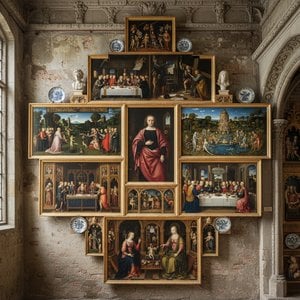
Odkryj 10 arcydzieł wczesnego renesansu niderlandzkiego! Poznaj historie van Eycka, Rogiera van der Weydena i innych mistrzów. Reprodukcje obrazów najwyższej jakości dla Twojego wnętrza – WahooArt.com
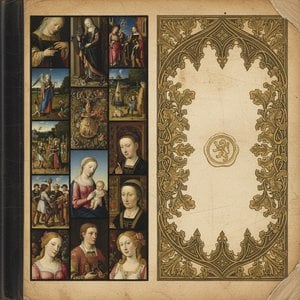
Odkryj 10 arcydzieł wczesnoniderlandzkiego malarstwa! Poznaj historie van Eycka, Weydena i Memlinga. Reprodukcje obrazów najwyższej jakości dla Twojego wnętrza. Inspiracje i dekoracje ścienne na WahooArt.com

Explore the revolutionary art of Hugo van der Goes – a master of Early Netherlandish painting renowned for his dramatic realism, psychological depth & profound influence on Renaissance artists. Discover his iconic works and lasting legacy.

Explore the revolutionary art of Rogier van der Weyden, a pivotal figure of the Early Netherlandish Renaissance. Discover his emotional realism, innovative compositions, and lasting impact on painting history.

Poznaj 25 arcydzieł Rembrandta van Rijn! Odkryj fascynujące historie, techniki i wpływ holenderskiego mistrza baroku na świat sztuki. Reprodukcje obrazów najwyższej jakości – inspiracje do wnętrz na WahooArt.com
 Podgląd w skali 1:1
 Wyślij jako kartkę
 Udostępnij
 Szczegóły dzieła
 Przewodnik

 Pobierz obraz
 Podobne obiekty
 RTG
RTG Pokaz slajdów
 Pytania i odpowiedzi
 Statystyki


 Rozwiń treść









 Opcja ze szkłem jest dostępna wyłącznie w rozmiarach poniżej 110 cm


