DARMOWA KONSULTACJA ARTYSTYCZNA

x
Zamów reprodukcję Zamów reprodukcjęKup cyfrowy obraz Kup cyfrowy obraz UdostępnijUdostępnij
SzczegółySzczegóły Dodaj do ulubionych Dodaj do ulubionych PobierzPobierz Podobne obiektyPodobne obiekty RTGRTG Pokaz slajdówPokaz slajdów

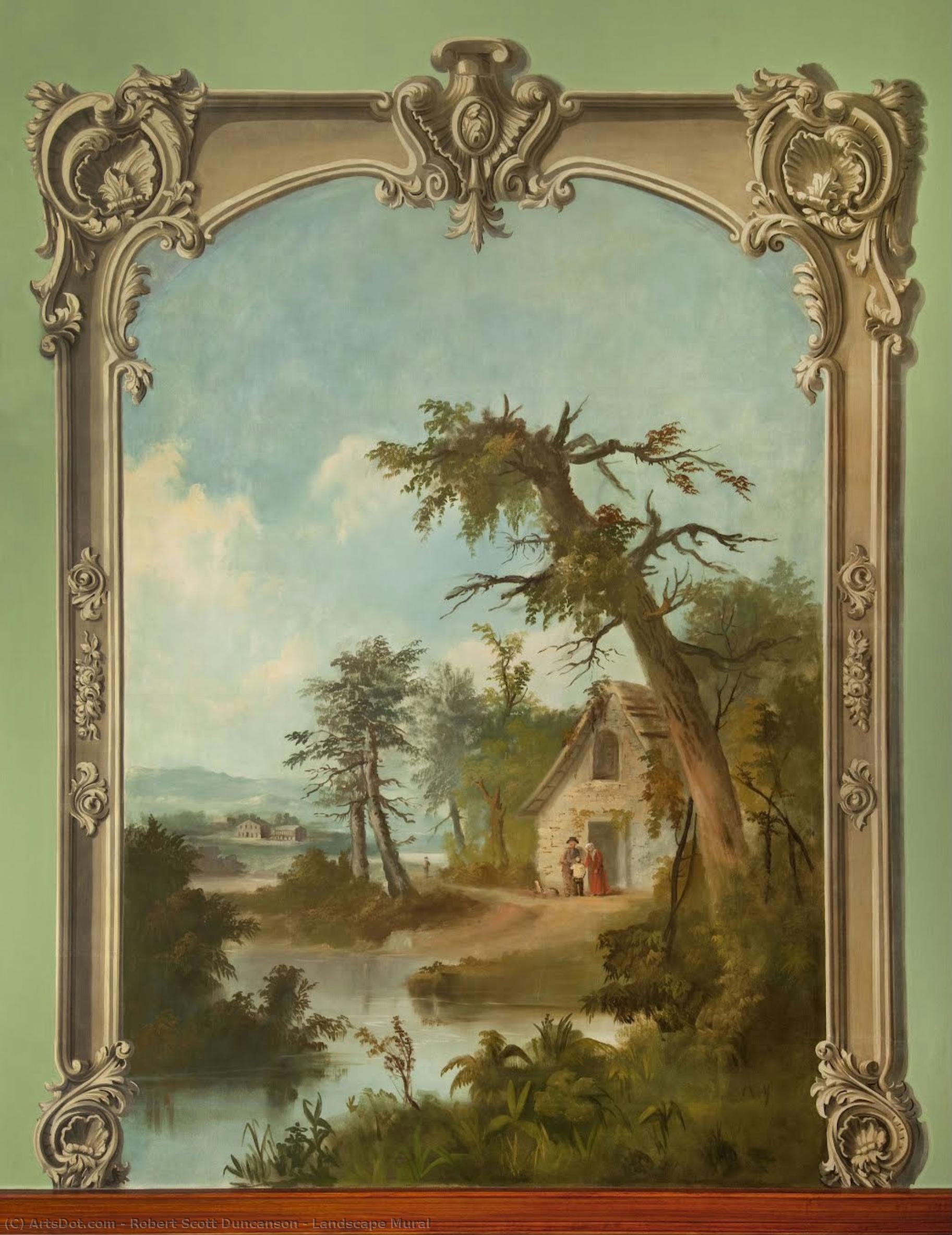
Landscape Mural

Robert Seldon Duncanson’s ‘Landscape Mural’ (1852) captures Ohio Valley beauty with Romantic detail. Explore this Hudson River School masterpiece & the artist's legacy.

Odkryj Roberta Seldona Duncansona (1821-1872), pioniera amerykańskiej sztuki krajobrazowej i pierwszego Afroamerykanina o międzynarodowym uznaniu! Podziwiaj jego idylliczne widoki Ohio Valley w stylu Hudson River School, pełne subtelnych przesłanek społecznych.

Giclée / Wydruk artystyczny

Druk giclée lub płótno o jakości muzealnej z szybką realizacją i szerokim wyborem opcji wykończenia.

P118B $10
P118H $10
P118W $10
P438Z $10
P508JH $12
P508YH $12
P805H $10
P805Z $10
P919BZ $10
P919G $10
P919XJ $10
P959ZH $10
P968JZ $12
W106C $8
W218G $10
W218JH $8
W218Y $10
W307PJ $10
W316G $10
W316PJ $8
W316Y $10
W398PJ $8
W4111J $10
W500HY $15
W500JH $15
W692G $12
W849H $8
W940BG $15
W953PJ $8

Standard
custom
CM
INCH

Wybierz spośród naszych predefiniowanych rozmiarów, które zachowują oryginalne proporcje dzieła sztuki.

szerokość
wysokość

Możesz wprowadzić własne wymiary, aby dopasować dzieło do konkretnej ramy lub przestrzeni. Jeśli wybrany rozmiar nie będzie odpowiadał proporcjom oryginalnego obrazu, przytniecie dzieło lub rozszerzymy obraz za pomocą odbicia lustrzanego lub jednolitego wypełnienia krawędzi. Przed rozpoczęciem produkcji prześlemy cyfrową wizualizację do Twojej akceptacji.
Prosimy pamiętać, że podgląd na ekranie nie odzwierciedla faktycznego przycinania ani rozszerzania. Tylko wizualizacja dokładnie pokaże końcową kompozycję.
Mimo dostępności niestandardowych rozmiarów, zalecamy wybór wymiaru z listy zdefiniowanej, aby zachować oryginalne proporcje.

Dostawa na cały świat () w ciągu 2 tygodni zamiast standardowych 4/5 tygodni. (4 Lipiec)

why_choose_icon
Bezpłatna ekspresowa wysyłka na cały świat
why_choose_icon
Wysokiej jakości płótno lniane
why_choose_icon
Pełne ubezpieczenie przesyłki
why_choose_icon
Gwarancja zwrotu należności celnych
why_choose_icon
Gwarancja pełnego zgodności kolorystycznej
why_choose_icon
Polityka 60-dniowego zwrotu (tylko w przypadku wad)
why_choose_icon
Gwarancja 100% zwrotu pieniędzy
why_choose_icon
Zniżka przy większych zamówieniach

Suma całkowita

-

reproduction

Landscape Mural

Giclée / Wydruk artystyczny

Wymiary reprodukcji

-

Cena całkowita

-

Szybkie fakty

  • Medium: Oil on plaster
  • Location: Taft Museum, Cincinnati
  • Artist: Robert Seldon Duncanson
  • Dimensions: 110 x 79 in.
  • Notable elements: Romantic style, atmospheric perspective
  • Title: Landscape Mural
  • Subject or theme: Ohio Valley landscape

Quiz o sztuce

Na każde pytanie istnieje tylko jedna poprawna odpowiedź.

Pytanie 1:
What artistic movement is Robert Seldon Duncanson’s ‘Landscape Mural’ primarily associated with?
Pytanie 2:
Approximately when was ‘Landscape Mural’ painted?
Pytanie 3:
What is the primary subject matter of ‘Landscape Mural’?
Pytanie 4:
Robert Seldon Duncanson was notable for being one of the first African American artists to achieve international acclaim. What contributed to this recognition?
Pytanie 5:
The Taft Museum of Art houses ‘Landscape Mural’. What type of artwork is it?

Opis obiektu kolekcjonerskiego

Robert Seldon Duncanson’s “Landscape Mural”: A Window into the Soul of America

Robert Seldon Duncanson's "Landscape Mural," painted in 1852, isn’t merely a depiction of a rural scene; it’s a profound meditation on nature, spirituality, and the burgeoning identity of America itself. Created during a period of immense social and political upheaval – the years leading up to the Civil War – this monumental work offers a glimpse into Duncanson's artistic vision and his deeply felt connection to the land. Measuring an impressive 110 1/8 x 78 7/8 inches, the mural dominates its setting, drawing the viewer into a meticulously rendered world of rolling hills, a meandering river, and a distant farmhouse bathed in the golden light of late afternoon. It’s a scene both familiar and subtly unsettling, imbued with an atmosphere that speaks to the complexities of the era.

Duncanson, a pioneering African American artist, navigated a challenging landscape of racial prejudice while establishing himself as one of the foremost landscape painters of his time. His work often grappled with themes of identity, spirituality, and the relationship between humanity and nature – subjects that resonated deeply within the context of his lived experience. The mural’s composition—a carefully balanced interplay of light and shadow, foreground and background—reflects Duncanson's meticulous approach to art, honed through years of apprenticeship in carpentry and house painting before he fully embraced his artistic calling. The use of atmospheric perspective, a technique borrowed from European masters like the Hudson River School, creates a sense of depth and distance, inviting the viewer to lose themselves within the painted landscape.

Hudson River School Aesthetics: Romanticism Rooted in Observation

“Landscape Mural” firmly places itself within the tradition of the Hudson River School, a movement of American artists who sought to capture the beauty and grandeur of the American wilderness. Inspired by European Romanticism—with its emphasis on emotion, imagination, and the sublime—the Hudson River School painters rejected the rigid academic styles of the past in favor of direct observation and a celebration of nature’s power. Duncanson's work embodies this spirit perfectly, eschewing idealized representations for a more nuanced and evocative portrayal of the Ohio Valley landscape.

The painting’s palette is rich and earthy—dominated by greens, browns, and ochres—creating a sense of warmth and tranquility. However, subtle hints of melancholy permeate the scene, particularly in the muted tones of the distant farmhouse and the slightly overcast sky. This duality reflects the complex realities of 19th-century America – a nation grappling with issues of slavery, economic inequality, and westward expansion. The artist’s careful attention to detail—the texture of the bark on the trees, the ripples in the water, the subtle gradations of light—demonstrates his deep understanding of nature and his commitment to capturing its essence with remarkable accuracy.

Symbolism and Narrative: A Silent Story

While ostensibly a landscape painting, “Landscape Mural” is rich in symbolic meaning. The lone figure standing near the tree – often interpreted as representing humanity’s relationship with nature—suggests both reverence and a sense of vulnerability. The river, flowing steadily towards the horizon, can be seen as a metaphor for the passage of time and the relentless march of progress. The distant farmhouse represents the promise of home and stability, yet it also evokes a feeling of isolation and loneliness.

Some art historians have suggested that Duncanson subtly incorporated racial metaphors into his work, using the landscape to explore themes of identity and belonging. The painting’s quiet dignity and contemplative mood invite viewers to reflect on their own place within the larger context of American history and culture. The mural's enduring appeal lies in its ability to evoke a sense of nostalgia for a bygone era while simultaneously prompting us to consider the challenges and complexities of our present.

A Legacy of Artistic Vision: Reproduction and Appreciation

Today, “Landscape Mural” stands as a testament to Robert Seldon Duncanson’s artistic genius and his significant contribution to American art history. High-quality reproductions capture the painting's luminous quality and intricate detail, allowing viewers to appreciate its beauty and complexity from afar. Whether displayed in a private home or a public institution, this remarkable work continues to inspire and captivate audiences with its evocative imagery and profound message. Consider commissioning a hand-painted reproduction to bring this timeless masterpiece into your own space – a tangible reminder of Duncanson’s artistic vision and the enduring power of nature.

Podobne dzieła sztuki


Biografia artysty

Robert Seldon Duncanson: A Pioneer of the American Landscape

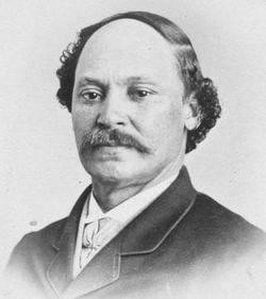
Robert Seldon Duncanson, a name that resonates with both artistic brilliance and profound historical significance, emerged as a pivotal figure in 19th-century American art. Born around 1821 in Fayetteville, New York, to parents of European and African descent—his father, John Dean Duncanson, a free Black tradesman who instilled the values of diligence and learning—Duncanson navigated a world riddled with racial prejudice while simultaneously achieving international acclaim as a landscape painter. His journey was one defined by self-education, unwavering dedication, and an intimate connection to the natural world, ultimately establishing him as the first African American artist to gain widespread recognition on both sides of the Atlantic. The family’s relocation to Monroe, Michigan, saw young Robert apprenticed in carpentry and painting, revealing an early aptitude for art that would soon shape his destiny.

From Portraiture to Panoramic Vistas

Duncanson's artistic development initially centered around portraiture—a practical means of establishing himself as a professional artist. However, the vibrant cultural scene of Cincinnati, Ohio—a city affectionately known as the “Athens of the West”—beckoned him in 1840, offering opportunities for growth and exposure that were unavailable elsewhere. Largely self-taught, Duncanson honed his skills through diligent study of prints and engravings, meticulously sketching directly from nature, and carefully copying the works of established masters. This rigorous approach fostered a keen eye for detail and remarkable technical proficiency—a testament to his dedication despite lacking formal training. It was in Cincinnati that he began his transformative transition towards landscape painting, drawn by the romantic ideals and sublime beauty of the American wilderness. The influence of the Hudson River School became increasingly apparent in his work, particularly the evocative compositions of Thomas Cole, whose dramatic depictions of nature resonated deeply with Duncanson’s artistic sensibilities. He wasn't merely replicating scenes; he was interpreting them through a uniquely personal lens, imbuing his canvases with a sense of tranquility and spiritual connection—a reflection of his own profound relationship with the natural world.

A European Sojourn and International Recognition

A pivotal moment in Duncanson’s career arrived in 1853-1854 with an extended tour of Europe. This journey provided him with invaluable exposure to the works of European masters, broadening his artistic horizons and refining his technique. He studied the Old Masters, absorbing their approaches to light, color, and composition—elements he skillfully integrated into his own distinctive style. Upon his return, Duncanson’s work demonstrated a newfound sophistication and maturity, attracting attention not only in America but also in England, Scotland, and Canada. Exhibitions followed, solidifying his reputation as an artist of considerable talent and vision. He became a key figure in developing the Ohio River Valley landscape tradition, capturing the serene beauty of the region with remarkable skill. His paintings weren’t simply representations of place; they were expressions of mood, atmosphere, and the sublime power of nature—often imbued with a sense of quiet contemplation.

Symbolism and Racial Context

While Duncanson primarily focused on depicting idyllic landscapes, his work has been subject to scholarly debate regarding potential symbolic meanings. Given his racial background and association with abolitionist leaders in Cincinnati, some historians and critics have suggested that subtle allegories related to the evils of slavery might be embedded within his paintings. The depiction of loggers floating rafts down rivers, for instance, could be interpreted as a metaphor for the forced migration of enslaved people—a poignant reminder of the injustices faced by African Americans during this era. However, it’s important to note that Duncanson himself often minimized the human narrative in his landscapes, prioritizing the beauty and grandeur of nature. This deliberate choice reflects a broader artistic trend of the time, where the emphasis was on capturing the sublime experience of being immersed in the natural world—rather than explicitly addressing social or political issues. Nevertheless, the possibility of these subtle racial metaphors adds another layer of complexity to Duncanson’s legacy, prompting ongoing discussion and interpretation among art historians.

Legacy and Historical Significance

Robert Seldon Duncanson's legacy extends far beyond his artistic achievements. He broke down barriers for African American artists during a period marked by pervasive racial discrimination, serving as an inspiration for future generations. His success challenged prevailing societal norms and demonstrated the power of art to transcend prejudice—a remarkable feat considering the limitations placed upon Black artists at the time. For many years, his work was unjustly overlooked, relegated to the margins of art history. However, recent scholarship and exhibitions have brought renewed attention to his contributions, recognizing him as a vital figure in American landscape painting. He died unexpectedly in 1872 while preparing for an exhibition in Detroit, possibly due to lead poisoning from the paints he used—a tragic end to a remarkable life. Today, Robert Seldon Duncanson stands as a pioneering figure—a testament to the power of art to overcome adversity and leave an indelible mark on the world. His serene vistas continue to captivate audiences, reminding us of the enduring beauty of nature and the remarkable talent of an artist who dared to dream beyond the limitations imposed upon him by his time.
  • Major Themes: Landscape painting, Romanticism, Hudson River School influence, spiritual connection with nature.
  • Notable Works: “Landscape with Sheep,” “Roses Still Life,” and numerous depictions of the Ohio River Valley.
Robert Seldon Duncanson

Robert Seldon Duncanson

1821 - 1872 , Stany Zjednoczone

Kluczowe informacje

  • Artistic Movement Or Style: Hudson River School
  • Artists Or Movements Influenced By This Artist: ['Ohio River Valley tradycja']
  • Artists Who Influenced This Artist: ['Thomas Cole']
  • Date Of Birth: c. 1821
  • Date Of Death: 21 grudnia 1872
  • Full Name: Robert Seldon Duncanson
  • Nationality: Amerykański
  • Notable Artworks:
    • Landscape z owcami
    • Rosas Still Life
  • Place Of Birth: Fayetteville, USA
Odkryj dzieła sztuki uporządkowane według tematów, stylów i cech charakterystycznych.