Zobacz w skali 1:1 Zobacz w AR Przełącz na wersję drukowaną Przełącz na wersję cyfrową Wyślij
Szczegóły Przewodnik Dodaj do ulubionych Pobierz plik obrazu Podobne obiekty RTG Pokaz slajdów Statystyki

Voice

René Magritte’s surrealist masterpiece ‘Voice’ presents a captivating juxtaposition of nature and architecture—a tree harboring a house—creating an atmosphere of profound mystery. Exploring themes of perception and hidden realities, this iconic Belgian artwork invites you to delve into the artist's visionary style.

René Magritte (1898-1967): Belgijski mistrz surrealizmu! Odkryj jego niezwykłe obrazy, takie jak 'Kochankowie', które kwestionują rzeczywistość i percepcję. #Magritte #Surrealizm

Dzieło sztuki prezentowane na tej stronie podlega ochronie prawem autorskim, co oznacza, że nie mamy prawa do tworzenia ani sprzedaży jego identycznej reprodukcji. Ochrona ta jest egzekwowana na mocy umów międzynarodowych, takich jak Konwencja berneńska oraz przez przepisy prawa krajowego, w tym te określone w Prawo autorskie USA – Tytuł 17.

Jako pełną szacunku i legalną alternatywę oferujemy personalizowane, malowane ręcznie dzieła sztuki inspirowane oryginałem. Nasi wykwalifikowani i profesjonalni artyści starannie analizują styl, nastrój oraz artystyczną esencję pierwowzoru, aby stworzyć nowe, unikalne dzieło, które przywołuje te same emocje – pozostając jednocześnie w pełni oryginalną kreacją.

Metoda ta jest w pełni zgodna z przepisami prawa autorskiego, ponieważ nie polega na kopiowaniu ani powielaniu chronionego dzieła. Stanowi ona kreatywną reinterpretację – nowy obraz, który czerpie inspirację z oryginału, ale nie jest z nim tożsamy.

Ręcznie malowana reprodukcja olejowa

Ręcznie malowany obraz olejny na płótnie, wykonany na zamówienie przez naszych artystów w wybranym przez Ciebie wymiarze i oprawie. ( Przełącz na wersję drukowaną Przełącz na wersję cyfrową)

Corner sample of the P118B picture frame: polistyren formowany, 5 cm wide and 3 cm thick
P118B 10
Corner sample of the P118H picture frame: polistyren formowany, 5 cm wide and 3 cm thick
P118H 10
Corner sample of the P118W picture frame: polistyren formowany, 5 cm wide and 3 cm thick
P118W 10
Corner sample of the P438Z picture frame: polistyren formowany, 5.5 cm wide and 3.5 cm thick
P438Z 10
Corner sample of the P508JH picture frame: polistyren formowany, 7 cm wide and 3.5 cm thick
P508JH 12
Corner sample of the P508YH picture frame: polistyren formowany, 7 cm wide and 3.5 cm thick
P508YH 12
Corner sample of the P805H picture frame: polistyren formowany, 5 cm wide and 3.5 cm thick
P805H 10
Corner sample of the P805Z picture frame: polistyren formowany, 5 cm wide and 3.5 cm thick
P805Z 10
Corner sample of the P919BZ picture frame: polistyren formowany, 7 cm wide and 3.5 cm thick
P919BZ 10
Corner sample of the P919G picture frame: polistyren formowany, 7 cm wide and 3.5 cm thick
P919G 10
Corner sample of the P919XJ picture frame: polistyren formowany, 7 cm wide and 3.5 cm thick
P919XJ 10
Corner sample of the P959ZH picture frame: polistyren formowany, 5 cm wide and 3 cm thick
P959ZH 10
Corner sample of the P968JZ picture frame: polistyren formowany, 6 cm wide and 4 cm thick
P968JZ 12
Corner sample of the W106C picture frame: lite drewno, 5 cm wide and 3 cm thick
W106C 8
Corner sample of the W218G picture frame: lite drewno, 5 cm wide and 3 cm thick
W218G 10
Corner sample of the W218JH picture frame: lite drewno, 5 cm wide and 3 cm thick
W218JH 8
Corner sample of the W218Y picture frame: lite drewno, 5 cm wide and 3 cm thick
W218Y 10
Corner sample of the W307PJ picture frame: lite drewno, 6 cm wide and 3 cm thick
W307PJ 10
Corner sample of the W316G picture frame: lite drewno, 6 cm wide and 3 cm thick
W316G 10
Corner sample of the W316PJ picture frame: lite drewno, 6 cm wide and 3 cm thick
W316PJ 8
Corner sample of the W316Y picture frame: lite drewno, 6 cm wide and 3 cm thick
W316Y 10
Corner sample of the W398PJ picture frame: lite drewno, 5 cm wide and 3 cm thick
W398PJ 8
Corner sample of the W4111J picture frame: lite drewno, 6.5 cm wide and 3.5 cm thick
W4111J 10
Corner sample of the W500HY picture frame: lite drewno, 7 cm wide and 5 cm thick
W500HY 15
Corner sample of the W500JH picture frame: lite drewno, 7 cm wide and 5 cm thick
W500JH 15
Corner sample of the W692G picture frame: lite drewno, 8 cm wide and 4 cm thick
W692G 12
Corner sample of the W849H picture frame: lite drewno, 5 cm wide and 3 cm thick
W849H 8
Corner sample of the W940BG picture frame: lite drewno, 7.5 cm wide and 4.5 cm thick
W940BG 15
Corner sample of the W953PJ picture frame: lite drewno, 6 cm wide and 3.5 cm thick
W953PJ 8

Standardowy
na zamówienie
CM
INCH

Wybierz spośród naszych standardowych rozmiarów, które zachowują oryginalne proporcje dzieła sztuki.

szerokość
wysokość

Wpisz wymaganą szerokość i wysokość, aby obraz pasował do Twojej ramy lub ściany. Ponieważ jest to dzieło malowane ręcznie, w przypadku rozmiaru o innym proporcji artysta może domalować nieco więcej wokół obrazu lub przyciąć fragmenty — wybór należy do Ciebie. Przed rozpoczęciem pracy prześlemy Ci cyfrową wizualizację do zatwierdzenia. Obraz widoczny na tej stronie nie przedstawia rzeczywistego efektu — jedynie wizualizacja oddaje realny rezultat.

Przykłady możliwych zmian: Zamień twarz na zdjęcie klienta; Dodaj zwierzę domowe (np. zamień kota na psa); Ukryj wiadomość w tle; Zmień krajobraz lub elementy tła.
Po złożeniu zamówienia zespół WahooArt.com skontaktuje się z klientem drogą mailową w celu uzyskania instrukcji i prześle wizualizację projektu

Dostawa na całym świecie () w ciągu 3–4 tygodni zamiast standardowych 5 tygodni. (22 Październik). Bez kompromisów w kwestii jakości.

Bezpłatna ekspresowa wysyłka na cały świat
Wysokiej jakości płótno lniane
Pełne ubezpieczenie transportowe
Gwarancja zwrotu należności celnych i podatków importowych
Gwarancja idealnego odwzorowania barw
100-dniowy okres na zwrot dzieła w przypadku wykrycia wad produkcyjnych
Gwarancja 100% zwrotu pieniędzy
Oferta przy zakupie wielu sztuk

Cena całkowita

zł 1044

Voice

Technika wykonania

Rozmiar reprodukcji

-

Suma do zapłaty

zł 1044

Kluczowe informacje

  • Location: Private Collection
  • Year: 1967
  • Artist: René Magritte
  • Influences: Yves Tanguy
  • Notable elements or techniques: House in trunk

A Surreal Intersection of Nature and Architecture


In René Magritte’s captivating work, Voice, the boundaries between the organic world and human habitation dissolve into a singular, arresting image. At first glance, the viewer is met with the sturdy, detailed presence of a tree, its bark rendered with such meticulous realism that one can almost feel its rough texture underfoot. Yet, as the eye wanders toward the heart of the trunk, the familiar gives way to the impossible: a miniature house nestled securely within the wood, complete with an open doorway that invites the imagination into its hollowed depths. This signature Magritte technique—grounding fantastical, dreamlike distortions in tangible, recognizable reality—creates a visual tension that is both unsettling and deeply enchanting. The artist employs a masterful precision that makes the surreal feel profoundly present, turning a simple landscape into a stage for the extraordinary.

The Language of Hidden Realities


Painted during the mid-1950s, a period of profound experimentation for Magritte, this piece serves as a window into the Surrealist mission to liberate the subconscious mind from the constraints of logic. The painting transcends mere visual trickery, acting instead as a complex web of symbols and psychological echoes. The tree stands as a potent emblem of resilience and growth, perhaps reflecting the artist's own navigation through the shadows of personal loss. Within its core, the house introduces a profound paradox: it represents the sheltering comfort of home, yet its placement within the living organism suggests a sense of confinement or a hidden, internal world where emotions are tucked away. The solitary figure standing near the tree adds a layer of quiet contemplation, prompting us to wonder if they are an observer of this miracle or a participant in its silent, whispered mystery.

An Evocative Presence for the Discerning Collector


For art lovers and interior designers seeking to infuse a space with intellectual depth, Voice offers an unparalleled atmosphere of mystery and melancholy. The painting’s emotional impact is driven by its masterful use of color; the palette, dominated by earthy browns and tranquil greens, creates a sense of grounded serenity that is subtly tinged with a haunting sadness. It is a piece that demands attention not through loudness, but through its ability to provoke thought and lingering conversation.

When considering this work for a collection or a curated interior, one finds several layers of appeal:
  • Visual Intrigue: The juxtaposition of architecture and nature provides a striking focal point that challenges the viewer's perception.
  • Atmospheric Depth: The muted, natural tones allow it to integrate seamlessly into sophisticated, modern, or classical decor while maintaining its own enigmatic character.
  • Narrative Power: It serves as more than decoration; it is a profound piece of storytelling that invites the eye to linger and the mind to wander.

To possess a high-quality reproduction of such a masterpiece is to bring a fragment of the surreal into the everyday, turning any room into a space of infinite contemplation and wonder.

Pytania i odpowiedzi

Czy „Voice” autorstwa René Magritte to jasne czy ciemne dzieło?

Postrzegana jasność dzieła „Voice” autorstwa René Magritte wynosi shadow. Można ją dopasować do oświetlenia w docelowym pomieszczeniu.

Czy mogę zobaczyć „Voice” autorstwa René Magritte w różnym oświetleniu?

Strona Prześwietlenie dzieła „Voice” autorstwa René Magritte to interaktywny podgląd, który pozwala na przesuwanie jedenastu warstw optycznych obrazu, w tym widok w stylu rentgenowskim.

Jaki poziom luminancji ma „Voice” autorstwa René Magritte?

Kolory dzieła "Voice" wykazują luminancję na poziomie Soft Shadow.


Biografia artysty

Early Life and the Seeds of Surrealism

René Magritte, born René François Ghislain Magritte on November 21, 1898, in Lessines, Belgium, emerged into a world that would profoundly shape his enigmatic artistic vision. His early years were marked by an unsettling event – the suicide of his mother when he was just thirteen. The image of her body being recovered from the River Sambre, with her dress obscuring her face, became a haunting motif that would subtly permeate his later work, manifesting in veiled figures and a persistent exploration of hidden realities. This early trauma instilled within him a fascination with mystery, loss, and the unsettling power of what remains unseen. While details of his childhood remain somewhat elusive, it’s clear this formative experience laid the groundwork for his lifelong questioning of perception and representation. He began drawing lessons at age ten, revealing an innate inclination towards visual expression, but initially explored Impressionism before embarking on a path that would lead him to become one of the most significant figures in Surrealist art.

Artistic Development and Influences

Magritte’s artistic journey was not immediate or straightforward. He studied at the Académie Royale des Beaux-Arts in Brussels, yet found its traditional methods stifling. His early work experimented with Futurism and Cubism, absorbing elements of these avant-garde movements but ultimately rejecting their purely formal concerns. It wasn't until encountering Giorgio de Chirico’s painting *The Song of Love* in 1922 that Magritte discovered a resonance that would irrevocably alter his artistic course. De Chirico’s dreamlike landscapes and unsettling juxtapositions unlocked within Magritte a new way of seeing – a world where the familiar could be rendered strange, and the ordinary imbued with profound mystery. This encounter sparked his commitment to Surrealism, though he often maintained a unique distance from its more overtly psychological or automatic approaches. He preferred a meticulous, almost clinical precision in his painting, using realistic techniques to depict illogical scenarios.

The Heart of Surrealism: Challenging Reality

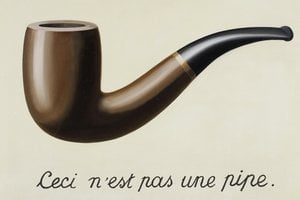
By 1926, Magritte had fully embraced the tenets of Surrealism, producing *Le Jockey Perdu (The Lost Jockey)*, widely considered his first truly surrealist work. However, his brand of Surrealism was distinct. He wasn’t interested in exploring the subconscious through free association or dream imagery in the manner of some of his contemporaries. Instead, Magritte sought to challenge viewers' perceptions of reality by presenting ordinary objects in unexpected contexts, forcing them to question their assumptions about the world around them. Iconic works like *The Treachery of Images (This is not a pipe)* (1929) brilliantly deconstructs the relationship between image and object, reminding us that a representation is never the thing itself. *Les Amants (The Lovers)* (1927-1928), with its shrouded figures, echoes the trauma of his mother’s death while simultaneously exploring themes of concealment and intimacy. *Time Transfixed* (1938) presents a locomotive bursting through a brick wall, disrupting our sense of space and time. And *The Human Condition* (1933), a canvas within a canvas, blurs the boundaries between representation and reality, prompting us to consider how we perceive and interpret the world.

Later Life, Recognition, and Enduring Legacy

Despite initial struggles for recognition, Magritte’s work gradually gained prominence, particularly in the United States with exhibitions in 1936 and later retrospective shows at the Museum of Modern Art (1965) and the Metropolitan Museum of Art (1992). He remained politically engaged throughout his life, advocating for artistic autonomy. He continued to refine his signature style, exploring themes of repetition, illusion, and the power of language in paintings that are both intellectually stimulating and visually arresting. Magritte died on August 15, 1967, leaving behind a body of work that continues to captivate and challenge audiences worldwide. His influence extends far beyond the realm of painting, impacting pop art, minimalist art, conceptual art, and even advertising and film. Today, his paintings are held in major museum collections around the globe, including the Musées royaux des beaux-arts de Belgique in Brussels, which houses the Magritte Museum – dedicated entirely to his work and boasting the world’s largest collection of his creations.
  • Museum Collections: Musées royaux des beaux-arts de Belgique, Brussels; Magritte Museum.

Magritte's enduring legacy lies in his ability to make us see the familiar anew, to question our assumptions about reality, and to appreciate the power of art to provoke thought and inspire wonder. He wasn’t simply painting images; he was crafting visual paradoxes that continue to resonate with viewers decades after their creation, solidifying his position as a true master of Surrealism and a pivotal figure in 20th-century art.

René Magritte

René Magritte

1898 - 1967 , Belgia

Najważniejsze informacje

  • Artistic Movement Or Style: Surrealizm
  • Artists Or Movements Influenced By This Artist:
    • Pop art
    • Minimalist sztuka
  • Artists Who Influenced This Artist: ['Giorgio de Chirico']
  • Date Of Birth: 21 listopada 1898
  • Date Of Death: 15 sierpnia 1967
  • Full Name: René François Ghislain Magritte
  • Nationality: Belgijski
  • Notable Artworks:
    • Les Amants
    • The Treachery of Images
    • Time Transfixed
  • Place Of Birth: Lessines, Belgia
Odkryj dzieła sztuki uporządkowane według tematów, stylów i cech charakterystycznych.