Ręcznie malowany obraz olejny na płótnie, wykonany na zamówienie przez naszych artystów w wybranym przez Ciebie wymiarze i oprawie. ( Zamów wydruk Kup obraz wysokiej rozdzielczości)





























Wybierz spośród naszych standardowych rozmiarów, które zachowują oryginalne proporcje dzieła sztuki.

Możesz wprowadzić własne wymiary, aby dopasować obraz do konkretnej ramy lub przestrzeni. Jeśli wybrany rozmiar nie będzie odpowiadał proporcjom oryginału, przytniecie dzieło sztuki lub rozszerzymy je o dodatkowe elementy, ręcznie domalowane przez artystę. Przed rozpoczęciem produkcji wyślemy projekt cyfrowy do Twojej akceptacji.
Należy pamiętać, że podgląd na ekranie nie odzwierciedla rzeczywistego przycinania ani rozszerzania obrazu. Tylko projekt dokładnie pokaże ostateczną kompozycję.
Choć oferujemy możliwość zamówienia niestandardowych rozmiarów, zalecamy wybór wymiaru z gotowej listy, aby zachować oryginalne proporcje dzieła.
Dostawa na całym świecie () w ciągu 3–4 tygodni zamiast standardowych 5 tygodni. (7 Wrzesień). Bez kompromisów w kwestii jakości.


Reproduction prohibited
Wymiary reprodukcji
Magritte meticulously crafted this piece, employing meticulous detail to heighten its impact. The mirror itself is positioned centrally, dominating the frame and reflecting the two figures with uncanny accuracy. However, the reflection isn’t quite identical—a subtle distortion suggests that what we see isn't necessarily what truly *is*. This visual trickery draws upon principles of optical illusion, a technique favored by Surrealists who sought to destabilize traditional artistic conventions.
“Reproduction prohibited” emerged during a period of significant artistic experimentation following World War II. Surrealism, spearheaded by André Breton and fueled by psychoanalytic theories pioneered by Sigmund Freud, rejected rational thought as the primary means of accessing truth. Artists like Magritte aimed to liberate creativity from the constraints of logic, tapping into the subconscious mind to generate images that defied conventional understanding.
Beyond its technical mastery, “Reproduction prohibited” resonates deeply on an emotional level. The mirrored heads symbolize the duality of human experience—the conscious self confronting its reflection, acknowledging both its strengths and vulnerabilities. The prohibition itself – implied by the title – speaks to the impossibility of capturing or fully comprehending reality; it suggests that knowledge is always incomplete.
Ultimately, Magritte’s masterpiece compels us to confront uncomfortable truths about ourselves and our relationship with the world around us. It remains a powerful reminder that perception shapes reality, and that true understanding requires venturing beyond the confines of rational thought—a challenge that continues to captivate audiences today.

Magritte's enduring legacy lies in his ability to make us see the familiar anew, to question our assumptions about reality, and to appreciate the power of art to provoke thought and inspire wonder. He wasn’t simply painting images; he was crafting visual paradoxes that continue to resonate with viewers decades after their creation, solidifying his position as a true master of Surrealism and a pivotal figure in 20th-century art.

1898 - 1967 , Belgia

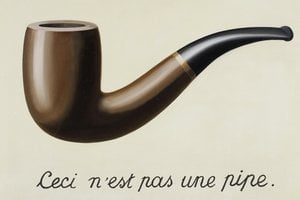
Delve into the profound mysteries of René Magritte’s Surrealism. Explore an expert analysis of 'The Treachery of Images,' decoding the philosophical paradoxes and visual subversions that redefined modern art history for collectors and connoisseurs alike.
Explore the profound symbolism of mirror images in fine art. From Surrealist distortions to classical self-portraits, discover how masters use reflections to explore reality, identity, and the infinite through a sophisticated art-historical lens.

Embark on a sophisticated journey through art history's most captivating masterpieces of reflection. Explore how legendary artists used mirrors to explore identity, surrealism, and the soul through expert art historical analysis.

Embark on a journey through the subconscious with our expert guide to Surrealism. Discover the profound symbolism of masters like Dalí and Ernst, exploring how dreamlike imagery reshaped art history and continues to inspire collectors and enthusiasts worldwide.

Explore the profound symbolism of mirrors in fine art history. From Surrealist distortions to Vanitas themes, discover how masters use reflections to capture reality and the metaphysical soul.

 Podgląd w skali
 Wyślij jako kartkę
 Udostępnij
 Szczegóły dzieła

 Pobierz
 Podobne obiekty
 RTG
RTG Pokaz slajdów

 Rozwiń treść







 Opcja ze szkłem jest dostępna wyłącznie w rozmiarach poniżej 110 cm