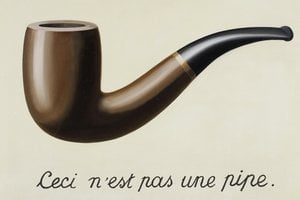
Dzieło sztuki prezentowane na tej stronie podlega ochronie prawem autorskim, co oznacza, że nie mamy prawa do tworzenia ani sprzedaży jego identycznej reprodukcji. Ochrona ta jest egzekwowana na mocy umów międzynarodowych, takich jak Konwencja berneńska oraz przez przepisy prawa krajowego, w tym te określone w Prawo autorskie USA – Tytuł 17.
Metoda ta jest w pełni zgodna z przepisami prawa autorskiego, ponieważ nie polega na kopiowaniu ani powielaniu chronionego dzieła. Stanowi ona kreatywną reinterpretację – nowy obraz, który czerpie inspirację z oryginału, ale nie jest z nim tożsamy.
Wydruki giclée lub płótna o jakości muzealnej, szybka realizacja i szeroki wybór opcji wykończenia. ( Zamów ręcznie malowaną reprodukcję Przejdź do wersji cyfrowej)





























Wybierz spośród naszych standardowych rozmiarów, które zachowują oryginalne proporcje dzieła sztuki.

Wpisz wymaganą szerokość i wysokość, aby dopasować grafikę do ramy lub ściany. Wydruk można jedynie przyciąć, nigdy nie powiększając go poza oryginalny obraz, dlatego format o innych proporcjach spowoduje utratę części kompozycji. Przed rozpoczęciem druku prześlemy Ci cyfrowy podgląd do zatwierdzenia. Obraz wyświetlany na tej stronie nie pokazuje rzeczywistego przycięcia — jedynie podgląd oddaje ten efekt.
Dostawa na cały świat () w ciągu 2 tygodni zamiast standardowych 4/5 tygodni. (10 Listopad)
Le jockey perdu
Wymiary reprodukcji
René Magritte’s “Le Jockey Perdù,” painted in 1926, stands as a cornerstone of Belgian surrealism and a testament to the artist's masterful manipulation of visual paradox. More than just a depiction of a horse rider under a luminous moon, this seemingly simple composition unravels layers of psychological complexity and invites contemplation on themes of identity, memory, and the elusive nature of reality itself.
The painting’s stark aesthetic—characterized by muted earthy tones contrasted against an intensely white lunar glow—immediately establishes a mood of quiet melancholy. Magritte eschews traditional realism, opting instead for a deliberate distortion that prioritizes suggestion over representation. The horse, positioned slightly off-center to the left, embodies stability and movement simultaneously; its lowered head hints at vulnerability while maintaining a posture indicative of purposeful action.
Historically situated within the burgeoning avant-garde scene of Brussels in the early 1920s, “Le Jockey Perdù” reflects the anxieties and intellectual ferment of its time. Magritte was deeply influenced by thinkers like Sigmund Freud and Carl Jung, whose theories on psychoanalysis explored the power of unconscious thought and symbolism. This fascination is evident in the painting’s deliberate ambiguity—the rider's obscured face symbolizes the hidden self, mirroring the artist’s own preoccupation with confronting inner demons.
Symbolism permeates every element of the artwork. The moon itself represents illumination but also concealment; it casts a spotlight on the horse and rider while simultaneously obscuring their faces, suggesting that what is seen may not be what truly exists. The lost jockey embodies the forgotten past—a figure adrift in space, representing the impermanence of experience and the difficulty of grasping fundamental truths.
“Le Jockey Perdù” transcends mere visual depiction; it’s an invitation to engage in a dialogue with the viewer about perception and memory. Its enduring appeal lies in its ability to provoke questions about how we interpret the world around us and what constitutes genuine understanding. A reproduction of this iconic artwork would bring a touch of Magritte's contemplative spirit into any interior space, fostering reflection and stimulating imaginative thought.
"Le jockey perdu" należy do nurtu Surrealist Movement, a jego twórca tworzył w epoce Modernizm.
"Le jockey perdu" powstało przy użyciu Acrylic On Canvas, w stylu Surrealist Movement.
Dla dzieła „Le jockey perdu” dostępna jest strona Statystyki wyświetleń. Przedstawia ona miesięczną liczbę odwiedzin tego dzieła oraz innych prac artysty, z podziałem na kraje i języki.

Magritte's enduring legacy lies in his ability to make us see the familiar anew, to question our assumptions about reality, and to appreciate the power of art to provoke thought and inspire wonder. He wasn’t simply painting images; he was crafting visual paradoxes that continue to resonate with viewers decades after their creation, solidifying his position as a true master of Surrealism and a pivotal figure in 20th-century art.

1898 - 1967 , Belgia

Odkryj historię sztuki krajobrazu – od romantycznych wizji Friedricha po surrealistyczne pejzaże Dalego. Analizy, inspiracje i reprodukcje obrazów najwyższej jakości na WahooArt.com.

Odkryj 10 arcydzieł romantyzmu w malarstwie! Poznaj historie Caspara Davida Friedricha, Turnera i innych mistrzów. Inspiracje wnętrzarskie & reprodukcje obrazów najwyższej jakości na WahooArt.com. Eksploruj kolekcję online!

Odkryj 25 arcydzieł Johna Constable'a – mistrza angielskiego krajobrazu! Poznaj romantyczne pejzaże, technikę malarską i inspiracje z Dedham Vale. Reprodukcje obrazów najwyższej jakości na WahooArt.com. Eksploruj pełną kolekcję online!

Explore the rich history of landscape art with WahooArt. Discover renowned artists, movements like Impressionism & Romanticism, and expert guidance for collecting timeless pieces. Find your perfect serene escape today!
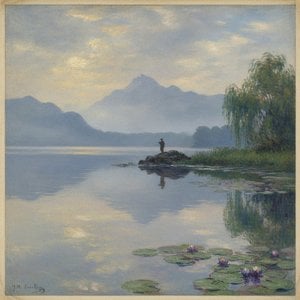
Journey through art history's most serene lake landscapes. From Romantic vistas to light-drenched Impressionist waters, discover the stories behind these iconic masterpieces and find museum-quality, hand-painted oil reproductions for your private collection.
 Podgląd w skali 1:1
 Wyślij jako kartkę
 Udostępnij
 Szczegóły dzieła
 Przewodnik

 Pobierz obraz
 Podobne obiekty
 RTG
RTG Pokaz slajdów
 Pytania i odpowiedzi
 Statystyki
 Rozwiń treść









 Opcja ze szkłem jest dostępna wyłącznie w rozmiarach poniżej 110 cm