A Life Bathed in Light: The World of Pierre Bonnard
Pierre Bonnard, urodzony w 1867 roku w podmiejskim Fontenay-aux-Roses, nie był skazany na życie zanurzone w artystycznym ekspresionizmie. Jego ojciec, wysokopostawny urzędnik w Ministerstwie Wojny Francuskim, wyobrażał sobie dla syna karierę prawniczą. Młody Pierre z pokorą podjął się studiów prawniczych, zdobywając dyplomę w 1888 roku, lecz jego serce należało do innego świata – fascynującego świata koloru i formy. Ta dwuznaczność, ten napięcie między oczekiwaniami a pasją, subtelnie wpłynęło na jego artystyczną drogę, nadając jej unikalne intymności. Początkowo eksperymentował z karykaturą, wyostrząc umiejętność obserwacji, która później rozkwitła w precyzyjnych przedstawieniach scen domowych. Jednak to w Académie Julian Bonnard naprawdę znalazł swój szlak, spotykając się z podobnie myślącymi towarzyszami, którzy odrzucili akademickie konwenanse i przyjęli ducha awangardy płynącego przez Paryż. To spotkanie doprowadziło go do Nabis – grupy artystów, w tym Maurice’a Denisa, Paula Sérusiera i Édouarda Vuillarda – którzy dążyli do napełnienia sztuką duchowości i symbolizmu, wychodząc poza proste przedstawienie ku eksploracji wewnętrznego doświadczenia.
The Nabi Years and the Cultivation of Intimacy
Asocjacja Bonnarda z Nabis okazała się kluczowa. Nacisk grupy na spłaszczone formy, odważne palety kolorów i odrzucenie tradycyjnej perspektywy rezonowało głęboko z jego artystycznymi predyspozycjami. Zainspirowany japońskimi drukami – ich eleganckimi liniami i harmonijnymi kompozycjami – oraz eksploracją emocji subiektywnych przez ruch symbolistyczny, Bonnard zaczął rozwijać swój charakterystyczny styl. Nie interesowały go wielkie narracje ani alegoryczne historie; zamiast tego skupił się na wewnętrznych przestrzeniach, koncentrując się na cichych momentach codziennego życia: kobieta kąpiąca się, rodzina zgromadzona na kolacji, słońce przebijające się przez ogród. Te sceny nie były jedynie przedstawieniami miejsc, lecz destylatami uczuć – wywołaniami wspomnień i atmosfery. Ten nacisk na intymność domową zyskał mu miano “Intymisty”, termin idealnie oddający emocjonalne bogactwo jego dzieł. Jego obrazy nie mówią *o tym*, co przedstawiają, lecz *jak* się w tych momentach czuje. Pracował od pamięci, szczegółowo szkicując i następnie przekładając te wrażenia na płótno z niezwykłą wrażliwością na światło i kolor. Nie szukał on realistycznego odwzorowania rzeczywistości, lecz raczej oddawania subiektywnego doświadczenia – emocji wywołanej przez kolory i formy.
Color as Emotion: A Master Colorist
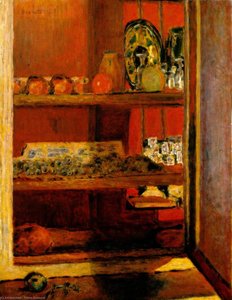
Mistrzostwo Bonnarda w zakresie koloru jest bez wątpienia jego najbardziej charakterystyczną cechą. Nie po prostu *używał* koloru; *czuł* go, pozwalając mu na kształtowanie nastroju i atmosfery jego obrazów. Jego paleta była żywa, lecz subtelna, często wykorzystując nieoczekiwane kombinacje, które tworzyły wrażenie lśniącej luminescencji. Słynne było to, że Bonnard wielokrotnie wracał do ukończonych obrazów, delikatnie dostosowując kolory na wielu płótnach, aby osiągnąć doskonałą harmonię – świadectwo jego obsesyjnego zaangażowania w równowagę chromatyczną. Nie chodziło o realistyczne przedstawienie; chodziło o uchwycenie subiektywnego doświadczenia koloru, jego zdolności do wywoływania emocji i wspomnień. Bonnard porzucił bezpośrednią obserwację, preferując zamiast tego malowanie od pamięci, co pozwalało mu na wplecenie w swoje sceny elementu marzenia. Jego krajobrazy nie były jedynie przedstawieniami miejsc, lecz reakcjami emocjonalnymi na nie – filtrowanymi przez pryzmat osobistego doświadczenia.
Later Life and Lasting Legacy
W miarę dojrzewania Bonnard coraz bardziej skupiał się na eksploracji koloru i światła. Spędzał coraz więcej czasu w południowej Francji, podziwiając intensywność luminescencji śródziemnomorskiego krajobrazu. Jego związek z Marthe de Meligny, jego żoną i nieodłączną muzą, pozostał centralnym punktem jego życia i twórczości. Ona często pojawiała się na jego obrazach, zwykle przedstawiana w trakcie kąpieli lub angażowana w codzienne czynności, emanując spokojną gracją i intymnością. W 1912 roku kupił “La Roulotte” w Vernonnet, niedaleko Giverny, nawiązując bliską przyjaźń z Claudem Monétem – mistrzem impresjonizmu. Ta bliskość z mistrzem impresjonizmu dodatkowo pobudziła jego eksplorację światła i koloru, choć zawsze zachował swój własny, odrębny artystyczny wizję. Kontynuował malowanie do niedługo przed śmiercią w 1947 roku, pozostawiając po sobie dzieło sztuki, które nadal fascynuje i inspiruje. Wpływ Bonnarda na kolejne pokolenia artystów jest niezaprzeczalny. Jego nacisk na subiektywne doświadczenie, mistrzostwo w zakresie koloru i celebracja codziennego życia pozostawiły trwałe ślady w sztuce nowoczesnej. Pokazał, że piękno można znaleźć nie w wielkich gestach ani heroicznych historiach, lecz w cichych momentach życia – oświetlonych światłem i nacechowanych emocjami.
Notable Works & Collections
- Woman in Checkered Dress (1890): Wczesny przykład jego stylu inspirowanego Nabis, prezentujący spłaszczone formy i odważne kombinacje kolorów.
- The Dining Room (1913): Charakterystyczna scena Intymisty, uchwycona ciepłem i intymnością życia domowego.
- Bowl of Fruit (c. 1933): Demonstruje jego mistrzostwo w przedstawieniu obiektów, z żywymi kolorami i wrażeniem luminescencji głębi.
- The Almond Tree in Blossom (1947): Jedno z ostatnich dzieł, ukończone kilka dni przed śmiercią, prezentujące kontynuację eksploracji koloru i światła.
Bonnard’s works can be found in prominent museums worldwide, including:
- Musée Marmottan Monet, Paris, France
- Art Institute of Chicago
- Museum of Modern Art, New York City
- Tate Modern, London



 Podgląd w skali
 Przełącz na wydruki
 Wyślij jako kartkę
 Udostępnij
 Szczegóły dzieła

 Pobierz
 Podobne obiekty
 RTG
RTG Pokaz slajdów
 Statystyki


 Rozwiń treść






































 Opcja ze szkłem jest dostępna wyłącznie w rozmiarach poniżej 110 cm