x
Podgląd w skaliPodgląd w skali Podgląd ARPodgląd AR Zamów wydruk Zamów wydrukKup obraz wysokiej rozdzielczości Kup obraz wysokiej rozdzielczości Wyślij jako kartkęWyślij jako kartkę
Szczegóły dziełaSzczegóły dzieła Dodaj do ulubionych Dodaj do ulubionych PobierzPobierz Podobne obiektyPodobne obiekty RTGRTG Pokaz slajdówPokaz slajdów

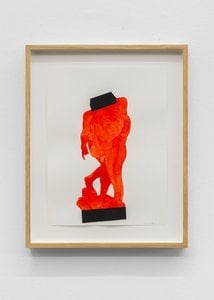
Life Forms 304 , 2003

Spanish sculptor Pello Irazu Mendizabal creates architectural & design-inspired sculptures. Key figure in Basque sculpture renewal, known for innovative forms & function.

Ręcznie malowana reprodukcja olejowa

Ręcznie malowany obraz olejny na płótnie, wykonany na zamówienie przez naszych artystów w wybranym przez Ciebie wymiarze i oprawie. (Zamów wydruk Zamów wydrukKup obraz wysokiej rozdzielczości Kup obraz wysokiej rozdzielczości)

Standardowy rozmiar
na wymiar
CM
INCH

Wybierz spośród naszych standardowych rozmiarów, które zachowują oryginalne proporcje dzieła sztuki.

szerokość
wysokość

Możesz wprowadzić własne wymiary, aby dopasować obraz do konkretnej ramy lub przestrzeni. Jeśli wybrany rozmiar nie będzie odpowiadał proporcjom oryginału, przytniecie dzieło sztuki lub rozszerzymy je o dodatkowe elementy, ręcznie domalowane przez artystę. Przed rozpoczęciem produkcji wyślemy projekt cyfrowy do Twojej akceptacji.
Należy pamiętać, że podgląd na ekranie nie odzwierciedla rzeczywistego przycinania ani rozszerzania obrazu. Tylko projekt dokładnie pokaże ostateczną kompozycję.
Choć oferujemy możliwość zamówienia niestandardowych rozmiarów, zalecamy wybór wymiaru z gotowej listy, aby zachować oryginalne proporcje dzieła.

Przykłady możliwych zmian: Zamień twarz na zdjęcie klienta; Dodaj zwierzę domowe (np. zamień kota na psa); Ukryj wiadomość w tle; Zmień krajobraz lub elementy tła.
Po złożeniu zamówienia zespół WahooArt.com skontaktuje się z klientem drogą mailową w celu uzyskania instrukcji i prześle wizualizację projektu

Dostawa na całym świecie () w ciągu 3–4 tygodni zamiast standardowych 5 tygodni. (5 Wrzesień). Bez kompromisów w kwestii jakości.

why_choose_icon
Bezpłatna ekspresowa wysyłka na cały świat
why_choose_icon
Wysokiej jakości płótno lniane
why_choose_icon
Pełne ubezpieczenie przesyłki
why_choose_icon
Gwarancja zwrotu należności celnych i podatków importowych
why_choose_icon
Gwarancja wiernego odwzorowania kolorów
why_choose_icon
Polityka 60-dniowego zwrotu (tylko w przypadku wad)
why_choose_icon
Gwarancja 100% zwrotu kosztów
why_choose_icon
Zniżka przy zamówieniu wielu produktów

Suma całkowita

$ 272

reproduction

Life Forms 304 , 2003

Technika reprodukcji

Wymiary reprodukcji

-

Cena całkowita

$ 272

Life Forms 304 is an installation specifically conceived for the Guggenheim Museum Bilbao

O artyście

Pello Irazu Mendizabal: Sculpting the Basque Landscape and Beyond

Born in Ordoñez de Reye, Spain, in 1963 – specifically in Andoain, a town steeped in Basque history and tradition – Pello Irazu Mendizabal’s artistic journey is inextricably linked to his homeland. He emerged as a key figure in the revitalization of Basque sculpture during the 1980s, a period marked by a renewed interest in regional identity and artistic expression. His work isn't merely about creating objects; it’s an exploration of space, form, and the relationship between the viewer and the artwork – a dialogue that challenges conventional notions of sculpture and invites profound contemplation.

Early Influences and Artistic Foundations

Irazu’s early artistic development was profoundly shaped by Jorge Oteiza, a towering figure in Basque sculpture. Oteiza's philosophy centered on the idea that form should be intrinsically linked to its function, rejecting decorative excess in favor of pure geometric abstraction. Irazu initially embraced this approach, meticulously studying Oteiza’s use of space and his commitment to stripping away superfluous elements. However, he quickly began to diverge, incorporating industrial materials – steel, wood, plywood – into his work, a shift that signaled a move towards a more tactile and experiential engagement with the viewer. This experimentation was further fueled by his time in London and New York, exposing him to diverse artistic currents including minimalism and post-minimalism.

  • London (1989): A year spent absorbing international art trends.
  • New York (1990-1998): Crucial period of experimentation with materials like plywood and plastic, leading to a new visual language.

A Shift Towards Hybridity: Sculpture, Painting, and Photography

Irazu’s artistic practice underwent a significant transformation in the late 1980s and early 1990s. He began to challenge the traditional boundaries between sculpture, painting, and photography. He famously started applying paint directly to walls, creating mural-like compositions that integrated three-dimensional elements – objects, forms, and arrangements – into a single, unified space. This blurring of genres was not merely stylistic; it reflected a deeper interrogation of perception and representation. He deliberately disrupted the established hierarchy between foreground and background, forcing the viewer to actively participate in constructing meaning.

His work during this period frequently referenced domestic spaces, deconstructing familiar objects and reassembling them in ways that created a sense of disorientation and intrigue. The use of scrap paper, often printed, further complicated the visual landscape, layering references and challenging the notion of a singular, fixed image. This approach aligns with conceptualism, prioritizing ideas and processes over purely aesthetic concerns.

Major Works and Institutional Recognition

Irazu’s sculptures have been recognized by some of the most prestigious institutions in Spain and internationally. His work is featured prominently in collections such as the Bilbao Fine Arts Museum, the Reina Sofía Museum, the MACBA (Barcelona), the ARTIUM (Vitoria), the San Diego Museum of Contemporary Art, and the Guggenheim Museum Bilbao. Notable pieces include *Corazón* (1989) and *Plural* (1991), which are held in the Fundació Suñol’s collection, showcasing his early explorations with spatial relationships and material experimentation.

  • Corazón (1989): A foundational work demonstrating his initial engagement with Oteiza's principles.
  • Plural (1991): Illustrates his evolving approach to space and form.

Contemporary Significance and Ongoing Exploration

Pello Irazu’s contribution to contemporary sculpture extends beyond mere stylistic innovation. He has consistently pushed the boundaries of what sculpture can be, questioning established conventions and inviting viewers to reconsider their relationship with art and space. His work continues to evolve, incorporating new technologies and reflecting on themes of representation and perception. He remains a vital voice in the Basque artistic landscape, embodying a spirit of experimentation, intellectual rigor, and a deep connection to his cultural heritage. His ongoing exploration of form, function, and the interplay between different media ensures that his legacy as one of the most significant sculptors of our time will continue to grow.

pello irazu mendizabal

pello irazu mendizabal

1963 - , Spain

Krótka nota

  • Artistic Movement Or Style: Constructive sculpture, Minimalism, Conceptualism
  • Artists Or Movements Influenced By This Artist: ['Joseph Beuys']
  • Artists Who Influenced This Artist: ['Jorge Oteiza']
  • Date Of Birth: 1963
  • Full Name: Pello Irazu Mendizabal
  • Nationality: Spanish
  • Notable Artworks:
    • Corazón
    • Plural
  • Place Of Birth: Andoain, Spain