DARMOWA KONSULTACJA ARTYSTYCZNA

x
Zamów wydruk Zamów wydrukZamów reprodukcję Zamów reprodukcję UdostępnijUdostępnij
Szczegóły dziełaSzczegóły dzieła Dodaj do ulubionych Dodaj do ulubionych PobierzPobierz Podobne obiektyPodobne obiekty RTGRTG Pokaz slajdówPokaz slajdów

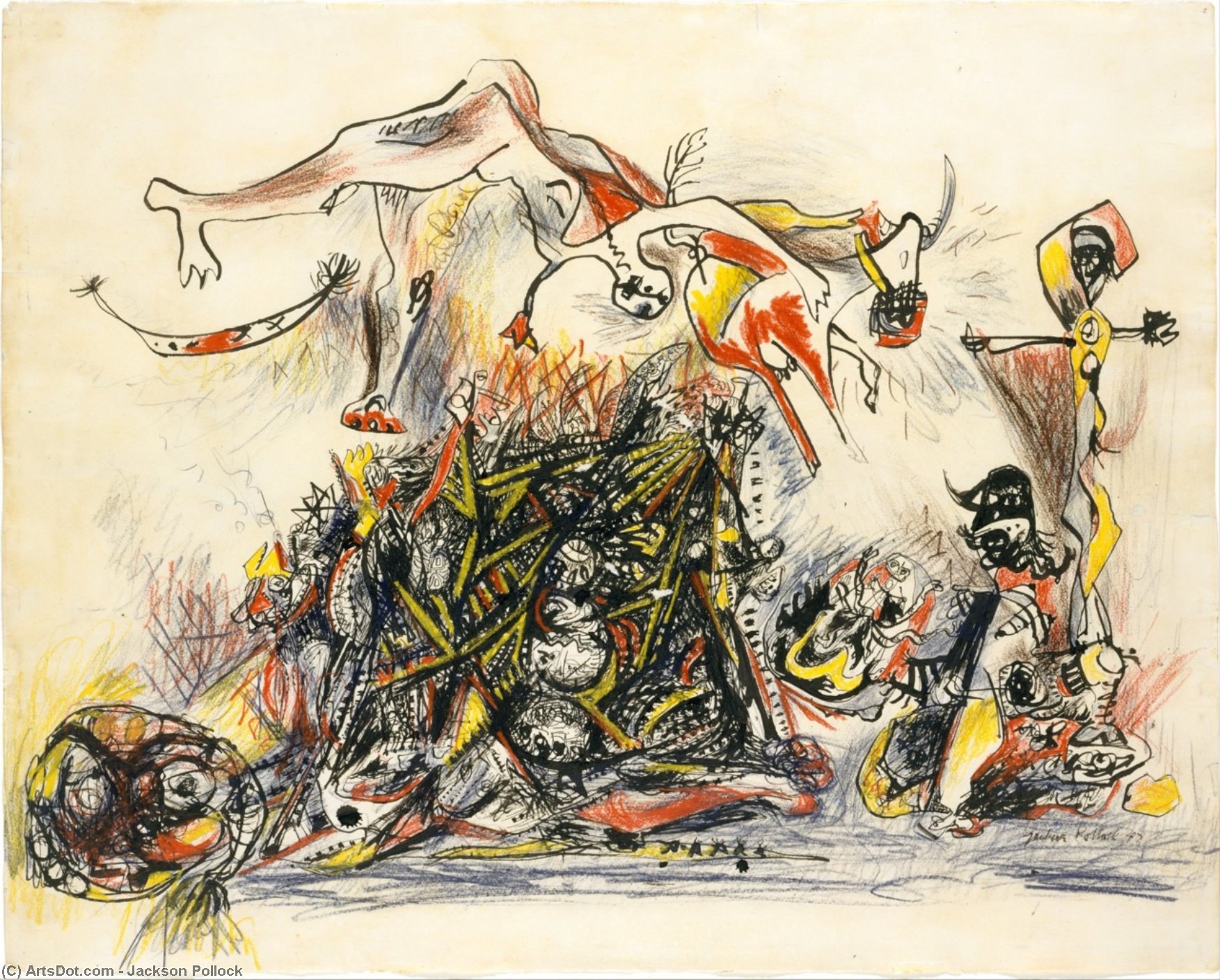
War

Paul Jackson Pollock (1912-1956) – amerykański malarz, pionier ekspresjonizmu abstrakcyjnego i techniki "dripping". Znany z dynamicznych, spontanicznych obrazów, które rewolucjonizowały sztukę XX wieku. #Pollock #sztukaabstraktna

Kup wysokiej rozdzielczości, ulepszony obraz cyfrowy, znacznie lepszy niż podgląd online.

Każdy plik jest starannie przygotowywany przez naszych specjalistów przy użyciu zaawansowanych narzędzi oraz profesjonalnej, ręcznej retuszy. Dbamy o to, aby każdy obraz cechował się wyjątkową ostrością, precyzyjnym odwzorowaniem kolorów i subtelnymi detalami.

Ostateczny plik dostarczany jest drogą mailową w ciągu 72 godzin, zoptymalizowany do natychmiastowego wykorzystania w profesjonalnych zastosowaniach redakcyjnych i poligraficznych. To ta sama jakość, której ufają czołowe studia projektowe, wydawnictwa oraz galerie sztuki.

Obraz cyfrowy

Pobierz plik o wysokiej rozdzielczości do osobistego wyświetlania, druku oraz projektów kreatywnych.

Suma do zapłaty

$9.99

Zawarte w każdym zamówieniu na obraz cyfrowy

Profesjonalna dostawa cyfrowa, gwarantowana

Wybierając WahooArt.com, nie otrzymujesz jedynie obrazu – otrzymujesz profesjonalnie udoskonalone cyfrowe dzieło sztuki, stworzone z najwyższą precyzją i objęte gwarancją satysfakcji. Oto wszystko, co automatycznie dołączane jest do Twojego zamówienia:

shipping_icon
Błyskawiczna wysyłka e-mailowa

Plik z obrazem cyfrowym w wysokiej rozdzielczości zostanie przesłany na Twój adres e-mail w ciągu 72 godzin od złożenia zamówienia – gotowy do natychmiastowego użycia.

canvas_icon
Plik cyfrowy wzbogacony przez AI

Twoja grafika została profesjonalnie zoptymalizowana przy użyciu zaawansowanych narzędzi AI oraz ręcznej edycji, co zapewnia maksymalną szczegółowość, klarowność i wierność kolorów.

insurance_icon
Dożywotnia darmowa ponowna dostawa

Przypadkowo usunąłeś lub zgubiłeś swój plik? Bez obaw – prześlemy go Tobie ponownie w dowolnym momencie, bez żadnych opłat.

tax_icon
Bez opłat importowych – zawsze

Ciesz się swoją sztuką natychmiast, bez żadnych opłat celnych, należności ani kosztów dostawy – pliki cyfrowe są zawsze wolne od podatku.

color_icon
Gwarancja wierności kolorów

Dzięki zastosowaniu profesjonalnych narzędzi i procesów zarządzania barwą zapewniamy, że Twoje cyfrowe zdjęcie odzwierciedla oryginalne kolory tak wiernie, jak to tylko możliwe.

return_icon
60-dniowa gwarancja satysfakcji

Jeśli nie będziesz zadowolony ze swojego cyfrowego obrazu, poprawimy go lub zwrócimy 100% kosztów w ciągu 60 dni – bez żadnych pytań.

guarantee_icon
100% Gwarancja zwrotu pieniędzy

Nie zadowoleni? Otrzymaj pełny zwrot kosztów w ciągu 60 dni od otrzymania pliku cyfrowego – bez zbędnych pytań.

discount_icon
Rabaty na zamówienia hurtowe

Kup 3 obrazy, oszczędź 10% - Kup 5, oszczędź 15% - Kup 10+, oszczędź 20%. Idealne do projektów kreatywnych, galerii i agencji.

Szybkie fakty

  • Title: War
  • Medium: Ink & Colored Pencils
  • Notable elements: Drip technique, figures
  • Artistic style: Chaotic, dynamic
  • Dimensions: 20 5/8 in x 26 in
  • Subject or theme: Conflict, turmoil
  • Influences:
    • Picasso
    • Siqueiros

Quiz o sztuce

Na każde pytanie istnieje tylko jedna poprawna odpowiedź.

Pytanie 1:
What artistic movement is Jackson Pollock most closely associated with?
Pytanie 2:
The painting 'War' primarily evokes which of the following emotions?
Pytanie 3:
Which artist’s style is most reminiscent of Jackson Pollock's 'War'?
Pytanie 4:
What technique is most prominently featured in Jackson Pollock’s ‘War’?
Pytanie 5:
The painting 'War' was created during which historical period?

Opis obiektu kolekcjonerskiego

War: A Descent into Chaos – Jackson Pollock’s Post-Traumatic Masterpiece

Jackson Pollock's *War*, painted in 1947, isn’t merely a canvas splashed with color; it’s a visceral embodiment of the anxieties and turmoil gripping America in the aftermath of World War II. This monumental work, rendered in thick layers of black ink and colored pencil on paper, plunges the viewer into a maelstrom of fragmented figures, violent gestures, and unsettling symbols – a direct reflection of the psychological landscape of a nation grappling with unprecedented devastation and uncertainty. The painting’s power lies not in representational accuracy but in its raw emotional intensity, a hallmark of Jackson Pollock's pioneering approach to Abstract Expressionism. It’s a piece that demands attention, inviting contemplation on themes of conflict, loss, and the enduring scars of war.

The Language of Drip: Technique and Process

Pollock’s signature “drip” technique is utterly central to *War*'s impact. He abandoned traditional brushwork, instead pouring, dripping, and splattering paint directly onto the canvas laid flat on the floor – a revolutionary act that liberated him from the constraints of easel painting. This method wasn't random; it was meticulously controlled chaos. The layering of ink creates a dense, almost sculptural surface, punctuated by sharp lines and frantic bursts of color—primarily black, red, and yellow—that seem to writhe with barely contained energy. Notice how he utilizes both linear strokes and areas of broad, diffused color, creating a dynamic tension between order and disorder. The sheer physicality of the process is evident in the visible texture and the sense that the painting was actively *made*, rather than passively observed. It’s as if Pollock wrestled with his demons onto the surface, channeling his anxieties into this monumental expression.

Abstract Expressionism: A Reflection of a Fractured World

*War* stands as a pivotal example of Abstract Expressionism, an artistic movement that exploded in New York during the 1940s and 50s. Rejecting European traditions, American artists like Pollock sought to express raw emotion and subjective experience through non-objective forms. Unlike earlier movements focused on depicting reality, Abstract Expressionists aimed to capture the inner world—the anxieties, fears, and hopes—of the individual. *War* embodies this ethos perfectly, eschewing recognizable imagery in favor of a symbolic language that speaks directly to the viewer’s subconscious. It's deeply connected to the broader cultural context of the post-war era, a time marked by disillusionment, fear of nuclear annihilation, and a profound sense of societal upheaval.

Decoding the Symbols: Figures of Conflict and Despair

The painting is populated with unsettling figures—human and animal—engaged in what appears to be a chaotic battle or ritualistic sacrifice. A hooded figure, reminiscent of Christ on the cross, dominates the right side of the composition, while a bull, often associated with primal instincts and aggression, looms over a pile of human debris. The fragmented nature of these forms suggests a breakdown of order and humanity, mirroring the devastation of war. The presence of the animal adds another layer of complexity, hinting at the brutal, instinctual forces that drive conflict. Some art historians have linked the imagery to Picasso’s *Guernica*, suggesting a dialogue between two artists grappling with the horrors of modern warfare. The overall effect is profoundly disturbing, forcing the viewer to confront the uncomfortable realities of violence and loss.

A Legacy of Raw Emotion: Pollock's Enduring Impact

*War* remains a powerfully resonant work, not just for its historical significance but also for its enduring emotional impact. It’s a testament to Jackson Pollock’s innovative technique and his willingness to explore the darkest corners of the human psyche. Reproductions of *War*, offered by WahooArt.com, allow you to bring this monumental piece into your own space, experiencing its raw energy and unsettling beauty firsthand. Its continued relevance speaks volumes about the timeless nature of art's ability to capture and convey the complexities of the human experience—particularly in times of profound turmoil. Consider exploring other works by Pollock, Mark Rothko, or Lee Krasner – artists who similarly sought to express the emotional realities of their era through bold, innovative approaches to painting.

Podobne dzieła sztuki


Biografia artysty

Early Life and the Seeds of Innovation

Paul Jackson Pollock, born in Cody, Wyoming, in 1912, was a restless spirit from the outset. His early life was marked by frequent relocation as his father pursued work as a land surveyor across the vast landscapes of the American West. This itinerant existence instilled in young Pollock a deep connection to the natural world and an exposure to diverse cultures, particularly through encounters with Native American art during those surveying trips – impressions that would subtly permeate his artistic vision later in life. Though he never explicitly imitated Indigenous styles, the raw energy and spiritual resonance of these early experiences undoubtedly left their mark.

Pollock’s formal artistic training began at the Manual Arts High School in Los Angeles, followed by studies at the Art Students League of New York under the tutelage of Thomas Hart Benton. Benton, a prominent figure in the Regionalist movement, emphasized rhythmic composition and narrative themes rooted in American life. While Pollock initially absorbed these lessons, his inherent inclination leaned toward more abstract explorations. He was also profoundly impacted by Mexican muralists like José Clemente Orozco, whose powerful depictions of social struggle resonated deeply with him. These early influences laid a foundation, but it was the burgeoning world of Surrealism that truly unlocked Pollock’s artistic potential.

The Birth of Action Painting and a Revolutionary Technique

The 1930s saw Pollock experimenting with various techniques, seeking alternatives to traditional brushwork. He began pouring paint, exploring its fluidity and unpredictable nature. However, it was around 1947 that his artistic trajectory underwent a radical transformation. Abandoning the easel altogether, Pollock laid canvases directly on the floor, initiating what would become known as his “drip technique.” He then proceeded to drip, splash, and fling paint onto the canvas from above, orchestrating a dynamic dance between artist, medium, and surface.

This wasn’t merely about applying paint; it was about embodying the act of creation itself. Pollock's canvases became arenas for physical expression, capturing the immediacy of his gestures and emotions. The resulting paintings are characterized by their “all-over” composition – a lack of central focus that invites the viewer to explore the entire surface as a unified field of energy. Intricate networks of lines and colors intertwine, creating a visual complexity that is both captivating and challenging. He employed unconventional tools—sticks, knives, even syringes—to manipulate the paint in unpredictable ways, further emphasizing the spontaneous nature of his process.

Pollock’s approach was deeply influenced by Jungian psychology, seeking to tap into universal symbols and primal energies. The paintings became a record of this performance, imbued with the artist's physical presence and emotional intensity. The dynamic energy that emanates from these canvases is palpable, drawing viewers into a world of pure abstraction.

Iconic Works and Lasting Legacy

Pollock’s most celebrated works—such as Number 1, 1950 (Lavender Mist), One: Number 31, 1950, Blue Poles: Number 11, 1952, and Convergence—are testaments to his revolutionary technique. These paintings are not simply images; they are records of a performance, imbued with the artist’s physical presence and emotional intensity. The dynamic energy that emanates from these canvases is palpable, drawing viewers into a world of pure abstraction.

His style transcends mere aesthetics; it's an exploration of process over product. Pollock sought to capture the immediacy of his actions and emotions on canvas, rejecting traditional notions of composition and representation. He delved into Jungian psychology, exploring archetypes and the subconscious in his art, seeking to tap into universal symbols and primal energies.

Influence and Recognition

Pollock’s work quickly gained recognition within the burgeoning Abstract Expressionist movement, challenging established artistic norms and paving the way for future generations of artists. His innovative approach influenced a wide range of painters, including Lee Krasner, his wife and collaborator, who played a crucial role in shaping his artistic vision. Despite initial skepticism from some critics, Pollock’s reputation steadily grew throughout the 1950s, culminating in a landmark retrospective exhibition at the Museum of Modern Art in New York City in 1967. This event solidified his place as one of the most important and influential artists of the 20th century.

His legacy extends beyond the art world, impacting popular culture and inspiring countless individuals to embrace creativity and self-expression. Jackson Pollock’s daring experimentation with materials and techniques continues to resonate today, reminding us of the power of art to transcend boundaries and capture the essence of human experience.

Jackson Pollock

Jackson Pollock

1912 - 1956 , Stany Zjednoczone

Krótka nota

  • Artistic Movement Or Style: Ekspresjonizm abstrakcyjny
  • Artists Or Movements Influenced By This Artist: ['Color Field painting']
  • Artists Who Influenced This Artist: ['Thomas Hart Benton']
  • Date Of Birth: 28 stycznia 1912
  • Date Of Death: 11 sierpnia 1956
  • Full Name: Paul Jackson Pollock
  • Nationality: Amerykański
  • Notable Artworks:
    • Number 1, 1950
    • Blue Poles
    • Convergence
  • Place Of Birth: Cody, Wyoming