


Druk giclée lub płótno o jakości muzealnej, szybka realizacja i szeroki wybór opcji wykończenia. ( Zamów ręcznie malowaną reprodukcję Kup obraz wysokiej rozdzielczości)





























Wybierz spośród naszych standardowych rozmiarów, które zachowują oryginalne proporcje dzieła sztuki.

Możesz wprowadzić własne wymiary, aby dopasować dzieło do konkretnej ramy lub przestrzeni. Jeśli wybrany rozmiar nie będzie odpowiadał proporcjom oryginalnego obrazu, przytniecie dzieło lub rozszerzymy obraz za pomocą odbicia lustrzanego lub jednolitego wypełnienia krawędzi. Przed rozpoczęciem produkcji prześlemy cyfrową wizualizację do Twojej akceptacji.
Prosimy pamiętać, że podgląd na ekranie nie odzwierciedla faktycznego przycinania ani rozszerzania. Tylko wizualizacja dokładnie pokaże końcową kompozycję.
Mimo dostępności niestandardowych rozmiarów, zalecamy wybór wymiaru z listy zdefiniowanej, aby zachować oryginalne proporcje.
Dostawa na cały świat () w ciągu 2 tygodni zamiast standardowych 4/5 tygodni. (6 Wrzesień)


Don Quixote (146)
Wymiary reprodukcji
Gustave Doré’s “Don Quixote” isn't merely an illustration; it’s a distillation of Cervantes’ epic tale into a powerfully emotive monochrome print. Executed in the Romantic style, Doré captures not just the narrative action but also the psychological landscape inhabited by Don Quixote and Sancho Panza—a realm where idealism clashes with disillusionment.
The artwork’s breathtaking detail stems from Doré's masterful application of engraving technique. Working on a copper plate, he meticulously incised lines using specialized tools, creating an astonishingly intricate surface texture that conveys both the ruggedness of the Spanish countryside and the palpable tension within the scene. Cross-hatching—the layering of intersecting lines—becomes Doré’s primary tool for achieving tonal variation, subtly shading figures and backgrounds to create a sense of depth and atmosphere.
Doré skillfully orchestrates the visual narrative, positioning Don Quixote and his horse Rocinante prominently in the center frame. The inclusion of Sancho Panza—a grounding presence representing pragmatism—and a reciting poet adds layers of symbolic significance. The receding hillside serves as an anchor for the eye, guiding viewers into the heart of the drama and emphasizing the vastness of Don Quixote’s aspirations against the backdrop of a desolate landscape.
The bleak hilltop setting is deliberately chosen to mirror the protagonist's internal struggle—a confrontation with the harsh realities of existence juxtaposed against his unwavering belief in chivalric ideals. Doré’s muted palette reinforces this mood, conveying melancholy and introspection while simultaneously hinting at the enduring power of imagination and perseverance. The poet’s presence symbolizes the importance of contemplation and artistic expression amidst adversity.
Doré’s “Don Quixote” exemplifies Romantic realism—a movement that sought to depict subjects with unflinching honesty while retaining a heightened sense of emotional intensity. His meticulous attention to detail, combined with his expressive use of line and tone, cemented his place as one of the most influential illustrators of his era. Today, reproductions of this iconic artwork continue to inspire awe and admiration for Doré’s unparalleled artistic vision.


1832 - 1883 , Francja

Explore the captivating world of Gustave Doré, master of Romantic realism & iconic illustrator. Discover his dramatic wood engravings, paintings, and sculptures – a legacy shaping art history. Learn more at WahooArt.
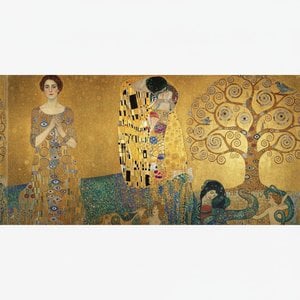
Odkryj 25 arcydzieł Gustava Klimta – od 'Pocałunku' po 'Kobietę w złocie'. Poznaj historię, symbolikę i technikę malarstwa secesyjnego. Reprodukcje najwyższej jakości na WahooArt.com! Eksploruj pełną kolekcję online.

Explore 10 defining masterpieces of Romantic Realism! Discover Courbet, Millet & Daumier's powerful paintings—capturing emotion and social realities. Find museum-quality reproductions for your home at WahooArt.com.

Odkryj fascynujący świat ilustracji wiktoriańskiej! Studium narracji, technik graficznych i symboliki XIX wieku. Poznaj wybitnych artystów i ich wpływ na współczesną sztukę. Ekspercka analiza dla miłośników historii sztuki.

Explore the captivating world of Angelo Chiacchio, a master of mid-century American illustration. Discover his evolution, signature style, and lasting impact on commercial art & design. Learn about his legacy at the Museum of American Illustration.

 Podgląd w skali
 Wyślij jako kartkę
 Udostępnij
 Szczegóły dzieła

 Pobierz
 Podobne obiekty
 RTG
RTG Pokaz slajdów
 Rozwiń treść







 Opcja ze szkłem jest dostępna wyłącznie w rozmiarach poniżej 110 cm


