O artyście
Początki i Formowanie się Wizji: Życie Paula Cézanne’a
Paul Cézanne, urodzony 19 stycznia 1839 roku w Aix-en-Provence, był postacią przełomową, łączącą świat impresjonistycznych wrażeń z fragmentarycznymi formami kubizmu. Jego droga nie była usiana natychmiastowym uznaniem; raczej stanowiła powolny proces artystycznej eksploracji, naznaczony okresami zwątpienia i krytyki, który ostatecznie doprowadził do spuścizny na trwałe zmieniającej bieg historii sztuki. Cézanne pochodził z zamożnej rodziny – jego ojciec był początkowo kapelusznikiem, a później bankierem – co zapewniało mu rzadko spotykane bezpieczeństwo finansowe, pozwalając mu poświęcić się pasji bez natychmiastowej presji komercyjnego sukcesu. Początkowo skierowany przez ojca na studia prawnicze, uległ jednak sile wyrazu artystycznego i ostatecznie porzucił prawo na rzecz malarstwa, decyzji która zdefiniowała jego życie. Wczesne inspiracje czerpał z romantyzmu panującego w młodości oraz dbałości o krajobraz charakterystycznej dla szkoły Barbizońskiej, jednak to spotkania z artystami takimi jak Paul Gauguin i Georges Seurat, a ich innowacyjnymi podejściami do koloru i formy, pozwoliły Cézanne’owi wytyczyć własną, niepowtarzalną ścieżkę.
Od Ciemności do Struktury: Ewolucja Stylu
Wczesne prace Cézanne’a często odzwierciedlały dramatyczne, emocjonalnie naładowane tematy charakterystyczne dla malarstwa romantycznego – ciemne palety i ekspresyjny pociągnięcie pędzlem dominowały w jego kompozycjach. Ta początkowa faza była jednak jedynie trampoliną do znacznie bardziej analitycznego i przełomowego podejścia. Niezadowolony z prostego uchwycenia ulotnych wrażeń świetlnych, jak to czynili impresjoniści, Cézanne podjął próbę zrozumienia i przedstawienia ukrytej struktury samych obiektów. Dążył nie tylko do tego, *co* widział, ale przede wszystkim do tego, *jak* postrzegał fundamentalne formy stanowiące rzeczywistość. To doprowadziło go do rozkładania naturalnych kształtów na ich geometryczne odpowiedniki – stożki, cylindry, kule – wyprzedzając rewolucję kubistyczną o dekady. Jego technika charakteryzowała się drobnymi, powtarzalnymi pociągnięciami pędzla, starannie nakładanymi warstwami w celu budowania złożonych pól koloru i tekstury, tworząc poczucie solidności i głębi wcześniej niespotykane w malarstwie. Nie interesowała go iluzoryczna przestrzeń; zamiast tego często prezentował obiekty z wielu punktów widzenia jednocześnie, kwestionując tradycyjne pojęcia perspektywy i zmuszając widza do aktywnego zaangażowania się w konstruowany charakter jego kompozycji. To celowe zniekształcenie nie było arbitralne, lecz stanowiło próbę przekazania pełniejszego zrozumienia formy, reprezentując nie tylko pojedynczy moment w czasie, ale syntezę percepcji.
Krajobrazy, Martwe Natury i Forma Ludzka: Kluczowe Dzieła i Powracające Motywy
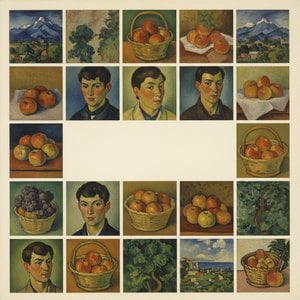
Twórczość Cézanne’a jest niezwykle różnorodna, obejmując krajobrazy, martwe natury, portrety i przedstawienia kąpiących się, jednak wszystkie łączy jego unikalne podejście do formy i koloru. Staw w Jas de Bouffan, namalowany w 1880 roku, jest przykładem jego pracy krajobrazowej, ukazując zdolność do uchwycenia istoty natury poprzez staranne ułożenie kształtów i tonów. Portret Émile’a Zoli, stworzony w 1866 roku, ujawnia rozwój jego stylu i oferuje przekonujący wgląd w intelektualną intensywność bliskiego przyjaciela i współczesnego pisarza. Jego martwe natury, takie jak te z jabłkami i innymi owocami, nie są jedynie reprezentacjami obiektów, lecz eksploracją objętości, światła i relacji przestrzennych. Seria Mont Sainte-Victoire stała się obsesją Cézanne’a, powracającym motywem, który pozwolił mu niestrudzenie badać formę i perspektywę przez dziesięciolecia. Te obrazy nie są jedynie przedstawieniami góry; to studia nad tym, jak postrzegamy głębię, objętość i grę światła i cienia. Wreszcie, jego seria Kąpiących się, przedstawiająca nagie postaci w idyllicznych krajobrazach, reprezentuje pogłębioną eksplorację ludzkiej formy i jej związku z naturą, często przesyconą poczuciem ponadczasowości i cichej kontemplacji.
Spuścizna Wykuta Innowacją: Wpływ Cézanne’a na Sztukę Współczesną
Wpływ Paula Cézanne’a na kolejne pokolenia artystów jest nieoceniony. Powszechnie uważany za „ojca sztuki współczesnej” ze względu na przełomowy wkład w język obrazowania, torując drogę wielu głównym ruchom artystycznym XX wieku. Pablo Picasso i Georges Braque byli głęboko wdzięczni Cézanne’owi za nacisk na geometryczne formy i wielokrotne perspektywy, które stały się centralnymi zasadami kubizmu. Jego śmiałe użycie koloru zainspirowało również ruch fauwistyczny, prowadzony przez artystów takich jak Henri Matisse, którzy przyjęli żywe, nienaturalne odcienie. Nawet artyści surrealistyczni znaleźli rezonans w eksploracji subiektywnej percepcji i głębi psychicznej Cézanne’a. Poza konkretnymi ruchami, upór Cézanne’a na osobistą wizję artysty i odrzucenie tradycyjnych akademickich ograniczeń uwolniło pokolenia malarzy do eksplorowania nowych form ekspresji. Podważył on samą definicję reprezentacji, przesuwając nacisk z imitacji rzeczywistości na konstruowanie doświadczenia wizualnego opartego na ukrytej strukturze i subiektywnej percepcji. Jego śmierć w 1906 roku nie oznaczała końca, lecz początku – świtu nowej ery w historii sztuki, głęboko ukształtowanej przez jego rewolucyjną wizję.



 Podgląd w skali
 Zamów ręcznie malowaną reprodukcję
 Wyślij jako kartkę
 Udostępnij
 Szczegóły dzieła

 Pobierz
 Podobne obiekty
 RTG
RTG Pokaz slajdów
 Stats
Stats

 Rozwiń treść






































 Opcja ze szkłem jest dostępna wyłącznie w rozmiarach poniżej 110 cm