Podgląd w skaliPodgląd w skali Podgląd ARPodgląd AR Zamów wydruk Zamów wydrukZamów ręcznie malowaną reprodukcję Zamów ręcznie malowaną reprodukcję Wyślij jako kartkęWyślij jako kartkę
Szczegóły dziełaSzczegóły dzieła Dodaj do ulubionych Dodaj do ulubionych PobierzPobierz Podobne obiektyPodobne obiekty RTGRTG Pokaz slajdówPokaz slajdów

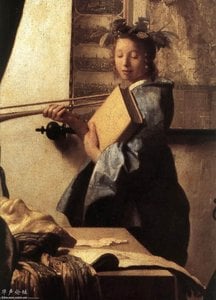
Lute Player

Explore Orazio Gentileschi’s ‘The Lute Player’ (1626) – a Baroque masterpiece! Dramatic lighting, rich detail & Caravaggio influence. Discover this iconic portrait now.

Orazio Gentileschi – włoski malarz baroku, znany z dramatyzmu i siły ekspresji w przedstawieniach biblijnych i mitologicznych. Jego styl łączył elementy Mannerizmu z wpływem Caravaggia, tworząc eleganckie kompozycje o żywych kolorach i dynamicznym światłem.

Kup wysokiej rozdzielczości, ulepszony obraz cyfrowy o znacznie wyższej jakości niż podgląd online.

Każdy plik jest starannie przygotowywany przez naszych specjalistów przy użyciu zaawansowanych narzędzi oraz profesjonalnej, ręcznej retuszy. Dbamy o to, aby każdy obraz cechował się wyjątkową ostrością, precyzyjnym odwzorowaniem kolorów i subtelnymi detalami.

Ostateczny plik dostarczany jest drogą mailową w ciągu 72 godzin, zoptymalizowany do natychmiastowego wykorzystania w profesjonalnych zastosowaniach redakcyjnych i poligraficznych. To ta sama jakość, której ufają czołowe studia projektowe, wydawnictwa oraz galerie sztuki.

Obraz cyfrowy

Pobierz plik o wysokiej rozdzielczości do osobistego wyświetlania, druku oraz projektów kreatywnych. (Zamów wydruk Zamów wydrukZamów ręcznie malowaną reprodukcję Zamów ręcznie malowaną reprodukcję)

Suma do zapłaty

$ 24,90

W każdym zamówieniu na obraz cyfrowy znajduje się

Profesjonalna dostawa cyfrowa z gwarancją

Wybierając WahooArt.com, nie otrzymujesz jedynie obrazu – otrzymujesz profesjonalnie udoskonalone cyfrowe dzieło sztuki, stworzone z najwyższą precyzją i objęte gwarancją satysfakcji. Oto wszystko, co automatycznie dołączane jest do Twojego zamówienia:

shipping_icon
Błyskawiczna wysyłka e-mailowa

Plik z obrazem cyfrowym w wysokiej rozdzielczości zostanie przesłany na Twój adres e-mail w ciągu 72 godzin od złożenia zamówienia – gotowy do natychmiastowego użycia.

canvas_icon
Plik cyfrowy wzbogacony przez AI

Twoja grafika została profesjonalnie zoptymalizowana przy użyciu zaawansowanych narzędzi AI oraz ręcznej edycji, co zapewnia maksymalną szczegółowość, klarowność i wierność kolorów.

insurance_icon
Dożywotnia darmowa ponowna dostawa

Przypadkowo usunąłeś lub zgubiłeś swój plik? Bez obaw – prześlemy go Tobie ponownie w dowolnym momencie, bez żadnych opłat.

tax_icon
Bez opłat importowych – zawsze

Ciesz się swoją sztuką natychmiast, bez żadnych opłat celnych, należności ani kosztów dostawy – pliki cyfrowe są zawsze wolne od podatku.

color_icon
Gwarancja wierności kolorów

Dzięki zastosowaniu profesjonalnych narzędzi i procesów zarządzania barwą zapewniamy, że Twoje cyfrowe zdjęcie odzwierciedla oryginalne kolory tak wiernie, jak to tylko możliwe.

return_icon
100-dniowa gwarancja satysfakcji

Jeśli nie będziesz zadowolony ze swojego cyfrowego obrazu, dokonamy jego poprawki lub zwrócimy 100% kosztów w ciągu 100 dni – bez żadnych pytań.

guarantee_icon
100% Gwarancja zwrotu pieniędzy

Nie jesteś zadowolony? Otrzymaj pełny zwrot kosztów w ciągu 100 dni od otrzymania pliku cyfrowego – bez zbędnych pytań.

discount_icon
Rabaty przy zamówieniach hurtowych

Kup 3 obrazy, oszczędź 10% - Kup 5, oszczędź 15% - Kup 10+, oszczędź 20%. Idealne do projektów kreatywnych, galerii i agencji.

Szybki podgląd

  • Influences: Caravaggio
  • Movement: Baroque
  • Notable elements or techniques: Dramatic lighting; Rich detail; Caravaggio influence
  • Title: The Lute Player
  • Subject or theme: Musical activity; Contemplation
  • Medium: Oil on canvas
  • Artist: Orazio Gentileschi

Quiz o sztuce

Do każdego pytania dotyczy tylko jedna poprawna odpowiedź.

Pytanie 1:
What artistic movement is Orazio Gentileschi’s ‘The Lute Player’ primarily associated with?
Pytanie 2:
Which artist heavily influenced Gentileschi's style, particularly his use of dramatic lighting and realism?
Pytanie 3:
What is the dominant color tone in ‘The Lute Player’?
Pytanie 4:
The painting depicts a young woman engaged in what activity?
Pytanie 5:
What technique is Gentileschi known for employing to achieve luminosity and depth in his paintings?

A Symphony of Light and Shadow

In the quietude of Orazio Gentileschi’s “The Lute Player,” one does not merely observe a scene; one enters a moment of profound, suspended animation. Painted during the vibrant dawn of the Baroque era, around 1612–1615, this masterpiece serves as a breathtaking window into the soul of the seventeenth century. The central figure, a young woman lost in the delicate melodies of a psaltery, embodies a sense of introspective grace that transcends the canvas. As she leans into her instrument, her focus is so absolute that the world around her seems to dissolve, leaving only the resonance of a single, perfect note. For the discerning collector or interior designer, this piece offers more than decoration; it provides an anchor of tranquility and intellectual depth, making it a sublime addition to any space dedicated to contemplation and refined taste.

The brilliance of the work lies in its masterful command of chiaroscuro, a technique heavily inspired by the revolutionary Caravaggio. Gentileschi does not simply use light to illuminate; he uses it to sculpt. Dramatic shadows dance across the textured backdrop, emerging from deep, earthy umbers to highlight the luminous contours of the woman’s face and the delicate folds of her gown. This interplay of brilliance and obscurity creates a palpable sense of three-dimensionality, pulling the viewer into the intimate atmosphere of the room. The color palette is a sophisticated harmony of warm ochres and rich browns, punctuated by the cool, ethereal blues of her attire, creating a visual rhythm that mirrors the music being played.

Symbolism and the Art of Devotion

Beyond its striking visual surface, “The Lute Player” is a tapestry of symbolic meaning. The psaltery—a precursor to the lute—is far more than a mere musical prop; in the Baroque lexicon, it serves as a potent emblem of harmony, learning, and spiritual devotion. The meticulous way Gentileschi renders the instrument, with its polished surfaces and intricate details, suggests a reverence for the discipline required to master such an art. The woman’s posture, characterized by a quiet diligence, invites the viewer to reflect on the pursuit of beauty and the importance of finding stillness within a chaotic world.

Every brushstroke contributes to this narrative of emotional depth. Through the skillful application of layering and glazing, the artist achieves a luminous quality that makes the fabric appear soft to the touch and the wood of the instrument glow with an inner light. This technical virtuosity ensures that a high-quality reproduction retains the soul of the original, capturing the rich textures and the heavy, atmospheric mood that defines the Italian Baroque. Whether placed in a grand library or a contemporary living space, this painting acts as a conversation piece, evoking a sense of history, elegance, and an enduring passion for the arts.


Biografia artysty

A Tuscan Dawn: The Life and Art of Orazio Gentileschi

Born in 1563 amidst the rolling hills of Tuscany, Orazio Gentileschi embarked on a journey that would see him become a pivotal figure in the transition from Mannerism to Baroque painting. Initially known as Orazio Lomi, he gravitated towards Rome, then the epicenter of artistic innovation, where he honed his skills within the workshops of Cola dell’Amata and absorbed the architectural sensibilities of Francesco da Sangallo. These early influences instilled in him a meticulous attention to form and composition, characteristics that would remain hallmarks of his style even as it dramatically evolved. Gentileschi’s initial work often involved contributing figures to larger decorative schemes conceived by other artists – a formative experience that taught him collaboration and adaptability, yet also hinted at a burgeoning ambition for independent expression. He began as a diligent assistant, meticulously rendering details within grander designs, learning the value of precision and the importance of understanding the overall vision of his patrons. This early apprenticeship provided a solid foundation in technique but also fueled a desire to develop his own unique voice.

Embracing the Shadow: Caravaggio's Influence and Artistic Development

The turn of the 17th century marked a turning point in Gentileschi’s artistic trajectory. The revolutionary naturalism of Caravaggio burst onto the Roman art scene, challenging established conventions with its dramatic use of light and shadow – *tenebrism* – and unflinching realism. Gentileschi was profoundly affected by this seismic shift, adopting elements of Caravaggio's style into his own work. However, he wasn’t merely an imitator; rather, he filtered Caravaggio’s innovations through his existing artistic sensibilities. While retaining the dramatic intensity, Gentileschi softened the harshness of Caravaggio’s *tenebrism*, introducing a lighter palette and a more refined approach to detail. This resulted in paintings that possessed both emotional power and elegant grace – a unique synthesis that distinguished him from his contemporaries. He didn't simply replicate Caravaggio’s techniques; he adapted them, imbuing them with his own sensibility and creating a style that was both powerfully emotive and exquisitely detailed. Biblical scenes and mythological narratives became frequent subjects, allowing Gentileschi to explore themes of faith, heroism, and human vulnerability with compelling visual storytelling. His compositions often featured dynamic diagonals and carefully arranged figures, drawing the viewer’s eye through the scene and emphasizing the drama unfolding before them.

A Courtly Wanderer: From Paris to London

Gentileschi’s artistic reputation extended beyond Italy’s borders. His talent attracted the patronage of powerful figures, leading him on a peripatetic journey through Europe. He spent time at the court of Marie de' Medici in Paris, where his refined style resonated with the Queen’s taste for elegance and sophistication. This period saw a further evolution in his work, characterized by increasingly elaborate compositions and a heightened sense of decorum. The Parisian court demanded works that were both visually stunning and subtly expressive, reflecting the sophisticated tastes of its patrons. He developed a particular skill in creating portraits that captured not only physical likeness but also the personality and social standing of their subjects. However, it was his invitation to England in 1626 that would define the final chapter of his career. Appointed court painter to Charles I, Gentileschi became one of the first major exponents of Caravaggism in Britain, significantly influencing the development of English Baroque painting. He undertook ambitious projects, including a series of ceiling paintings for Greenwich Palace (now Marlborough House), showcasing his mastery of large-scale decorative schemes and solidifying his position as a leading artist of his time.

Key Works and Artistic Characteristics

Gentileschi’s oeuvre is characterized by several distinctive features. His use of *tenebrism*, while influenced by Caravaggio, was always tempered with a sense of balance and harmony. He favored bright, vibrant colors – reds, blues, and golds – to create dramatic effects and draw attention to key elements within his compositions. His figures were rendered with remarkable anatomical accuracy and psychological depth, conveying a wide range of emotions through subtle gestures and expressions. Gentileschi was particularly adept at depicting women, imbuing them with strength, dignity, and vulnerability. His paintings often featured dynamic diagonals and carefully arranged figures, drawing the viewer’s eye through the scene and emphasizing the drama unfolding before them. Notable works include “Danae,” a powerful depiction of mythological excess; "The Annunciation," showcasing his mastery of light and shadow; and “The Virgin Mary,” radiating serenity and grace.

Legacy and Lasting Impact

Orazio Gentileschi’s contributions to the world of art are multifaceted. He bridged the gap between Mannerism and Baroque, absorbing the innovations of Caravaggio while forging his own distinctive style. His use of vibrant colors, dramatic compositions, and refined technique influenced a generation of artists across Europe. He was instrumental in introducing Caravaggism to England, leaving an indelible mark on the artistic landscape there. But perhaps his most enduring legacy lies in his daughter, Artemisia Gentileschi. Trained in her father’s studio, she emerged as one of the most celebrated female painters of the Baroque era, carrying forward the family's artistic tradition and achieving renown in her own right. Today, Gentileschi’s works are held in prestigious museums and galleries worldwide – from the Uffizi Gallery in Florence to the Accademia Gallery in Venice – testaments to his enduring brilliance and lasting impact on the history of art. His paintings continue to captivate viewers with their emotional depth, technical virtuosity, and timeless beauty.
  • Major Works: “Danae”, "The Annunciation", “The Virgin Mary”
  • Key Influences: Mannerism, Caravaggio
  • Artistic Style: Baroque, Dramatic compositions, Bright colors.
Orazio Dżentilesci

Orazio Dżentilesci

1563 - 1639 , Włochy

Krótka nota

  • Artistic Movement Or Style: Barok, Karawaggizm
  • Artists Or Movements Influenced By This Artist:
    • Barok włoski
    • Mannernismo
  • Artists Who Influenced This Artist:
    • Karawaggio
    • Francesco da Sangallo
  • Date Of Birth: 1563
  • Date Of Death: 1639
  • Full Name: Orazio Gentileschi
  • Nationality: Włoski
  • Notable Artworks:
    • Danae
    • Anielina
    • Panna Maria
  • Place Of Birth: Tuscany, Włochy