
DARMOWA KONSULTACJA ARTYSTYCZNA


x

 Zamów wydruk Kup cyfrowy obraz
 Udostępnij
 Details
 Dodaj do ulubionych
 Pobierz
 Podobne obiekty
 X-Ray
X-Ray
 Pokaz slajdów
 AcrylicWallArtHigh Baroque
 1645
1645 117.0 x 178.0 cm
Ręcznie malowany olej na płótnie w Twoim wymiarze i ramie, tworzony na zamówienie przez naszych artystów.





























Wybierz spośród naszych predefiniowanych rozmiarów, które zachowują oryginalne proporcje dzieła sztuki.

Możesz wprowadzić własne wymiary, aby dopasować obraz do konkretnej ramy lub przestrzeni. Jeśli wybrany rozmiar nie będzie odpowiadał proporcjom oryginału, przytniecie dzieło sztuki lub rozszerzymy je o dodatkowe elementy, ręcznie domalowane przez artystę. Przed rozpoczęciem produkcji wyślemy projekt cyfrowy do Twojej akceptacji.
Należy pamiętać, że podgląd na ekranie nie odzwierciedla rzeczywistego przycinania ani rozszerzania obrazu. Tylko projekt dokładnie pokaże ostateczną kompozycję.
Choć oferujemy możliwość zamówienia niestandardowych rozmiarów, zalecamy wybór wymiaru z gotowej listy, aby zachować oryginalne proporcje dzieła.
Dostawa na całym świecie () w ciągu 3/4 tygodni zamiast standardowych 5 tygodni. (1 Lipiec). Bez kompromisów w kwestii jakości.


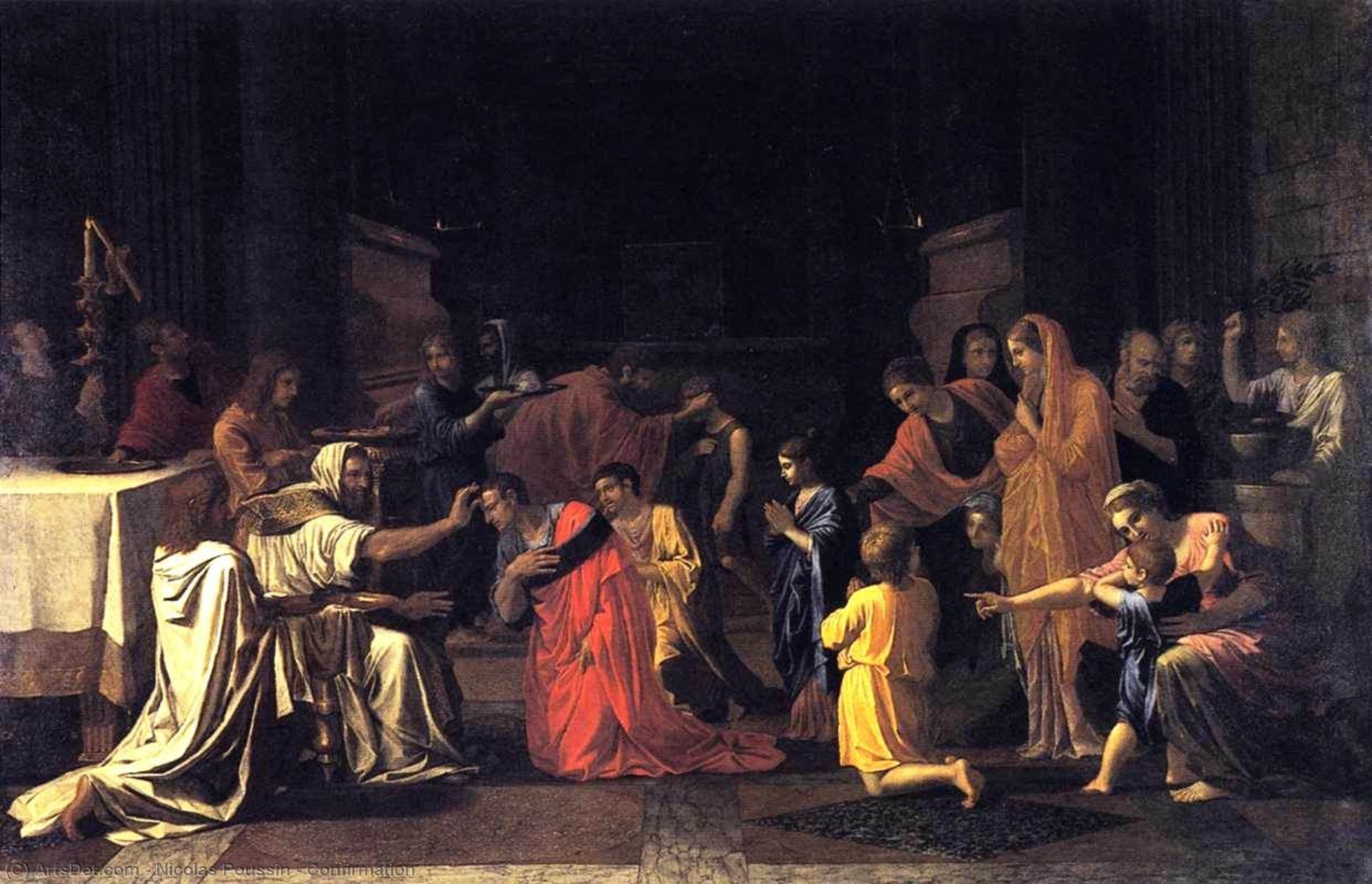
Confirmation
Wymiary reprodukcji


1594 - 1665 , Francja

Przekształć swoje wspomnienia w nieśmiertelne arcydzieła! Ręcznie malowane obrazy olejne z fotografii najwyższej jakości. Profesjonalni artyści, gwarancja trwałości i personalizacji. Zamów teraz!

Odkryj sztukę malarstwa olejnego na zamówienie! Ręcznie malowane reprodukcje i portrety z dbałością o każdy detal. Flamandzka technika, najwyższa jakość materiałów i indywidualne podejście do klienta. Stwórz arcydzieło dla swojego wnętrza!
Explore the life & work of Nicolas Poussin, a master of French Classicism. Discover his allegorical paintings, Roman influences, and enduring impact on art history. Expert analysis & insights.

Explore the life & art of Charles Le Brun, master of French Baroque Classicism. Discover his royal commissions, influence on Versailles, and enduring legacy through detailed analysis & stunning artworks.

Commission breathtaking bespoke fantasy art with skilled oil painters. Explore techniques, artist selection & preservation tips. Invest in a unique masterpiece today!


Bądź na bieżąco z najnowszymi wiadomościami ze świata sztuki, ekskluzywnymi ofertami i inspiracjami dekoratorskimi.
Opowiedz nam o swoim projekcie, a nasi eksperci od sztuki przygotują dla Ciebie 3 spersonalizowane propozycje dzieł sztuki.
Pozwól nam przygotować 3 propozycje specjalnie dla Ciebie – za darmo!
 Udostępnij

 Rozwiń treść







 Opcja szkła jest dostępna wyłącznie w rozmiarach poniżej 110 cm


