Zobacz w skali 1:1 Zobacz w AR Przełącz na wersję drukowaną Kup ręcznie malowany obraz Wyślij
Szczegóły Przewodnik Dodaj do ulubionych Pobierz plik obrazu Podobne obiekty RTG Pokaz slajdów Statystyki

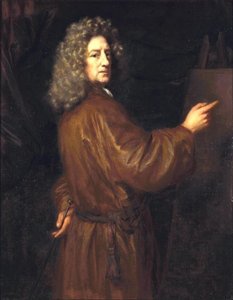
The Eavesdropper

Nicolaes Maes (1634-1693) był holenderskim malarzem okresu Złotej Ery, znanym z obrazów przedstawiających życie domowe i portretów inspirowanych twórczością Rembrandtka. Jego dzieła ukazują piękno codziennego życia oraz głębokie zrozumienie emocji ludzkich – odkryj jego wyjątkową sztukę!

Kup wysokiej rozdzielczości, ulepszony obraz cyfrowy o jakości znacznie przewyższającej podgląd online.

Każdy plik jest starannie przygotowywany przez naszych specjalistów przy użyciu zaawansowanych narzędzi oraz profesjonalnej, ręcznej retuszy. Dbamy o to, aby każdy obraz cechował się wyjątkową ostrością, precyzyjnym odwzorowaniem kolorów i subtelnymi detalami.

Ostateczny plik dostarczany jest drogą mailową w ciągu 72 godzin, zoptymalizowany do natychmiastowego wykorzystania w profesjonalnych zastosowaniach redakcyjnych i poligraficznych. To ta sama jakość, której ufają czołowe studia projektowe, wydawnictwa oraz galerie sztuki.

Obraz cyfrowy

Pobierz plik o wysokiej rozdzielczości do osobistego użytku, druku oraz projektów kreatywnych. ( Przełącz na wersję drukowaną Kup ręcznie malowany obraz)

Cena całkowita

$ 24,90

W każdym zamówieniu na obraz cyfrowy znajduje się

Profesjonalna dostawa cyfrowa z gwarancją

Wybierając WahooArt.com, nie otrzymujesz jedynie obrazu – otrzymujesz profesjonalnie udoskonalone cyfrowe dzieło sztuki, stworzone z najwyższą precyzją i objęte gwarancją satysfakcji. Oto wszystko, co automatycznie dołączane jest do Twojego zamówienia:

shipping_icon
Błyskawiczna dostawa e-mailowa

Plik z obrazem cyfrowym w wysokiej rozdzielczości zostanie przesłany na Twój adres e-mail w ciągu 72 godzin od złożenia zamówienia – gotowy do natychmiastowego użycia.

canvas_icon
Plik cyfrowy ulepszony przez AI

Twoja grafika została profesjonalnie zoptymalizowana przy użyciu zaawansowanych narzędzi AI oraz ręcznej edycji, co zapewnia maksymalną szczegółowość, klarowność i wierność kolorów.

insurance_icon
Bezpłatna dożywotnia ponowna dostawa

Przypadkowo usunąłeś lub zgubiłeś swój plik? Bez obaw – prześlemy go Tobie ponownie w dowolnym momencie, bez żadnych opłat.

tax_icon
Bez opłat importowych – zawsze

Ciesz się swoją sztuką natychmiast, bez żadnych opłat celnych, należności ani kosztów dostawy – pliki cyfrowe są zawsze wolne od podatku.

color_icon
Gwarancja odwzorowania kolorów

Dzięki zastosowaniu profesjonalnych narzędzi i procesów zarządzania barwą zapewniamy, że Twoje cyfrowe zdjęcie odzwierciedla oryginalne kolory tak wiernie, jak to tylko możliwe.

return_icon
100 dni na satysfakcję

Jeśli nie będziesz zadowolony ze swojego cyfrowego obrazu, poprawimy go lub zwrócimy 100% kosztów w ciągu 100 dni – bez zbędnych pytań.

guarantee_icon
100% Gwarancja zwrotu pieniędzy

Nie jesteś zadowolony? Otrzymaj pełny zwrot kosztów w ciągu 100 dni od otrzymania pliku cyfrowego – bez zbędnych pytań.

discount_icon
Rabaty przy zamówieniach hurtowych

Kup 3 obrazy, oszczędź 10% - Kup 5, oszczędź 15% - Kup 10+, oszczędź 20%. Idealne do projektów kreatywnych, galerii i agencji.


Biografia artysty

Nicolaes Maes (1634 - 1693): A Life Immersed in Dutch Light and Shadow

Nicolaes Maes, a name resonating softly within the pantheon of Dutch Golden Age masters, was born in Dordrecht in January 1634 into a world brimming with mercantile prosperity and artistic ferment. His father, Gerrit Maes, a successful cloth merchant and soap boiler, provided a comfortable upbringing, allowing young Nicolaes to pursue his burgeoning talent for painting. While early instruction came from a local artist of modest renown, the pivotal moment in Maes’s development arrived when he journeyed to Amsterdam around 1648 and entered the workshop of Rembrandt van Rijn. This apprenticeship proved transformative, imbuing him with an enduring appreciation for the dramatic interplay of light and shadow – *chiaroscuro* – and a masterful command of color that would define his early works. The influence was so profound that initial paintings, such as depictions of biblical scenes rendered with life-size figures and rich, glowing hues, were often mistakenly attributed to Rembrandt himself. These formative years laid the groundwork for a career marked by both technical brilliance and an intimate understanding of human emotion.

Early Years and Rembrandt’s Influence

Nicolaes Maes' artistic journey began under the tutelage of a local Dordrecht artist—likely Samuel van Hoogstraten—who instilled in him foundational drawing skills. However, it was his encounter with Rembrandt van Rijn around 1650 that truly ignited his creative spirit. This pivotal apprenticeship profoundly shaped Maes’s artistic sensibilities, fostering an unwavering dedication to Rembrandt's signature technique of *chiaroscuro*, where dramatic contrasts between light and dark illuminate the subject matter with breathtaking intensity. As Arnold Houbraken recounts in his biography, “Rembrandt taught him the art of painting but lost that way of painting early,” particularly when Maes transitioned into portraiture—a stylistic shift driven by the discerning gaze of Van Dyck and the burgeoning demand for refined artistic representations within Amsterdam’s elite circles. The meticulous observation of Rembrandt's workshop instilled in Maes a profound respect for capturing nuanced emotions and conveying psychological depth, qualities that would permeate his subsequent oeuvre.

From Biblical Scenes to Domestic Genre

Maes initially honed his skills by executing biblical scenes with life-size figures and luminous colors—a stylistic hallmark undeniably indebted to Rembrandt’s artistic vision. These early works showcased Maes' ability to render dramatic narratives with palpable emotion, mirroring the grandeur and theatricality characteristic of Rembrandt’s oeuvre. However, recognizing the evolving tastes of the art market, Maes gradually shifted his focus towards smaller-scale domestic genre scenes—a decision that cemented his reputation as a master of portraying everyday life with remarkable sensitivity and detail. He meticulously documented the rituals and routines of Dutch households, capturing moments of quiet contemplation alongside lively activity—scenes populated by women engaged in tasks such as spinning wool or preparing meals. These paintings weren’t merely visual records; they were windows into the social fabric of seventeenth-century Holland, reflecting the values and customs of a society undergoing significant transformation.

The Art of Lacemaking and Rembrandt's Legacy

A particular fascination captivated Maes—the intricate art of lacemaking. He produced numerous variations on this theme, each demonstrating his unwavering commitment to capturing subtle textures and nuances—a testament to his meticulous observation and artistic skill. These depictions transcended mere representation; they conveyed a sense of beauty and refinement, mirroring the elegance and sophistication favored by Amsterdam’s upper echelon. Maes' work stands as enduring proof of Rembrandt’s influence—not merely in technique but also in aesthetic sensibility. His ability to infuse ordinary subjects with profound emotion and psychological insight ensured that his legacy would endure for centuries to come.

A Portraitist Among Peers

Around 1656, Maes embarked on a new artistic path—one dedicated to portraiture—a stylistic shift decisively marked by the influence of Anthony van Dyck. Abandoning the warm hues and dramatic chiaroscuro favored in his earlier genre paintings, Maes embraced a cooler palette and refined compositional strategies—reflecting the prevailing aesthetic trends within Amsterdam’s aristocratic circles. His portraits are distinguished by their psychological acuity, capturing not only physical likeness but also glimpses into character and social standing. Like Van Dyck, Maes skillfully employed theatrical staging and subtle gestures to convey emotion and elevate his subjects to positions of honor. Notable works include “Portrait of Gerard Röver,” demonstrating Maes’s mastery of conveying status through meticulous detail—a hallmark of his artistic style. His enduring fame rests upon this singular achievement: transforming the commonplace into artful contemplation. ## Conclusion Nicolaes Maes' contribution to Dutch Baroque painting remains unparalleled. He skillfully blended Rembrandt’s dramatic technique with a humanist sensibility, producing images that continue to resonate with audiences today. Through his meticulous observation and artistic virtuosity, Maes elevated domestic scenes and portraits alike—establishing himself as one of the most influential artists of his era and securing his place within the annals of Dutch art history. His paintings serve as invaluable documents of seventeenth-century life, offering insights into social customs, psychological complexities, and aesthetic ideals that continue to fascinate scholars and connoisseurs alike.
Nicolaes Maes

Nicolaes Maes

1634 - 1693 , Holandia

Najważniejsze informacje

  • Artistic Movement Or Style: Barok
  • Artists Or Movements Influenced By This Artist: ['Houbraken']
  • Artists Who Influenced This Artist: ['Rembrandt van Rijn']
  • Date Of Birth: Dordrecht, 1634
  • Date Of Death: Amsterdam, 1693
  • Full Name: Nicolaes Maes
  • Nationality: Holenderski
  • Notable Artworks:
    • Christ Blessing the Children
    • An Old Woman Dozing over a Book
    • Death and the Miser
  • Place Of Birth: Holandia