Zobacz w skali 1:1 Zobacz w AR Przełącz na wersję drukowaną Kup ręcznie malowany obraz Wyślij
Szczegóły Przewodnik Dodaj do ulubionych Pobierz plik obrazu Podobne obiekty RTG Pokaz slajdów Statystyki

Language of forest

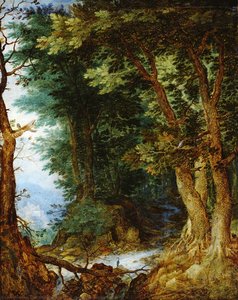
Experience Nicholas Roerich’s ‘Language of the Forest,’ a stunning Symbolism painting depicting a serene forest scene with mountains and figures, capturing a timeless mood perfect for your home.

h2>A Life Immersed in Art and Spirit</h2> Nicholas Roerich

Kup wysokiej rozdzielczości, ulepszony obraz cyfrowy o jakości znacznie przewyższającej podgląd online.

Każdy plik jest starannie przygotowywany przez naszych specjalistów przy użyciu zaawansowanych narzędzi oraz profesjonalnej, ręcznej retuszy. Dbamy o to, aby każdy obraz cechował się wyjątkową ostrością, precyzyjnym odwzorowaniem kolorów i subtelnymi detalami.

Ostateczny plik dostarczany jest drogą mailową w ciągu 72 godzin, zoptymalizowany do natychmiastowego wykorzystania w profesjonalnych zastosowaniach redakcyjnych i poligraficznych. To ta sama jakość, której ufają czołowe studia projektowe, wydawnictwa oraz galerie sztuki.

Obraz cyfrowy

Pobierz plik o wysokiej rozdzielczości do osobistego użytku, druku oraz projektów kreatywnych. ( Przełącz na wersję drukowaną Kup ręcznie malowany obraz)

Cena całkowita

$ 24,90

W każdym zamówieniu na obraz cyfrowy znajduje się

Profesjonalna dostawa cyfrowa z gwarancją

Wybierając WahooArt.com, nie otrzymujesz jedynie obrazu – otrzymujesz profesjonalnie udoskonalone cyfrowe dzieło sztuki, stworzone z najwyższą precyzją i objęte gwarancją satysfakcji. Oto wszystko, co automatycznie dołączane jest do Twojego zamówienia:

shipping_icon
Błyskawiczna dostawa e-mailowa

Plik z obrazem cyfrowym w wysokiej rozdzielczości zostanie przesłany na Twój adres e-mail w ciągu 72 godzin od złożenia zamówienia – gotowy do natychmiastowego użycia.

canvas_icon
Plik cyfrowy ulepszony przez AI

Twoja grafika została profesjonalnie zoptymalizowana przy użyciu zaawansowanych narzędzi AI oraz ręcznej edycji, co zapewnia maksymalną szczegółowość, klarowność i wierność kolorów.

insurance_icon
Bezpłatna dożywotnia ponowna dostawa

Przypadkowo usunąłeś lub zgubiłeś swój plik? Bez obaw – prześlemy go Tobie ponownie w dowolnym momencie, bez żadnych opłat.

tax_icon
Bez opłat importowych – zawsze

Ciesz się swoją sztuką natychmiast, bez żadnych opłat celnych, należności ani kosztów dostawy – pliki cyfrowe są zawsze wolne od podatku.

color_icon
Gwarancja odwzorowania kolorów

Dzięki zastosowaniu profesjonalnych narzędzi i procesów zarządzania barwą zapewniamy, że Twoje cyfrowe zdjęcie odzwierciedla oryginalne kolory tak wiernie, jak to tylko możliwe.

return_icon
100 dni na satysfakcję

Jeśli nie będziesz zadowolony ze swojego cyfrowego obrazu, poprawimy go lub zwrócimy 100% kosztów w ciągu 100 dni – bez zbędnych pytań.

guarantee_icon
100% Gwarancja zwrotu pieniędzy

Nie jesteś zadowolony? Otrzymaj pełny zwrot kosztów w ciągu 100 dni od otrzymania pliku cyfrowego – bez zbędnych pytań.

discount_icon
Rabaty przy zamówieniach hurtowych

Kup 3 obrazy, oszczędź 10% - Kup 5, oszczędź 15% - Kup 10+, oszczędź 20%. Idealne do projektów kreatywnych, galerii i agencji.

Kluczowe informacje

  • Notable elements: Sunset, figures
  • Dimensions: 58 x 79 cm
  • Influences: Roerich
  • Artistic style: Symbolic
  • Subject or theme: Forest, mountains
  • Movement: Symbolism
  • Artist: Nicholas Roerich

Nicholas Roerich’s “Language of the Forest”: A Symphony of Symbolism

“The Language of the Forest,” painted in 1922 by the visionary Nicholas Roerich, is more than just a depiction of a serene woodland scene; it's an immersive exploration of spiritual and symbolic landscapes. This evocative artwork, measuring 58 x 79 cm, captures a moment of profound tranquility within a forest setting – a carefully constructed tableau designed to resonate with viewers on multiple levels. The painting’s immediate appeal lies in its masterful rendering of light and atmosphere, particularly the dramatic interplay of sunset hues that bathe the trees and mountains in a warm, golden glow. Roerich's meticulous attention to detail, from the textured bark of the foreground trees to the distant peaks, creates a palpable sense of depth and scale, drawing the viewer into the heart of the composition.

Symbolism Rooted in Eastern Thought

Roerich’s work is deeply rooted in his exploration of esoteric philosophies and spiritual traditions, particularly those originating from the East. “The Language of the Forest” exemplifies this influence through its symbolic representation of nature as a conduit to higher consciousness. The forest itself becomes a sacred space, imbued with layers of meaning – a recurring motif throughout Roerich’s oeuvre. The presence of figures within the scene—seated on rocks and standing amongst the trees—suggests human connection with this natural world, inviting contemplation and reverence. The painting's Symbolist style, as confirmed by WikiArt, emphasizes mood and suggestion over realistic representation, prioritizing emotional impact and spiritual significance.

Technique and Artistic Process

Executed in oil on canvas, Roerich’s technique is characterized by a rich, layered application of paint. He employed a glazing method—building up color through translucent washes—to achieve the luminous effects so characteristic of his work. The brushwork is deliberate yet fluid, conveying both precision and an intuitive understanding of light and shadow. Roerich's meticulous preparation of pigments, often incorporating minerals and precious materials, contributed to the depth and vibrancy of his palette. This dedication to material quality ensured that each reproduction would retain a remarkable fidelity to the original’s textural richness.

Historical Context and Roerich’s Vision

Created in 1922, “The Language of the Forest” reflects a pivotal moment in Roerich's artistic development. Following his travels through Central Asia and Tibet, he became increasingly fascinated with ancient cultures and spiritual traditions. This period saw him develop his unique visual language—a synthesis of Western artistic techniques and Eastern philosophical concepts—aimed at promoting intercultural understanding and advocating for peace. The painting can be viewed as a testament to Roerich’s belief in the interconnectedness of all things, reflecting his lifelong commitment to exploring the spiritual dimensions of art and life.


Biografia artysty

A Life Immersed in Art and Spirit

Nicholas Roerich, born October 9, 1874, in the vibrant cultural heart of Saint Petersburg, Russia, was a figure whose life transcended the boundaries of artistic expression. He wasn’t merely a painter; he was an archaeologist, a writer, a philosopher, and a tireless advocate for peace and cultural preservation. His upbringing, steeped in both intellectual rigor – his father was a notary public – and artistic appreciation thanks to his mother, laid the foundation for a remarkably multifaceted career. Roerich simultaneously pursued studies in law and art at St. Petersburg University and the Imperial Academy of Arts beginning in 1893, demonstrating an early commitment to a broad understanding of the world. This dual path wasn’t contradictory for him; rather, it reflected a belief that artistic vision needed grounding in historical context and intellectual discipline. He received his artist designation in 1897 and completed his law degree the following year, setting the stage for a life dedicated to both creative exploration and reasoned action.

The Allure of Symbolism and Theatrical Innovation

Roerich’s artistic development was profoundly shaped by the currents of Russian Symbolism, a movement that sought to evoke emotional and spiritual depths through evocative imagery and suggestive forms. He quickly became involved with Sergei Diaghilev's influential “World of Art” society, eventually assuming its presidency from 1910 to 1916. This association proved pivotal, exposing him to a network of innovative artists, composers, and thinkers who were redefining the landscape of Russian art. His early work revealed a fascination with archaeology and stage design, leading to groundbreaking collaborations with Diaghilev’s Ballets Russes. Roerich's designs for productions like Alexander Borodin's *Prince Igor* (1909) and, most famously, Igor Stravinsky’s revolutionary *The Rite of Spring* (1913), were not simply backdrops; they were integral components of the theatrical experience. He blended meticulous historical research with a bold imaginative vision, creating visually stunning environments that amplified the emotional power of the music and choreography. These designs weren't merely decorative; they were attempts to evoke primordial forces and ancient rituals, reflecting the Symbolist interest in myth and spirituality. His work was also influenced by apocrypha and medieval sectarian writings like the Dove Book, adding layers of esoteric meaning to his artistic creations.

A Journey Towards Mysticism and Himalayan Visions

As Roerich’s career progressed, his paintings underwent a significant transformation, increasingly embracing mystical and spiritual themes. This shift was fueled by his growing interest in Theosophy and Eastern religions, philosophies that emphasized the interconnectedness of all things and the pursuit of inner wisdom. His *Architectural Studies* series (1904–1905) showcased not only his architectural skill but also a deep commitment to preserving cultural heritage, foreshadowing his later advocacy for protecting art during times of conflict. Recurring motifs began to emerge in his work: majestic landscapes, ancient cities shrouded in mystery, and figures imbued with spiritual significance like St. Panteleimon and Kuan Yin. He embarked on extensive travels throughout Central Asia, conducting archaeological research and documenting ancient cultures, experiences that deeply informed his artistic vision and reinforced his belief in the importance of cultural understanding. These journeys to remote regions profoundly shaped his worldview, leading him to believe in a universal spiritual consciousness and the interconnectedness of humanity with nature.

Key Works & Continuing Relevance

  • Saint Nicholas: A detailed monochrome mural showcasing medieval art and heraldic symbolism.
  • City: Evocative depictions of ancient urban landscapes, reflecting his archaeological interests.
  • Lake of the Nagas: A tempera painting blending symbolism and nature, exemplifying his unique artistic vision.
Roerich’s legacy continues to resonate today. In an era marked by cultural conflict and environmental concerns, his advocacy for preservation feels more relevant than ever. His art invites us to contemplate the mysteries of existence, the power of spirituality, and the importance of safeguarding our shared human heritage. He left behind a body of work that is not only visually stunning but also deeply meaningful, offering a timeless message of peace, understanding, and respect for all cultures.

Legacy of Preservation and Enduring Influence

Nicholas Roerich was a dedicated activist for protecting art and architecture during times of war. Recognizing the vulnerability of cultural treasures, he spearheaded the creation of the Roerich Pact in 1935 – an international treaty designed to safeguard cultural objects from destruction. This initiative earned him multiple nominations for the Nobel Peace Prize, underscoring his profound humanitarianism. His tireless efforts demonstrated a belief that preserving cultural heritage was essential not only for understanding the past but also for building a more peaceful future. Today, Roerich’s work is celebrated in prominent museum collections worldwide, including the Astrakhan State Picture Gallery and, notably, the Nicholas Roerich Museum in New York City. His impact on Russian art and culture remains immeasurable. He bridged the gap between artistic expression and spiritual exploration, influencing generations of artists and thinkers with his visionary approach. He is remembered not only as a painter but as a scholar, a humanitarian, and a beacon of hope for cultural preservation.

Nikola Roerich

Nikola Roerich

1874 - 1947 , Rosja

Najważniejsze informacje

  • Artistic Movement Or Style: Символизм, духовное искусство
  • Artists Or Movements Influenced By This Artist: ['Русский символизм']
  • Artists Who Influenced This Artist: ['Сергей Дягилев']
  • Date Of Birth: 9 октября 1874
  • Date Of Death: 13 декабря 1947
  • Full Name: Nicholas Roerich
  • Nationality: Русский
  • Notable Artworks:
    • Святой Николай
    • Город
    • Озеро Нага
  • Place Of Birth: Санкт-Петербург, Россия