


Ręcznie malowany obraz olejny na płótnie, wykonany na zamówienie przez naszych artystów w wybranym przez Ciebie wymiarze i oprawie. ( Zamów wydruk Kup obraz wysokiej rozdzielczości)





























Wybierz spośród naszych standardowych rozmiarów, które zachowują oryginalne proporcje dzieła sztuki.

Możesz wprowadzić własne wymiary, aby dopasować obraz do konkretnej ramy lub przestrzeni. Jeśli wybrany rozmiar nie będzie odpowiadał proporcjom oryginału, przytniecie dzieło sztuki lub rozszerzymy je o dodatkowe elementy, ręcznie domalowane przez artystę. Przed rozpoczęciem produkcji wyślemy projekt cyfrowy do Twojej akceptacji.
Należy pamiętać, że podgląd na ekranie nie odzwierciedla rzeczywistego przycinania ani rozszerzania obrazu. Tylko projekt dokładnie pokaże ostateczną kompozycję.
Choć oferujemy możliwość zamówienia niestandardowych rozmiarów, zalecamy wybór wymiaru z gotowej listy, aby zachować oryginalne proporcje dzieła.
Dostawa na całym świecie () w ciągu 3–4 tygodni zamiast standardowych 5 tygodni. (7 Wrzesień). Bez kompromisów w kwestii jakości.


Last Judgment Triptych (detail) (16)
Wymiary reprodukcji
This arresting detail from Hans Memling’s *Last Judgment Triptych*, painted in 1467, offers a visceral glimpse into the heart of one of the most profoundly moving and technically masterful works of the Early Netherlandish period. The scene, dominated by a central female figure radiating an almost ethereal glow, immediately draws the viewer into a moment of intense spiritual reckoning – the judgment of humanity. Memling’s Bruges workshop produced countless devotional paintings, but this particular fragment possesses a raw emotional power that distinguishes it and speaks to the artist's deep understanding of human psychology alongside his unparalleled skill in rendering texture and light.
The scene is laden with symbolic meaning, reflecting the anxieties and aspirations of 15th-century Europe. The nudity of the figures underscores humanity's fallen state – a consequence of sin – while their kneeling posture signifies humility and repentance. The central female figure’s role as a mediator between God and humankind speaks to the importance of faith and devotion. The overall composition echoes themes prevalent in medieval art, including the Book of Revelation and other biblical narratives depicting divine judgment. Memling's work was commissioned for private devotional settings, intended to inspire contemplation and reinforce religious belief.
Hans Memling (c. 1430 – 1494) was one of the most celebrated artists of the Early Netherlandish school, flourishing during a period of immense artistic and intellectual ferment. Working primarily in Bruges, a major European trading center and a hub for art patronage, Memling’s workshop produced works for wealthy merchants, nobles, and religious institutions across Europe. His influence extended beyond his own creations; he trained numerous apprentices who carried on his style, ensuring the continued popularity of his distinctive aesthetic. The *Last Judgment Triptych* exemplifies Memling's commitment to both realism and spiritual depth – a combination that cemented his place as a master of his time.


Niemcy

Master the nuances of Giclée printing with our expert guide. Discover how pigment-based inks and museum-grade substrates create fade-resistant, high-fidelity art reproductions designed for discerning collectors seeking unparalleled quality and longevity.
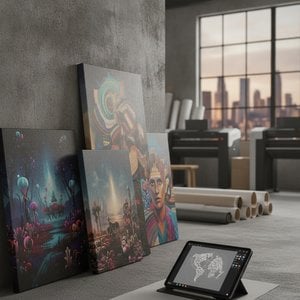
Odkryj luksusowy sposób na sprzedaż swoich zdjęć jako dzieła sztuki. WahooArt oferuje profesjonalne wydruki Giclée o muzealnej jakości bez konieczności posiadania magazynu. Twórz ponadczasowe, wysokiej klasy reprodukcje, które staną się Twoim dziedzictwem i inwestycją w piękno.

Discover museum-quality Giclée paper prints at WahooArt. Elevate your space with archival, pigment-based reproductions of the world's greatest masterpieces. Affordable, elegant, and designed for lasting beauty. Start curating your timeless art legacy today.

 Podgląd w skali
 Wyślij jako kartkę
 Udostępnij
 Szczegóły dzieła

 Pobierz
 Podobne obiekty
 RTG
RTG Pokaz slajdów


 Rozwiń treść







 Opcja ze szkłem jest dostępna wyłącznie w rozmiarach poniżej 110 cm


