


Dzieło sztuki prezentowane na tej stronie podlega ochronie prawem autorskim, co oznacza, że nie mamy prawa do tworzenia ani sprzedaży jego identycznej reprodukcji. Ochrona ta jest egzekwowana na mocy umów międzynarodowych, takich jak Konwencja berneńska oraz przez przepisy prawa krajowego, w tym te określone w Prawo autorskie USA – Tytuł 17.
Metoda ta jest w pełni zgodna z przepisami prawa autorskiego, ponieważ nie polega na kopiowaniu ani powielaniu chronionego dzieła. Stanowi ona kreatywną reinterpretację – nowy obraz, który czerpie inspirację z oryginału, ale nie jest z nim tożsamy.
Wydruki giclée lub płótna o jakości muzealnej, szybka realizacja i szeroki wybór opcji wykończenia. ( Zamów ręcznie malowaną reprodukcję Przejdź do wersji cyfrowej)





























Wybierz spośród naszych standardowych rozmiarów, które zachowują oryginalne proporcje dzieła sztuki.

Wpisz wymaganą szerokość i wysokość, aby dopasować grafikę do ramy lub ściany. Wydruk można jedynie przyciąć, nigdy nie powiększając go poza oryginalny obraz, dlatego format o innych proporcjach spowoduje utratę części kompozycji. Przed rozpoczęciem druku prześlemy Ci cyfrowy podgląd do zatwierdzenia. Obraz wyświetlany na tej stronie nie pokazuje rzeczywistego przycięcia — jedynie podgląd oddaje ten efekt.
Dostawa na cały świat () w ciągu 2 tygodni zamiast standardowych 4/5 tygodni. (11 Listopad)
Atalanta
Wymiary reprodukcji
In the sweeping expanse of Matthew Charles Meere’s 1938 masterpiece, Atalanta, the viewer is instantly transported to an era where the boundaries between the mortal and the divine were perpetually blurred. This dynamic oil painting captures a moment of breathless athletic competition, drawing deep inspiration from the legends of classical Greek mythology. The composition centers on a high-stakes race, portraying two male figures locked in a struggle for supremacy; one runner surges forward with determined vigor, while another appears to be faltering, caught in the gravity of defeat. Beside this central drama stands a third figure, perhaps a charioteer or a divine witness, holding a torch that serves as a beacon of both light and destiny. The scene is set against an architectural backdrop reminiscent of ancient Greece, where a silent assembly of spectators watches from the periphery, their presence adding a layer of communal tension to the unfolding spectacle.
Meere’s technical mastery is evident in the way he utilizes a warm, muted palette to evoke a sense of timelessness. The canvas is dominated by earthy tones and soft, sun-drenched hues that lend the scene an antique, almost nostalgic glow. Through a sophisticated application of layered oil paint, the artist achieves a remarkable depth, defining the powerful musculature of the athletes and the fluid, rhythmic movement of their drapery. Every brushstroke contributes to a sense of organic energy, where the textures appear smooth and slightly luminous, catching the soft, diffused light that bathes the landscape. This careful manipulation of light and shadow creates a three-dimensional realism that breathes life into the figures, making the physical exertion of the race feel palpable to the observer.
Beyond its surface beauty, Atalanta serves as a profound meditation on the human condition. The painting is rich with symbolism, representing the eternal struggle for victory, the agony of failure, and the relentless pursuit of excellence. The central conflict between the runners acts as a metaphor for the trials faced in life, where triumph often requires navigating the precipice of collapse. The presence of the torch-bearer introduces an element of divine intervention or perhaps the guiding light of intellect and spirit that oversees human endeavor. For the discerning collector or interior designer, this piece offers more than mere decoration; it provides a narrative anchor for a space, inviting contemplation on themes of resilience and the glory of the struggle.
The historical context of the work further enhances its allure. Created during a period when neo-classical interpretations were finding new life in modern sensibilities, Meere’s work bridges the gap between the grandeur of the past and the refined aesthetics of the early 20th century. As an artist who moved from the vibrant art scenes of London and France to the burgeoning landscape of Australia, Meere brought a cosmopolitan sophistication to his subject matter. This particular piece, characterized by its balanced and symmetrical composition, possesses a monumental quality that makes it an ideal centerpiece for grand interiors. Whether placed in a formal gallery setting or a curated residential collection, Atalanta continues to captivate the soul with its blend of classical realism and idealized beauty.
"Atalanta" łączy nurt Classical Realism z Zjednoczone Królestwo poprzez miejsce urodzenia jego twórcy.
Kontrast jasności w dziele "Atalanta" wynosi Gentle. Kontrast określa stopień zróżnicowania między obszarami jasnymi a ciemnymi.
Dzieło „Atalanta” – Matthew Charles Meere możesz zobaczyć na własnej ścianie dzięki stronie Podgląd w AR, wykorzystując rozszerzoną rzeczywistość na kompatybilnym urządzeniu.

Twórczość artystyczna Meere'a w Sydney rozkwitła, a on sam odnosił sukcesy jako artysta komercyjny, prowadząc jednocześnie zajęcia z aktu dla znamienitych uczniów, takich jak Freda Robertshaw. Artysta osiągnął znaczący sukces artystyczny i komercyjny, zdobywając w 1938 roku prestiżową nagrodę Sulman Prize za swoje dzieło Atalanta's Eclipse, będące neoklasyczną interpretacją mitu greckiego. Jedno z jego najbardziej celebrowanych dzieł, Australian Beach Pattern (1938–40), stało się przedmiotem licznych interpretacji – od radosnej celebracji australijskiej kultury plażowej, po subtelną refleksję nad nieprzygotowaniem Australii do nadchodzącej drugiej wojny światowej.
Twórczość Meere'a na stałe wpisała się w kanon kultury, czego dowodem było uwzględnienie jego prac wśród kwintesencyjnych australijskich obrazów wybranych na ceremonię otwarcia Letnich Igrzysk Olimpijskich w 2000 roku. Ponadto, jego dzieła były prezentowane podczas wielkiej wystawy sztuki australijskiej w londyńskiej National Gallery w 2013 roku.
W okresie powojennym Meere'e zbudował w Australii niezwykle pomyślną karierę. Jego dziedzictwo wykracza jednak poza własne płótna – jego wnuk również stał się uznanym malarzem, tworzącym w Sydney pod wpływem licznych podróży po świecie.
Uwaga: Niniejsza biografia opiera się na informacjach dostępnych do 2022 roku i może nie uwzględniać aktualizacji lub nowych odkryć dokonanych po tym terminie.

1890 - 1961 , Zjednoczone Królestwo

Explore the evolution of Greek and Roman myths from Attic pottery to Baroque mastery. Trace the lineage of Western art history with us.

Embark on a sophisticated journey through Italian Baroque art. Discover the dramatic interplay of light and emotion in Caravaggio’s masterpieces and explore how to bring this timeless grandeur into your collection with expert art insights.

Explore the profound power of divine mythology through Baroque masterpieces. From Rubens to Poussin, discover how fine art captures the eternal dance of gods and mortals. Expert insights for elite collectors seeking museum-quality reproductions and bespoke commissions.

Embark on a sophisticated journey through the Sistine Chapel. Discover the profound artistry of Michelangelo’s frescoes, from the iconic ceiling to the altar wall, through an expert exploration of Renaissance mastery and theological depth.
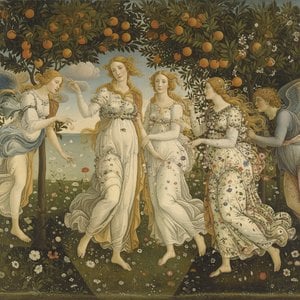
Explore the ethereal beauty of Sandro Botticelli's masterpieces. Delve into the profound symbolism, mythological grace, and technical mastery that define the Italian Renaissance through an expert art-historical lens.
 Podgląd w skali 1:1
 Wyślij jako kartkę
 Udostępnij
 Szczegóły dzieła
 Przewodnik

 Pobierz obraz
 Podobne obiekty
 RTG
RTG Pokaz slajdów
 Pytania i odpowiedzi
 Statystyki


 Rozwiń treść









 Opcja ze szkłem jest dostępna wyłącznie w rozmiarach poniżej 110 cm


