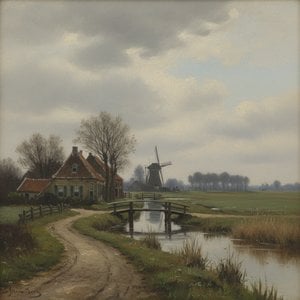
Summer (1780) by Mary Moser Lloyd, hand-painted oil painting reproduction by a master artist
Podgląd w skali 1:1 Podgląd AR Przełącz na wydania drukowane Przejdź do wersji cyfrowej Wyślij jako kartkę
Szczegóły dzieła Przewodnik Dodaj do ulubionych Pobierz obraz Podobne obiekty RTG Pokaz slajdów Q&A Statystyki

Summer Hand-painted oil painting reproduction

Explore Mary Moser Lloyd's exquisite floral paintings and her pioneering role as one of the Royal Academy’s first female members. Discover her legacy through stunning artworks and biographical insights.

Discover Mary Moser Lloyd (1744-1819), a pioneering British female artist celebrated for exquisite floral still lifes & portraits. A Royal Academy founder, explore her legacy!

Ręcznie malowana reprodukcja olejowa

Ręcznie malowany obraz olejny na płótnie, wykonany na zamówienie przez naszych artystów w wybranym przez Ciebie wymiarze i oprawie. ( Przełącz na wydania drukowane Przejdź do wersji cyfrowej)

Corner sample of the P118B picture frame: polistyren formowany, 5 cm wide and 3 cm thick
P118B zł10
Corner sample of the P118H picture frame: polistyren formowany, 5 cm wide and 3 cm thick
P118H zł10
Corner sample of the P118W picture frame: polistyren formowany, 5 cm wide and 3 cm thick
P118W zł10
Corner sample of the P438Z picture frame: polistyren formowany, 5.5 cm wide and 3.5 cm thick
P438Z zł10
Corner sample of the P508JH picture frame: polistyren formowany, 7 cm wide and 3.5 cm thick
P508JH zł12
Corner sample of the P508YH picture frame: polistyren formowany, 7 cm wide and 3.5 cm thick
P508YH zł12
Corner sample of the P805H picture frame: polistyren formowany, 5 cm wide and 3.5 cm thick
P805H zł10
Corner sample of the P805Z picture frame: polistyren formowany, 5 cm wide and 3.5 cm thick
P805Z zł10
Corner sample of the P919BZ picture frame: polistyren formowany, 7 cm wide and 3.5 cm thick
P919BZ zł10
Corner sample of the P919G picture frame: polistyren formowany, 7 cm wide and 3.5 cm thick
P919G zł10
Corner sample of the P919XJ picture frame: polistyren formowany, 7 cm wide and 3.5 cm thick
P919XJ zł10
Corner sample of the P959ZH picture frame: polistyren formowany, 5 cm wide and 3 cm thick
P959ZH zł10
Corner sample of the P968JZ picture frame: polistyren formowany, 6 cm wide and 4 cm thick
P968JZ zł12
Corner sample of the W106C picture frame: lite drewno, 5 cm wide and 3 cm thick
W106C zł8
Corner sample of the W218G picture frame: lite drewno, 5 cm wide and 3 cm thick
W218G zł10
Corner sample of the W218JH picture frame: lite drewno, 5 cm wide and 3 cm thick
W218JH zł8
Corner sample of the W218Y picture frame: lite drewno, 5 cm wide and 3 cm thick
W218Y zł10
Corner sample of the W307PJ picture frame: lite drewno, 6 cm wide and 3 cm thick
W307PJ zł10
Corner sample of the W316G picture frame: lite drewno, 6 cm wide and 3 cm thick
W316G zł10
Corner sample of the W316PJ picture frame: lite drewno, 6 cm wide and 3 cm thick
W316PJ zł8
Corner sample of the W316Y picture frame: lite drewno, 6 cm wide and 3 cm thick
W316Y zł10
Corner sample of the W398PJ picture frame: lite drewno, 5 cm wide and 3 cm thick
W398PJ zł8
Corner sample of the W4111J picture frame: lite drewno, 6.5 cm wide and 3.5 cm thick
W4111J zł10
Corner sample of the W500HY picture frame: lite drewno, 7 cm wide and 5 cm thick
W500HY zł15
Corner sample of the W500JH picture frame: lite drewno, 7 cm wide and 5 cm thick
W500JH zł15
Corner sample of the W692G picture frame: lite drewno, 8 cm wide and 4 cm thick
W692G zł12
Corner sample of the W849H picture frame: lite drewno, 5 cm wide and 3 cm thick
W849H zł8
Corner sample of the W940BG picture frame: lite drewno, 7.5 cm wide and 4.5 cm thick
W940BG zł15
Corner sample of the W953PJ picture frame: lite drewno, 6 cm wide and 3.5 cm thick
W953PJ zł8

Standardowy format
personalizowane
CM
INCH

Wybierz spośród naszych standardowych rozmiarów, które zachowują oryginalne proporcje dzieła sztuki.

szerokość
wysokość

Wpisz wymaganą szerokość i wysokość, aby obraz pasował do Twojej ramy lub ściany. Ponieważ jest to dzieło malowane ręcznie, w przypadku rozmiaru o innych proporcjach artysta może domalować nieco więcej wokół obrazu lub przyciąć jego fragmenty — wybór należy do Ciebie. Przed rozpoczęciem pracy prześlemy Ci cyfrową wizualizację do zatwierdzenia. Obraz widoczny na tej stronie nie przedstawia rzeczywistego efektu — jedynie wizualizacja oddaje realny rezultat.

Przykłady możliwych zmian: Zamień twarz na zdjęcie klienta; Dodaj zwierzę domowe (np. zamień kota na psa); Ukryj wiadomość w tle; Zmień krajobraz lub elementy tła.
Po złożeniu zamówienia zespół WahooArt.com skontaktuje się z klientem drogą mailową w celu uzyskania instrukcji i prześle wizualizację projektu

Dostawa na całym świecie () w ciągu 3–4 tygodni zamiast standardowych 5 tygodni. (3 Listopad). Bez kompromisów w kwestii jakości.

Bezpłatna ekspresowa wysyłka na cały świat
Wysokiej jakości płótno lniane
Pełne ubezpieczenie przesyłki
Gwarancja zwrotu należności celnych i podatków importowych
Gwarancja wiernego odwzorowania kolorów
100-dniowa polityka zwrotów (tylko w przypadku wad)
Gwarancja 100% zwrotu pieniędzy
Zniżka przy zakupie wielu sztuk

Suma całkowita

zł 1059

Summer

Technika reprodukcji

Wymiary reprodukcji

-

Cena całkowita

zł 1059

Najważniejsze informacje

  • Artist: Mary Moser Lloyd
  • Medium: Oil on Canvas
  • Subject or theme: Nature Observation
  • Influences: Dutch Masters
  • Movement: Romanticism

Quiz o sztuce

Do każdego pytania dotyczy tylko jedna poprawna odpowiedź.

Pytanie 1:
What is the primary subject matter of Mary Moser’s painting "Summer"?
Pytanie 2:
Who mentored Mary Moser in artistic technique, particularly enameling?
Pytanie 3:
Why were women historically excluded from life drawing classes during Mary Moser’s time?
Pytanie 4:
What was Mary Moser’s notable achievement in terms of artistic recognition?
Pytanie 5:
What is a key characteristic of Mary Moser’s artistic style?

A Symphony of Petals: The Botanical Brilliance of Summer

In the delicate dance of light and color captured within Summer, we encounter the profound mastery of Mary Moser Lloyd, an artist who transformed the ephemeral beauty of nature into a lasting botanical legacy. This exquisite work is not merely a depiction of flora; it is a vibrant celebration of life in its most exuberant state. The composition unfolds in a mesmerizing circular arrangement, drawing the eye inward toward a heart of concentrated color. Each bloom, from the softest petal to the most intricate stamen, is rendered with an astonishing level of precision that speaks to the artist's deep reverence for the natural world. As one gazes upon this arrangement, there is a palpable sense of movement, as if a gentle breeze might stir the thirteen distinct varieties of flowers scattered across the canvas.

The technique employed in this piece reflects the rigorous training Moser received under her father, the renowned enameller George Michael Moser. This heritage of meticulousness is evident in the way she navigates the textures of each specimen; one can almost feel the velvety softness of a rose or the crisp, waxy surface of a summer leaf. Her style avoids the heavy-handedness of grand historical narratives, opting instead for a "bold and luxurious" approach that emphasizes luminous color against a thoughtful backdrop. The interplay of light across the various hues—ranging from deep, passionate reds to delicate, sun-kissed yellows—creates a rhythmic vitality that breathes life into the arrangement, making the painting feel less like a static object and more like a living, breathing moment frozen in time.

A Legacy of Resilience and Refinement

To understand the emotional depth of Summer, one must consider the historical courage of its creator. As one of the few female founding members of the Royal Academy in 1768, Mary Moser Lloyd navigated a male-dominated landscape with unparalleled grace and professional determination. Her work represents a pivotal moment in British art history, where the "feminine" genre of floral painting was elevated to a level of scientific accuracy and artistic prestige. This piece carries the weight of that achievement; it is a testament to an era of Enlightenment curiosity, where the study of botany and the pursuit of aesthetic perfection were inextricably linked.

For the discerning collector or interior designer, this reproduction offers more than just visual splendor; it provides a focal point of sophisticated elegance. The circular composition makes it a versatile masterpiece, capable of anchoring a room with its organic energy. Whether placed in a sun-drenched morning room to evoke the freshness of a garden or used as a centerpiece in a formal dining hall to inspire conversation, Summer radiates a timeless charm. It invites the viewer to pause, to breathe, and to reconnect with the quiet, magnificent details of the earth, making it an essential acquisition for those who seek to surround themselves with art that nourishes both the eye and the soul.

Pytania i odpowiedzi

Jak opisany jest nastrój dzieła „Summer” – Mary Moser Lloyd?

"Summer" ma Romantic atmosferę.

Do jakiego pomieszczenia, biorąc pod uwagę kolorystykę, polecane jest dzieło „Summer” – Mary Moser Lloyd?

Biorąc pod uwagę jego Earthy kolorystykę, dzieło "Summer" idealnie pasuje do Living Room.

Czy kolory w „Summer” – Mary Moser Lloyd są nasycone, czy stonowane?

Paleta dzieła "Summer" charakteryzuje się Muted nasyceniem kolorów.


Biografia artysty

Mary Moser Lloyd: A Pioneer of Floral Painting and Female Artistic Achievement

Mary Moser Lloyd (1744-1819), a remarkable English painter, stands as one of the most celebrated female artists of the 18th century—a testament to her unwavering dedication to artistic excellence and a pivotal figure in establishing women’s presence within the burgeoning British art scene. Born in London, she benefited from the mentorship of her father, George Michael Moser, himself an accomplished artist and enameller, inheriting a lineage steeped in artistic tradition. This formative influence would prove instrumental in shaping her distinctive style and propelling her toward groundbreaking accomplishments.
  • Early Life and Training:
  • George Moser’s Influence: Mary’s father instilled in her a profound understanding of artistic technique, particularly enameling—a craft that demanded precision and meticulous observation. This grounding would later translate into the exceptional detail evident in her floral paintings.
  • Founding Member of the Royal Academy:
  • A Landmark Achievement: In 1768, alongside Angelica Kauffman, Mary Moser Lloyd achieved a monumental feat—she became one of the two founding members of the Royal Academy. This unprecedented inclusion underscored her determination to pursue artistic endeavors and solidified her position as a champion for female artists within British society.

The Artistry of Floral Still Life

Mary Moser Lloyd’s artistic legacy rests primarily upon her masterful depictions of flowers—a genre she helped elevate to prominence in British art. Unlike many contemporaries who favored grand historical narratives or portraiture, Moser focused on capturing the delicate beauty and intricate textures of botanical specimens. Her approach was characterized by meticulous scientific accuracy combined with an undeniable aesthetic sensibility. She painstakingly studied plant anatomy and coloration, translating her observations into canvases brimming with vibrant hues and nuanced shading—a technique that distinguishes her work from its peers.
  • Notable Floral Paintings:
  • “Summer”: Perhaps her most iconic piece, “Summer,” exemplifies Moser’s artistic vision. This stunning watercolor captures the ethereal glow of sunlight filtering through foliage, showcasing an unparalleled level of realism and conveying a profound appreciation for the natural world.
  • Technique and Observation:
  • Scientific Precision: Moser's meticulous attention to detail—evident in her layering of translucent washes and careful rendering of petal contours—demonstrates her commitment to scientific observation. She wasn’t merely portraying flowers; she was documenting them with unwavering accuracy.

Influence and Legacy

Mary Moser Lloyd's contribution extended beyond her individual artworks, establishing herself as a trailblazer for women in British art history. Her success at the Royal Academy challenged societal expectations regarding female artistic pursuits—opening doors for future generations of women artists to pursue their passions without constraint.
  • Recognition and Museums:
  • Victoria & Albert Museum: Mary Moser Lloyd’s paintings are housed in prestigious institutions such as the Victoria & Albert Museum, ensuring her artistic achievements endure for posterity.
  • A Lasting Impression:
  • Pioneer Spirit: Her unwavering dedication to her craft and her pioneering role within the Royal Academy cemented her place as one of Britain’s most important female artists—inspiring countless individuals to embrace creativity and defy conventional limitations.

Concluding Remarks

Mary Moser Lloyd's life and artistic endeavors serve as an enduring inspiration for art lovers worldwide. Her unwavering commitment to her craft, coupled with her groundbreaking achievement in establishing a space for women within the British art world—a feat rarely accomplished during her time—solidifies her legacy as a true visionary. As a testament to her talent and perseverance, Mary Moser Lloyd continues to captivate audiences with her exquisite floral paintings—a timeless reminder of artistic brilliance and unwavering determination.
Mary Moser Lloyd

Mary Moser Lloyd

1744 - 1819 , United Kingdom

Krótka nota

  • Full Name: Mary Moser Lloyd
  • Nationality: British
  • Date Of Birth: 1744
  • Date Of Death: 1819
  • Place Of Birth: London, United Kingdom
  • Notable Artworks: ['Summer']
  • Artistic Movement Or Style: Floral Still Life
  • Artists Who Influenced This Artist: ['George Michael Moser']
  • Artists Or Movements Influenced By This Artist: ['Royal Academy']