


 Acrylic On CanvasWallArtNaive Primitivism
 1915Early Medieval
 100.0 x 80.0 cm
Ręcznie malowany obraz olejny na płótnie, wykonany na zamówienie przez naszych artystów w wybranym przez Ciebie wymiarze i oprawie. ( Zamów wydruk Kup obraz wysokiej rozdzielczości)





























Wybierz spośród naszych standardowych rozmiarów, które zachowują oryginalne proporcje dzieła sztuki.

Możesz wprowadzić własne wymiary, aby dopasować obraz do konkretnej ramy lub przestrzeni. Jeśli wybrany rozmiar nie będzie odpowiadał proporcjom oryginału, przytniecie dzieło sztuki lub rozszerzymy je o dodatkowe elementy, ręcznie domalowane przez artystę. Przed rozpoczęciem produkcji wyślemy projekt cyfrowy do Twojej akceptacji.
Należy pamiętać, że podgląd na ekranie nie odzwierciedla rzeczywistego przycinania ani rozszerzania obrazu. Tylko projekt dokładnie pokaże ostateczną kompozycję.
Choć oferujemy możliwość zamówienia niestandardowych rozmiarów, zalecamy wybór wymiaru z gotowej listy, aby zachować oryginalne proporcje dzieła.
Dostawa na całym świecie () w ciągu 3–4 tygodni zamiast standardowych 5 tygodni. (6 Wrzesień). Bez kompromisów w kwestii jakości.


Window in the Country
Wymiary reprodukcji
Marc Chagall's "Window in the Country," painted in 1915, isn’t merely a depiction of a landscape; it’s an immersion into a dreamscape—a vibrant, emotionally charged memory rendered with the unrestrained joy and idiosyncratic vision that defined the artist. This work, executed during a pivotal moment in Chagall's life – his marriage to Bella Rosenfeld – captures not just a view from a kitchen window near Vitebsk, but also the profound sense of happiness and connection he felt within that idyllic setting. The painting immediately draws the viewer in with its explosion of color, a hallmark of Chagall’s Naïve Art style, where formal conventions are deliberately abandoned in favor of direct emotional expression.

“Window in the Country” is a quintessential example of Naïve Art (also known as Primitivism), a movement that flourished at the beginning of the 20th century. Rejecting academic traditions, artists like Chagall sought to capture the essence of their subjects with an unmediated directness, often drawing inspiration from folk art and childhood memories. Notice how figures are simplified, lines are bold and expressive, and perspective is flattened—a deliberate choice that amplifies the painting’s emotional impact rather than striving for photographic realism. The lack of meticulous detail isn't a flaw; it’s precisely what imbues the scene with its dreamlike quality.
The painting’s genesis lies in a specific moment—Chagall and Bella's summer sojourn to a country house near Vitebsk in July 1915. This idyllic retreat, captured through the humble window of a kitchen, became a potent symbol for Chagall, representing a return to his roots and a celebration of love. The presence of two figures – subtly suggested on either side of the window – hints at intimacy and companionship, while the objects within the room—a cup, bowl, and apples—suggest a simple, contented domesticity. The inclusion of these everyday items elevates them to symbolic importance, representing the joys of rural life and the beauty of human connection.
Beyond its picturesque subject matter, “Window in the Country” is rich with symbolism. The billowing white curtain acts as a veil, separating the viewer from the scene while simultaneously inviting us to step into Chagall’s world. The apples, often associated with fertility and abundance, further reinforce this sense of prosperity and happiness. The painting's overall mood is one of serene joy—a testament to Chagall’s ability to transform ordinary moments into extraordinary works of art. It’s a poignant reminder of the power of memory, love, and the beauty found in simple pleasures – themes that resonate deeply within Chagall’s oeuvre and continue to captivate audiences today.


1887 - 1985 , Білорусь

Discover the enchanting world of Naive Art. Explore the profound beauty of self-taught masters like Henri Rousseau through an art-history lens, uncovering how simple forms and vibrant colors create timeless, soulful masterpieces for the discerning collector.

Explore the profound impact of Primitivism on modern art. Delve into how masters like Gauguin and Picasso utilized raw emotion and non-Western aesthetics to redefine artistic form, breaking from academic tradition to shape the course of 20th-century expressionism.

Discover the profound beauty of folk art through a cultural lens. Explore how naive masterpieces and vibrant global traditions preserve heritage, offering timeless inspiration for collectors and art enthusiasts seeking authenticity and soul in every brushstroke.

Delve into the vibrant world of Paul Gauguin. Explore his revolutionary use of color, Tahitian symbolism, and the profound impact of tropical primitivism on Post-Impressionism through an expert art-historical lens.
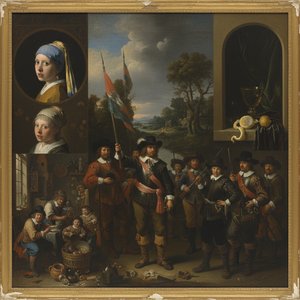
Explore the dramatic beauty of 17th-century masterpieces. From Baroque chiaroscuro to intimate genre scenes, discover how historical art captures the essence of life through expert curation and museum-quality reproductions for discerning collectors.

 Podgląd w skali
 Wyślij jako kartkę
 Udostępnij
 Szczegóły dzieła

 Pobierz
 Podobne obiekty
 RTG
RTG Pokaz slajdów
 Rozwiń treść







 Opcja ze szkłem jest dostępna wyłącznie w rozmiarach poniżej 110 cm


