

Płótna i wydruki artystyczne od zł185 w formacie 27 x 37 cm
Ręcznie malowana reprodukcja olejowa od zł713
Wydruki giclée lub płótna o jakości muzealnej, szybka realizacja i szeroki wybór opcji wykończenia. ( Obraz olejny ręcznie malowany Kup obraz cyfrowy
)
Nasza opcja budżetowa: ten sam obraz wydrukowany na płótnie poliestrowym 240 g/m² zamiast bawełnianego, dostarczany w tubie przesyłką pocztową w ciągu 3 do 5 tygodni. Tylko w formie rulonu (bez krosien, bez ram) i bez ekspresowej produkcji, dla formatów, których przynajmniej jeden bok ma 80 cm lub mniej. Około 30% taniej niż wydruk na płótnie bawełnianym.
Nieosiągalne dla tego rozmiaru: przynajmniej jeden bok musi mieć 80 cm lub mniej.
Tylko w tubie: aby wybrać ten wydruk, wybierz opcję płótna zwiniętego w tubę.
Dostępne dla formatów, których najdłuższy bok wynosi 100 cm lub mniej. W przypadku większych rozmiarów wydruk jest wykonywany na matowym płótnie bawełnianym.
Matowe płótno archiwalne nie jest dostępne dla tego rozmiaru: przynajmniej jeden bok musi mieć 100 cm lub mniej. Twój wydruk zostanie wykonany na matowym płótnie bawełnianym.





























Wybierz spośród naszych standardowych rozmiarów, które zachowują oryginalne proporcje dzieła sztuki.

Wpisz wymaganą szerokość i wysokość, aby dopasować grafikę do ramy lub ściany. Wydruk można jedynie przyciąć, nigdy nie powiększając go poza oryginalny obraz, dlatego format o innych proporcjach spowoduje utratę części kompozycji. Przed rozpoczęciem druku prześlemy Ci cyfrowy podgląd do zatwierdzenia. Obraz wyświetlany na tej stronie nie pokazuje rzeczywistego przycięcia — jedynie podgląd oddaje ten efekt.
Dostawa na cały świat () w ciągu 2 tygodni zamiast standardowych 4/5 tygodni. (5 Grudzień)
Przy wydruku na płótnie poliestrowym typu Economy niedostępna jest opcja pilnej produkcji ani przesyłki kurierskiej, ponieważ produkt wysyłany jest pocztą zwykłą.
Stranded
Wymiary reprodukcji
Dostawa na cały świat () przesyłką pocztową w ciągu 3 do 5 tygodni. (12 Grudzień)
In Stranded, Lyonel Feininger presents a scene of sailing ships at sea, though the familiar maritime subject is transformed through a highly abstracted lens. Rather than a literal representation of vessels navigating the waves, the work offers a fragmented view of these ships. The forms are broken into angular planes and overlapping shapes that disrupt a traditional sense of perspective. This approach creates a feeling of disorientation, as if the viewer is witnessing a moment of profound isolation or abandonment.
The subject matter is stripped of its conventional clarity. Instead of solid hulls and billowing sails, we encounter a series of intersecting lines and geometric shapes. This fragmentation suggests a sense of being lost or adrift, a sentiment reinforced by the title. The ships appear as echoes of their former selves, caught in a space where the boundaries between the sea and the sky are blurred by muted tones and shifting forms.
The composition of this piece is highly unconventional, eschewing the stability we typically expect from a maritime scene. Instead of a grounded perspective, the space seems to tilt and shift, creating a sense of disorientation. Diagonal lines dominate the work, cutting through the frame to disrupt any sense of traditional equilibrium. These sharp, angular lines intersect at odd angles, working alongside overlapping forms to fragment the subject matter into a series of disconnected planes.
Geometric shapes, specifically triangles and rectangles, dictate the structure of the composition. These forms represent the hulls, masts, and sails of the ships, yet they are rendered with a fractured logic that denies a clear horizon line. The absence of a steady horizon contributes to the feeling of being adrift. The arrangement of these elements feels both arbitrary and deliberate, contributing to an overall atmosphere of unease and isolation.
In this work, the artist employs watercolor as the primary medium, utilizing the fluid nature of the pigment to establish the atmosphere. Through the careful layering of color washes, a sense of tonal variation is achieved, allowing the grays and creams to shift subtly across the surface. This method creates a soft, impressionistic background that suggests the presence of water or sky without relying on heavy, opaque applications.
The structural integrity of the composition relies on more deliberate, linear marks. These lines, likely rendered with a pen or pencil, provide a sharp contrast to the softer watercolor washes. They define the angular planes of the ships and the intersecting geometric shapes that characterize the scene. This interplay between the translucent, bleeding edges of the paint and the precise, controlled lines creates a tension within the work's surface.
The choice of materials—watercolor paints applied to paper—is evident in the subtle graininess visible through the washes. This texture adds a tactile quality to the piece, grounding the abstraction in the physical reality of the medium. The artist's hand is visible in the way the pigment settles into the fibers of the paper, particularly where the colors are most diluted.
The work is deeply rooted in Expressionism, prioritizing a subjective emotional state over a literal representation of the sea. You can see this through the way the forms are broken apart, revealing a clear Cubist influence. Rather than presenting a cohesive vessel, the artist uses a fragmentation of forms to disrupt the viewer's sense of space. This approach creates a tension between the recognizable subject of sailing ships and the abstract, geometric reality of the composition.
The color palette is restrained and somber, relying on a quiet arrangement of grays, browns, and creams. These muted tones are punctuated only by small, deliberate accents of orange that catch the eye amidst the more subdued washes. The lighting is diffused and even, lacking a singular, dramatic source. This evenness flattens the image, working in tandem with the watercolor technique to produce a relatively smooth texture across the surface of the paper.
To understand the nuances of this piece, one might look toward other maritime explorations by the artist. His interest in the sea often manifested through various media and stylistic shifts. For instance, Boats offers a different perspective through the lens of cubism, rendered in oil on canvas. This work provides a point of comparison for how Feininger approached the fragmentation of nautical forms. Similarly, The Motor Boat exists within his body of work, reflecting his ongoing engagement with these aquatic subjects.
The artist's versatility is further evident in his use of different mediums to capture light and atmosphere. While Stranded utilizes watercolor, his work Werder I also employs this medium to explore tonal variations. There is a certain continuity in how he handles the fluidity of the sea across these different applications. Even the more subtle movements of the water are addressed in Gentle swell, which remains a significant related work in the catalog.
Wydruk: Stranded jest reprodukowany jako wydruk giclée na płótnie bawełnianym lub na archiwalnym papierze artystycznym marki Epson.
Dostępne rozmiary obejmują zakres od 27.2 x 36.8 cm (zł185) do 180.8 x 244.2 cm (zł1358); tabela na tej stronie przedstawia główne warianty oraz ich ceny.
Wydruk zwinięty w tubie jest wysyłany bezpłatnie przesyłką pocztową i dociera w ciągu 3 do 5 tygodni; wydruk na płótnie lub w ramie potrzebuje 4 do 5 tygodni, a na tej stronie dostępna jest opcja dostawy ekspresowej. Możesz dokonać zwrotu w ciągu 100 dni z pełnym zwrotem kosztów, bez żadnych dodatkowych warunków.
Watercolor

Explore 25 iconic Eugène Louis Boudin masterpieces. Discover the master of French Impressionism at WahooArt.com. Explore the full collection online.

Explore expert analysis of maritime masterpieces from Dutch Masters to Impressionism. Discover the soul of nautical fine art today.
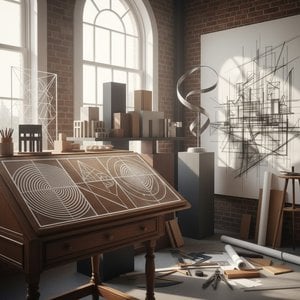
Explore the profound influence of geometry and line in fine art. Discover how structural composition creates visual impact, from Cubist mastery to Op Art precision, and learn to curate sophisticated, mathematically balanced collections for discerning art connoisseurs.

 Podgląd w skali 1:1

 Wyślij jako kartkę
 Udostępnij
 Szczegóły dzieła
 Karta informacyjna


 Pobierz obraz
 Podobne obiekty
 RTG
 Pokaz slajdów
 Pytania i odpowiedzi

 Statystyki


 Pełny opis dzieła Stranded









 Opcja ze szkłem jest dostępna wyłącznie w rozmiarach poniżej 110 cm


