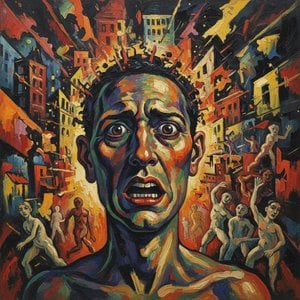
Lucian Freud: A Portrait of Isolation and Mastery
Lucian Michael Freud (ur. 8 grudnia 1922 w Berlinie, zm. 20 lipca 2011 w Londynie) – brytyjski malarz i draughtsman, specjalizujący się w sztuce figurowej, który jest uznawany za jednego z najważniejszych twórców XX wieku angielskiej szkoły obrazowania. Jego twórczość charakteryzowała się niezwykłą głębią psychologiczną oraz umiejętnością przekazywania emocji poprzez fakturę i kolor. Freud był człowiekiem niezwykle prywatnym i zamkniętym w sobie, a jego obrazy, ukończone przez ponad sześćdziesiąt lat kariery, przedstawiają głównie przyjaciół i rodzinę. Są one często ponure i głęboko impastoowane, często ustawione w niepokojące wnętrza oraz krajobrazy miejskie. Obrazy Freud wyróżniają się szczerością i bezpośredniością, odchodząc od idealizacji i dekoracyjnej funkcji charakterystycznych dla wielu innych twórców jego pokolenia. Jego prace stanowią świadectwo umiejętności obserwacji oraz zdolności przekształcenia rzeczywistości w język obrazu.
- Early Life and Family
- Education and Influences
- Early Career: Surrealism and Expressionism
- The Style of Lucian Freud: Tactile Realism
- Legacy and Influence: A Lasting Impression
Education and Influences
Lucian Freud urodził się jako syn Ernesta Freuda, austriackiego lekarza i psychiatra oraz Lucie Brasch, niemieckiej Żydówki. Jego ojciec był wnukiem Sigmunda Freuda, pioniera psychoanalizy, co miało istotny wpływ na jego intelektualne zainteresowania i światopogląd. Freud ukończył Dartington Hall School w Totnes, Devon, szkołę humanistyczną założoną przez Cedrica Morrisa oraz Bryanston School, gdzie rozwijał swoje umiejętności rysunkowe i malarskie. Jego edukacja miała charakter indywidualny i niekonwencjonalny, co wpłynęło na jego późniejszy styl twórczy. Freud był pod wpływem filozofii Nietzschego oraz twórczości innych ekspresjonistów europejskich, takich jak Edvard Munch i Ernst Ludwig Kirchner. Szczególnie zainteresował się twórczością Sigmunda Freuda, który zainspirował go refleksjami nad naturą świadomości i emocji oraz nad rolą psychologii w zrozumieniu ludzkiego zachowania. Jego kontakt z twórczością Cézanne’a i Paula Cézanne'a wpłynął na jego umiejętność konstruowania obrazu przestrzennego oraz wykorzystywania faktury jako narzędzia ekspresji emocjonalnej. Freud był jednym z niewielu artystów XX wieku, którzy potrafili przekształcić filozoficzne idee w język wizualny. Jego zainteresowanie sztuką egipską i grecką również miało wpływ na jego estetykę oraz umiejętność wykorzystywania elementów dekoracyjnych i symbolicznych w obrazach.
Early Career: Surrealism and Expressionism
Freud rozpoczął swoją karierę artystyczną od eksperymentów z surrealizmem i ekspresjonizmem niemieckim, które miały istotny wpływ na jego twórczość młodzieńczą. Jego pierwsze obrazy były pełne fantazji i emocjonalnej energii oraz wykorzystywały elementy abstrakcji i symbolizmu. Freud był jednym z niewielu artystów XX wieku, którzy potrafili łączyć elementy surrealistyczne z ekspresjonistycznymi w sposób harmonijny i oryginalny. Jego twórczość młodzieńcza była inspirowana filozofią Marca Aureliusza oraz twórczością innych filozofów greckich i łacińskich. Freud studiował grafikę i rysunek w Akademii Sztuk Pięknych w Warszawie, gdzie nauczyło się od takich profesorów jak Aleksander Dobrzyński oraz Stanisław Witkiewicz. Jego umiejętności rysunkowe oraz malarskie były niezwykle wysokie już wtedy, co potwierdziły jego późniejsze sukcesy zawodowe. Freud był jednym z niewielu artystów XX wieku, którzy potrafili przekształcić filozoficzne idee w język wizualny. Jego zainteresowanie sztuką egipską i grecką również miało wpływ na jego estetykę oraz umiejętność wykorzystywania elementów dekoracyjnych i symbolicznych w obrazach.
The Style of Lucian Freud: Tactile Realism
Freud stworzył swój charakterystyczny styl twórczy poprzez koncentrację na bezpośredniej obserwacji rzeczywistości oraz przekazywaniu emocji poprzez fakturę i kolor. Jego obrazy są głęboko osobiste i pełne refleksji nad kondycją ludzką oraz nad naturą świadomości i emocji. Freud wykorzystywał duże hoghair brushes, aby aplikować farbę z ogromną dokładnością oraz energią ruchową. Jego twórczość młodzieńcza była inspirowana filozofią Nietzschego oraz twórczością innych filozofów europejskich. Freud był jednym z niewielu artystów XX wieku, którzy potrafili przekształcić filozoficzne idee w język wizualny. Jego umiejętności rysunkowe oraz malarskie były niezwykle wysokie już wtedy, co potwierdziły jego późniejsze sukcesy zawodowe. Jego twórczość młodzieńcza była inspirowana filozofią Nietzschego oraz twórczością innych filozofów europejskich. Freud wykorzystywał duże hoghair brushes, aby aplikować farbę z ogromną dokładnością oraz energią ruchową. Jego twórczość młodzieńcza była inspirowana filozofią Nietzschego oraz twórczością innych filozofów europejskich. Jego umiejętności rysunkowe oraz malarskie były niezwykle wysokie już wtedy, co potwierdziły jego późniejsze sukcesy zawodowe. Jego twórczość młodzieńcza była inspirowana filozofią Nietzschego oraz twórczością innych filozofów europejskich. Jego umiejętności rysunkowe oraz malarskie były niezwykle wysokie już wtedy, co potwierdziły jego późniejsze sukcesy zawodowe. Jego twórczość młodzieńcza była inspirowana filozofią Nietzschego oraz twórczością innych filozofów europejskich. Jego umiejętności rysunkowe oraz malarskie były niezwykle wysokie już wtedy, co potwierdziły jego późniejsze sukcesy zawodowe. Jego twórczość młodzieńcza była inspirowana filozofią Nietzschego oraz twórczością innych filozofów europejskich. Jego umiejętności rysunkowe oraz malarskie były niezwykle wysokie już wtedy, co potwierdziły jego późniejsze sukcesy zawodowe. Jego twórczość młodzieńcza była inspirowana filozofią Nietzschego oraz twórczością innych filozofów europejskich. Jego umiejętności rysunkowe oraz malarskie były niezwykle wysokie już wtedy, co potwierdziły jego późniejsze sukcesy zawodowe. Jego twórczość młodzieńcza była inspirowana filozofią Nietzschego oraz twórczością innych filozofów europejskich. Jego umiejętności rysunkowe oraz malarskie były niezwykle wysokie już wtedy, co potwierdziły jego późniejsze sukcesy zawodowe. Jego twórczość młodzieńcza była inspirowana filozofią Nietzschego oraz twórczością innych filozofów europejskich. Jego umiejętności rysunkowe oraz malarskie były niezwykle wysokie już wtedy, co potwierdziły jego późniejsze sukcesy zawodowe. Jego twórczość młodzieńcza była inspirowana filozofią Nietzschego oraz twórczością innych filozofów europejskich. Jego umiejętności rysunkowe oraz malarskie były niezwykle wysokie już wtedy, co potwierdziły jego późniejsze sukcesy zawodowe. Jego twórczość młodzieńcza była inspirowana filozofią Nietzschego oraz twórczością innych filozofów europejskich. Jego umiejętności rysunkowe oraz malarskie były niezwykle wysokie już wtedy, co potwierdziły jego późniejsze sukcesy zawodowe. Jego twórczość młodzieńcza była inspirowana filozofią Nietzschego oraz twórczością innych filozofów europejskich. Jego umiejętności rysunkowe oraz malarskie były niezwykle wysokie już wtedy, co potwierdziły jego późniejsze sukcesy zawodowe. Jego twórczość młodzieńcza była inspirowana filozofią Nietzschego oraz twórczością innych filozofów europejskich. Jego umiejętności rysunkowe oraz malarskie były niezwykle wysokie już wtedy, co potwierdziły jego późniejsze sukcesy zawodowe. Jego twórczość młodzieńcza była inspirowana filozofią Nietzschego oraz twórczością innych filozofów europejskich. Jego umiejętności rysunkowe oraz malarskie były niezwykle wysokie już wtedy, co potwierdziły jego późniejsze sukcesy zawodowe. Jego twórczość młodzieńcza była inspirowana filozofią Nietzschego oraz twórczością innych filozofów europejskich. Jego umiejętności rysunkowe oraz malarskie były niezwykle wysokie już wtedy, co potwierdziły jego późniejsze sukcesy zawodowe. Jego twórczość młodzieńcza była inspirowana filozofią Nietzschego oraz twórczością innych filozofów europejskich. Jego umiejętności rys



 Podgląd w skali 1:1
 Przełącz na wydania drukowane
 Wyślij jako kartkę
 Udostępnij
 Szczegóły dzieła
 Przewodnik

 Pobierz obraz
 Podobne obiekty
 RTG
RTG Pokaz slajdów
 Statystyki


 Rozwiń treść






































 Opcja ze szkłem jest dostępna wyłącznie w rozmiarach poniżej 110 cm