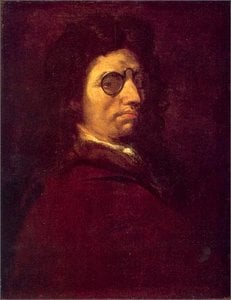
Neapolitański Wir: Życie i Sztuka Luca Giordano
Luca Giordano, urodzony w Neapolu w 1634 roku, był artystą, którego nazwisko szybko stało się synonimem porywającego ducha późnego baroku. Nie był jedynie malarzem; był siłą natury, wirującym cyklonem kreatywności, którego niezwykle bogata produkcja odmieniła zarówno płótna, jak i przestrzenie architektoniczne w całej Italii i Hiszpanii. Jego ojciec, Antonio Giordano, położył początkowe fundamenty jego artystycznego wykształcenia, ale to pod surowym, lecz mistrzowskim okiem Jusepe de Ribery młody Luca naprawdę zaczął kować swoją odrębną ścieżkę. To wczesne studium pozostawiło niezatarte piętno, widoczne w dramatycznej intensywności i realistycznym oddaniu postaci charakterystycznych dla początkowych dzieł Giordano. Jednakże, w przeciwieństwie do często ponurej palety Ribery, Luca posiadał naturalną skłonność do jasności i ruchu – cechy, które ostatecznie zdefiniowały jego unikalny styl. Już wtedy zdobył przydomek “Luca fa presto” – Luca Szybki – świadectwo jego niezwykłej szybkości i pozornie nieograniczonej energii. Nie był po prostu utalentowany; potrafił uchwycić głębokie emocje i oszałamiające widowisko z łatwością, która zadziwiała współczesnych.
Od Neapolu do Madrytu: Kariera w Ciągłym Ruchu
Artystyczna podróż Giordano była daleka od statycznej. Była to dynamiczna progresja napędzana zamówieniami i podróżami, zabierająca go przez cały półwysep włoski i poza jego granice. Po ugruntowaniu swojej pozycji jako wschodzącej gwiazdy w Neapolu, szukał możliwości w Rzymie, Florencji i Wenecji, chłonąc różnorodne wpływy każdego miasta jak gąbka. W Wenecji studiował dzieła Tycjana i Veronese’a, przyswajając ich żywe palety kolorów i dynamiczne kompozycje – wyraźny kontrast z tenebryzmem jego wczesnego szkolenia. Florencja zaowocowała podjęciem się znaczących cykli fresków, zwłaszcza na kopule kaplicy Corsinich w Chiesa del Carmine, demonstrując jego rozwijającą się biegłość w iluzjonistycznej przestrzeni i narracyjnym opowiadaniu historii. Jednak to dziesięcioletni pobyt w Hiszpanii (1682-1692) umocnił jego międzynarodową reputację. Mianowany malarzem nadwornym Karola II, Giordano przekształcił hiszpańskie wnętrza z rozmachem fresków, wprowadzając potrzebną dawkę włoskiego entuzjazmu do bardziej powściągliwej hiszpańskiej tradycji artystycznej. Biblioteca Riccardiana we Florencji, ozdobiona alegorycznymi freskami celebrującymi boską mądrość, stanowi świadectwo tego okresu, ukazując jego zdolność do łączenia intelektualnej głębi z wizualnym splendorem.
Synteza Stylów: Artystyczny Sygnet Giordano
Geniusz Giordano nie polegał na wynajdywaniu całkowicie nowych technik, ale na syntezie istniejących w niezwykle płynny i dekoracyjny styl. Mistrzowsko połączył dramatyczny realizm odziedziczony po Ribera, świetlisty koloryzm inspirowany malarzami weneckimi oraz dynamiczne kompozycje przypominające Pietro da Cortonę. Jego pociągnięcia pędzlem charakteryzowały się swobodą i spontanicznością, tworząc wrażenie bezwysiłkowej gracji. Nie bał się ornamentyki, wypełniając swoje płótna skomplikowanymi detalami i wirującymi draperiami – znakiem rozpoznawczym jego dojrzałego stylu. To podejście pozwoliło mu z równą gracją poruszać się w szerokim zakresie tematów – od scen religijnych i mitologicznych narracji po portrety i dekoracyjne schematy.
Sąd Parysa, znajdujący się w Muzeum Berlińskim, jest tego przykładem; to żywy pokaz mitologii klasycznej oddany z wyraźnie barokowym rozmachem. Jego freski, szczególnie te znalezione w katedrze neapolitańskiej i różnych pałacach neapolitańskich, są monumentalnymi osiągnięciami, przekształcającymi przestrzenie architektoniczne w immersyjne wizualne doświadczenia, które otulały widzów światłem koloru i dramatu.
Dziedzictwo i Wpływ: Trwałe Oddziaływanie Mistrza
Wpływ Luca Giordano wykraczał daleko poza jego życie. Szkolił licznych uczniów, w tym Paolo de Matteisa, który stał się odnoszącym sukcesy artystą we własnym prawu, rozpowszechniając jego stylistyczne innowacje po całej Italii i poza nią. Jego praca stanowiła pomost między późnym barokiem a rokokiem, torując drogę dla lżejszej, bardziej zabawnej estetyki, która charakteryzowała sztukę XVIII wieku.
Jego niezwykle bogata produkcja – szacowana na ponad sześćset obrazów i liczne cykle fresków – nadal fascynuje publiczność dzisiaj. Pałac Capodimonte w Neapolu pozostaje skarbnicą jego dzieł, oferując kompleksowy przegląd jego artystycznej ewolucji. Zdolność Giordano do płynnego łączenia kunsztu technicznego z głębią emocjonalną zapewnia mu miejsce wśród najważniejszych i najbardziej lubianych postaci włoskiego baroku. Zmarł w swoim rodzinnym Neapolu w 1705 roku, pozostawiając po sobie dziedzictwo, które nadal inspiruje artystów i miłośników sztuki.
Kluczowe Dzieła i Powiązania Artystyczne
Oto kilka godnych uwagi dzieł i powiązań artystycznych:
- Sąd Parysa (Muzeum Berlińskie): Doskonały przykład malarstwa mitologicznego Giordano, prezentujący jego żywą paletę kolorów i dynamiczną kompozycję.
- Chrystus wśród Doktorów w Świątyni (Galeria Corsinich, Rzym): Demonstruje jego umiejętności w narracji religijnej i opanowanie światła i cienia.
- Freski we Florencji i Neapolu: Monumentalne dzieła, które przekształciły przestrzenie architektoniczne w immersyjne wizualne doświadczenia.
- Inspiracje: Jusepe de Ribera, Tycjan, Veronese, Pietro da Cortona
- Artyści inspirowani przez niego: Paolo de Matteis i pokolenie neapolitańskich malarzy.



 Podgląd w skali
 Przełącz na wydruki
 Wyślij jako kartkę
 Udostępnij
 Szczegóły dzieła

 Pobierz
 Podobne obiekty
 RTG
RTG Pokaz slajdów
 Statystyki


 Rozwiń treść