DARMOWA KONSULTACJA ARTYSTYCZNA

x
Zamów wydruk Zamów wydrukZamów reprodukcję Zamów reprodukcję UdostępnijUdostępnij
DetailsDetails Dodaj do ulubionych Dodaj do ulubionych PobierzPobierz Podobne obiektyPodobne obiekty X-RayX-Ray Pokaz slajdówPokaz slajdów

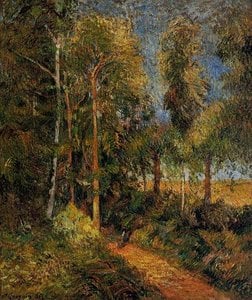
Landscape In Spring

Discover 'Landscape In Spring' by Károly Ferenczy – a stunning Impressionistic landscape painting of serene hills & skies. Explore this Hungarian masterpiece’s beauty & technique.

Károly Ferenczy (1862-1917) – wybitny malarz węgierski, „ojciec węgierskiego impresjonizmu”. Znany z pejzaży, portretów i roli w założeniu kolonii artystycznej Nagybánya. Jego twórczość łączy naturalizm z wpływami symbolizmem, kształtując nowoczesną sztukę Węgier.

Kup wysokiej rozdzielczości, ulepszony obraz cyfrowy, znacznie lepszy niż podgląd online.

Każdy plik jest starannie przygotowywany przez naszych specjalistów przy użyciu zaawansowanych narzędzi oraz profesjonalnej, ręcznej retuszy. Dbamy o to, aby każdy obraz cechował się wyjątkową ostrością, precyzyjnym odwzorowaniem kolorów i subtelnymi detalami.

Ostateczny plik dostarczany jest drogą mailową w ciągu 72 godzin, zoptymalizowany do natychmiastowego wykorzystania w profesjonalnych zastosowaniach redakcyjnych i poligraficznych. To ta sama jakość, której ufają czołowe studia projektowe, wydawnictwa oraz galerie sztuki.

Obraz cyfrowy

Pobierz plik o wysokiej rozdzielczości do osobistego wyświetlania, druku oraz projektów kreatywnych.

Suma do zapłaty

$9.99

Zawarte w każdym zamówieniu na obraz cyfrowy

Profesjonalna dostawa cyfrowa, gwarantowana

Wybierając WahooArt.com, nie otrzymujesz jedynie obrazu – otrzymujesz profesjonalnie udoskonalone cyfrowe dzieło sztuki, stworzone z najwyższą precyzją i objęte gwarancją satysfakcji. Oto wszystko, co automatycznie dołączane jest do Twojego zamówienia:

shipping_icon
Błyskawiczna wysyłka e-mailowa

Plik z obrazem cyfrowym w wysokiej rozdzielczości zostanie przesłany na Twój adres e-mail w ciągu 72 godzin od złożenia zamówienia – gotowy do natychmiastowego użycia.

canvas_icon
Plik cyfrowy wzbogacony przez AI

Twoja grafika została profesjonalnie zoptymalizowana przy użyciu zaawansowanych narzędzi AI oraz ręcznej edycji, co zapewnia maksymalną szczegółowość, klarowność i wierność kolorów.

insurance_icon
Dożywotnia darmowa ponowna dostawa

Przypadkowo usunąłeś lub zgubiłeś swój plik? Bez obaw – prześlemy go Tobie ponownie w dowolnym momencie, bez żadnych opłat.

tax_icon
Bez opłat importowych – zawsze

Ciesz się swoją sztuką natychmiast, bez żadnych opłat celnych, należności ani kosztów dostawy – pliki cyfrowe są zawsze wolne od podatku.

color_icon
Gwarancja wierności kolorów

Dzięki zastosowaniu profesjonalnych narzędzi i procesów zarządzania barwą zapewniamy, że Twoje cyfrowe zdjęcie odzwierciedla oryginalne kolory tak wiernie, jak to tylko możliwe.

return_icon
60-dniowa gwarancja satysfakcji

Jeśli nie będziesz zadowolony ze swojego cyfrowego obrazu, poprawimy go lub zwrócimy 100% kosztów w ciągu 60 dni – bez żadnych pytań.

guarantee_icon
100% Gwarancja zwrotu pieniędzy

Nie zadowoleni? Otrzymaj pełny zwrot kosztów w ciągu 60 dni od otrzymania pliku cyfrowego – bez zbędnych pytań.

discount_icon
Rabaty na zamówienia hurtowe

Kup 3 obrazy, oszczędź 10% - Kup 5, oszczędź 15% - Kup 10+, oszczędź 20%. Idealne do projektów kreatywnych, galerii i agencji.

Podobne dzieła sztuki


Biografia artysty

Early Life and Artistic Beginnings

Károly Ferenczy, a pivotal figure in the development of Hungarian modernism, was born on February 8, 1862, in Vienna, Austria, to Ida Graenzenstein and Karel Freund, a Hungarian railway construction official. His mother’s untimely death shortly after his birth profoundly shaped his formative years, instilling within him a sensitivity to loss and an enduring fascination with capturing human emotion on canvas. From a young age, Ferenczy demonstrated exceptional artistic talent, pursuing formal training at the University of Vienna where he studied law alongside art. This dual pursuit reflected the intellectual curiosity that would characterize his entire life—a blend of rigorous scholarship and passionate engagement with creative expression. His early artistic influences included Jules Bastien-Lepage, whose naturalistic style championed a direct observation of nature and imbued Ferenczy with a foundational appreciation for plein air painting techniques. The influence of Bastien-Lepage’s emphasis on capturing natural light and portraying rural life resonated deeply with Ferenczy's developing aesthetic sensibilities, shaping his early approach to landscape painting.

Munich and Impressionistic Transformation

A pivotal moment in Ferenczy’s artistic trajectory arrived in 1889 when he relocated to Munich, Germany—a city renowned as the epicenter of European art innovation during that era. Recognizing the transformative potential of German artistic culture, Ferenczy enrolled at the Akademie der Bildenden Künste München (Munich Academy of Fine Arts), immersing himself in a vibrant environment brimming with experimental ideas and challenging conventions. Here, he encountered Simon Hollósy, a Hungarian painter who championed Impressionism and encouraged students to embrace French painting techniques—particularly *plein air* painting—as a means of conveying the immediacy of experience. Ferenczy’s exposure to Hollosy's circle profoundly broadened his artistic horizons, propelling him toward a more liberated and expressive style that would define his subsequent oeuvre. The Akademie der Bildenden Künste München fostered an environment conducive to experimentation and innovation, attracting artists eager to push boundaries and redefine artistic expression. Simon Hollósy’s advocacy for Impressionism instilled in Ferenczy a commitment to capturing fleeting moments of beauty and conveying emotion through color and light—a hallmark of his distinctive artistic vision.

The Nagybánya Artists’ Colony and Hungarian Modernism

In 1896, Ferenczy joined forces with István Réti and János Thorma to establish the Nagybánya artists’ colony—a landmark initiative that would solidify Hungary's position at the forefront of European artistic developments. Situated in Transylvania (now Romania), Nagybánya became a crucible for Hungarian Modernism, attracting a cohort of talented painters who sought to forge a unique national identity rooted in both tradition and innovation. Ferenczy spearheaded this endeavor, fostering a collaborative spirit among artists and championing a bold embrace of Impressionistic principles—coupled with a deep reverence for Hungarian landscapes and rural life. The colony’s output—characterized by luminous color palettes and evocative depictions of the Hungarian countryside—became emblematic of Ferenczy's artistic legacy. The founding of Nagybánya stemmed from Ferenczy’s vision to revitalize Hungarian art and instill in younger artists a commitment to capturing the essence of national identity through artistic expression. The colony’s artists adopted Impressionistic techniques—primarily *plein air* painting—to convey the immediacy of experience and capture the transformative effects of light on the landscape.

Mature Style and Symbolist Explorations

Throughout his prolific career, Ferenczy honed his artistic skills in diverse mediums—oil paintings, watercolors, prints, and etchings—demonstrating versatility and unwavering dedication to mastering various artistic approaches. His style evolved from naturalistic depictions of Hungarian landscapes to more introspective explorations of human emotion and psychological depth. Influenced by Symbolist aesthetics—particularly the works of Gustave Moreau and Edvard Munch—Ferenczy incorporated mythological themes and allegorical imagery into his paintings, reflecting a fascination with timeless narratives and conveying profound spiritual resonances. Works such as “Leda” (1902) and “Apollo and Marsyas” (1904) exemplify Ferenczy’s artistic ambition to transcend mere representation and engage viewers in contemplation—a testament to his enduring contribution to Hungarian art history. The influence of Moreau and Munch's exploration of myth, emotion, and psychological symbolism profoundly impacted Ferenczy's artistic sensibilities, shaping his stylistic choices and thematic preoccupations.

Legacy and Recognition

Károly Ferenczy’s enduring influence on Hungarian art is undeniable—his pioneering embrace of Impressionism and Symbolism establishing him as a cornerstone of Modern Hungarian painting. He mentored numerous aspiring artists, fostering a vibrant artistic community that continues to celebrate his legacy today. His paintings—characterized by luminous color palettes, evocative landscapes, and profound psychological insight—remain treasured masterpieces within the Hungarian National Gallery and other prominent institutions worldwide. Ferenczy’s contribution to Hungarian cultural heritage is commemorated annually through the Ferenczy Károly Museum in Szentendre—a testament to his enduring artistic vision and its lasting impact on Hungarian art history.
Károly Ferenczy

Károly Ferenczy

1862 - 1917 , Węgry

Krótka nota

  • Artistic Movement Or Style: Impressionizm Węgierski
  • Artists Or Movements Influenced By This Artist: ['Bastien-Lepage']
  • Artists Who Influenced This Artist:
    • Simon Hollósy
    • Jules Bastien-Lepage
  • Date Of Birth: 8 lutego 1862
  • Date Of Death: 18 marca 1917
  • Full Name: Károly Ferenczy
  • Nationality: Węgierski
  • Notable Artworks:
    • Życie w wiosce
    • Portret Béni Ferenczy
  • Place Of Birth: Wiedeń, Austria