x
Podgląd w skaliPodgląd w skali Podgląd ARPodgląd AR Zamów ręcznie malowaną reprodukcję Zamów ręcznie malowaną reprodukcjęKup obraz wysokiej rozdzielczości Kup obraz wysokiej rozdzielczości Wyślij jako kartkęWyślij jako kartkę
Szczegóły dziełaSzczegóły dzieła Dodaj do ulubionych Dodaj do ulubionych PobierzPobierz Podobne obiektyPodobne obiekty RTGRTG Pokaz slajdówPokaz slajdów

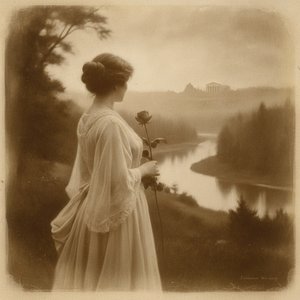
Robe de style

Elegancka fotografia Karl Otto Lagerfelda przedstawiająca kobietę w bogato zdobnej sukni. Klasyczny styl portretowy z wpływami haute couture i teatralną atmosferą.

Poznaj świat Karla Lagerfelda (1933-2019), ikonicznego dyrektora kreatywnego domu Chanel! Odkryj jego rewolucyjne projekty, niesamowite fotografie i trwały wpływ na modę.

Giclée / Wydruk artystyczny

Druk giclée lub płótno o jakości muzealnej, szybka realizacja i szeroki wybór opcji wykończenia. (Zamów ręcznie malowaną reprodukcję Zamów ręcznie malowaną reprodukcjęKup obraz wysokiej rozdzielczości Kup obraz wysokiej rozdzielczości)

P118B $10
P118H $10
P118W $10
P438Z $10
P508JH $12
P508YH $12
P805H $10
P805Z $10
P919BZ $10
P919G $10
P919XJ $10
P959ZH $10
P968JZ $12
W106C $8
W218G $10
W218JH $8
W218Y $10
W307PJ $10
W316G $10
W316PJ $8
W316Y $10
W398PJ $8
W4111J $10
W500HY $15
W500JH $15
W692G $12
W849H $8
W940BG $15
W953PJ $8

Standardowy rozmiar
na wymiar
CM
INCH

Wybierz spośród naszych standardowych rozmiarów, które zachowują oryginalne proporcje dzieła sztuki.

szerokość
wysokość

Możesz wprowadzić własne wymiary, aby dopasować dzieło do konkretnej ramy lub przestrzeni. Jeśli wybrany rozmiar nie będzie odpowiadał proporcjom oryginalnego obrazu, przytniecie dzieło lub rozszerzymy obraz za pomocą odbicia lustrzanego lub jednolitego wypełnienia krawędzi. Przed rozpoczęciem produkcji prześlemy cyfrową wizualizację do Twojej akceptacji.
Prosimy pamiętać, że podgląd na ekranie nie odzwierciedla faktycznego przycinania ani rozszerzania. Tylko wizualizacja dokładnie pokaże końcową kompozycję.
Mimo dostępności niestandardowych rozmiarów, zalecamy wybór wymiaru z listy zdefiniowanej, aby zachować oryginalne proporcje.

Dostawa na cały świat () w ciągu 2 tygodni zamiast standardowych 4/5 tygodni. (4 Wrzesień)

why_choose_icon
Bezpłatna ekspresowa wysyłka na cały świat
why_choose_icon
Wysokiej jakości płótno lniane
why_choose_icon
Pełne ubezpieczenie przesyłki
why_choose_icon
Gwarancja zwrotu należności celnych i podatków importowych
why_choose_icon
Gwarancja wiernego odwzorowania kolorów
why_choose_icon
Polityka 60-dniowego zwrotu (tylko w przypadku wad)
why_choose_icon
Gwarancja 100% zwrotu kosztów
why_choose_icon
Zniżka przy zamówieniu wielu produktów

Suma całkowita

$ 68

reproduction

Robe de style

Giclée / Wydruk artystyczny

Wymiary reprodukcji

-

Cena całkowita

$ 68

Szybki podgląd

  • Artistic style: Classic Portraiture
  • Title: Robe de style
  • Medium: Photography
  • Influences: Early 20th Century Photography
  • Movement: Fashion Editorial
  • Year: 1986
  • Location: Private Collection

Quiz o sztuce

Do każdego pytania dotyczy tylko jedna poprawna odpowiedź.

Pytanie 1:
What is the predominant artistic style of Karl Lagerfeld’s ‘Robe de Style’?
Pytanie 2:
The photograph utilizes what type of lighting technique to emphasize the dress’s folds and create dramatic contrasts?
Pytanie 3:
What historical period does ‘Robe de Style’ primarily evoke due to its stylistic influences?
Pytanie 4:
The photograph employs a shallow depth of field, which contributes to what visual effect?
Pytanie 5:
What material is primarily used to construct the dress depicted in ‘Robe de Style’?

Robe de style – Karl Otto Lagerfeld’s Vision of Elegance

Karl Otto Lagerfeld's "Robe de style" isn’t merely a photograph; it’s a meticulously crafted distillation of Parisian glamour in the mid-1980s. Captured by Lagerfeld himself, this image transcends simple documentation—it embodies an aesthetic philosophy rooted in timeless sophistication and theatrical presentation. The photograph portrays a woman seated gracefully, bathed in dramatic lighting that sculpts her form against a dark backdrop, immediately establishing a mood of quiet mystery. Lagerfeld’s masterful eye for composition centers on the voluminous gown itself, which dominates the frame with its swirling skirt—a deliberate homage to the iconic robe de style dresses popularized by Jeanne Lanvin and other couturiers of the era.

Composition and Technique: Mastering Light and Silhouette

Lagerfeld's technical prowess is evident in every detail. The directional lighting – likely achieved through studio photography – isolates the subject, emphasizing her posture and highlighting the intricate folds of fabric that define the dress’s form. Careful attention to tonal range creates a palpable sense of depth within the garment—a subtle illusion that speaks volumes about Lagerfeld's understanding of visual texture. Furthermore, the shallow focus contributes to a cinematic quality, drawing viewers into the scene while maintaining an unwavering gaze on the central figure. The photograph utilizes black and white photography, selecting this medium for its ability to convey emotion and nuance without distraction from color palettes.

Historical Context: Echoes of Belle Époque Glamour

“Robe de style” directly references a pivotal moment in fashion history—the resurgence of opulent silhouettes following the austerity of World War II. Lagerfeld consciously evoked the spirit of the Belle Époque, channeling the grandeur and theatricality of Parisian couture from decades prior. The robe de style dress itself represented a rebellion against restrictive corsets and a celebration of femininity, prioritizing movement and fluidity. Lagerfeld’s choice to depict this style underscores his fascination with preserving artistic heritage while simultaneously injecting it with contemporary relevance.

Symbolism: Concealment and Revelation

The obscured face of the woman adds another layer of intrigue to the image. Lagerfeld skillfully employs concealment as a stylistic device, symbolizing both privacy and an unspoken narrative—a suggestion that there’s more beneath the surface than meets the eye. The gown itself serves as a powerful emblem of luxury and refinement, representing not just clothing but also status, aspiration, and artistic expression. Its flowing lines convey grace and elegance, mirroring Lagerfeld's own unwavering commitment to crafting enduring designs.

Emotional Impact: Capturing Quiet Drama

Ultimately, “Robe de style” succeeds in conveying a profound emotional resonance. The photograph captures a moment of serene contemplation amidst dramatic visual elements—a testament to Lagerfeld’s ability to distill complex ideas into striking images. It invites viewers to contemplate beauty, mystery, and the enduring power of artistic vision. This piece exemplifies Lagerfeld's signature aesthetic: understated elegance combined with an irresistible allure that lingers long after viewing.

O artyście

The Enduring Vision of Karl Lagerfeld

Karl Otto Lagerfeld, a name synonymous with reinvention and enduring style, was more than just a fashion designer; he was a cultural phenomenon. Born in Hamburg, Germany, in 1933, his life story is one of relentless creativity and an unwavering dedication to the art of design. From his early beginnings sketching designs as a young boy, captivated by the world of haute couture, it became clear that Lagerfeld possessed a unique artistic sensibility. His family’s move to Paris in the wake of rising political tensions proved pivotal, immersing him in the heart of the fashion world and setting the stage for an extraordinary career. He wasn't merely observing trends; he was destined to *create* them. The removal of the “t” from his surname – Lagerfeldt becoming Lagerfeld – was an early indication of his desire to shape his own narrative, to craft a brand as precise and impactful as his designs.

Early Life and Artistic Roots

Karl Otto Lagerfeld’s formative years instilled in him a profound appreciation for visual expression and meticulous craftsmanship. Born to Elisabeth Bahlmann and Otto Lagerfeld—his father hailing from a family of wealthy wine merchants—he grew up amidst intellectual stimulation, nurtured by parents who encouraged artistic pursuits. From childhood, Lagerfeld demonstrated an innate talent for drawing and illustration, capturing the beauty of his surroundings with remarkable accuracy. This early fascination with visual arts would profoundly influence his later career as a fashion designer and photographer. Notably, his father’s involvement in the Great San Francisco Earthquake of 1906 provided him with firsthand experience of resilience and adaptability—qualities that would serve as inspiration throughout Lagerfeld's life. His family’s relocation to Paris marked a significant turning point, exposing him to the epicenter of haute couture and fostering connections with influential figures who championed artistic innovation.

A Parisian Apprenticeship and Early Design Influences

At the tender age of 14, Lagerfeld embarked on an ambitious journey to Paris, accompanied by his parents’ blessing—a decision that would propel him into the orbit of fashion’s most celebrated minds. He initially resided in a dormitory for minors, immersing himself in the vibrant cultural landscape of the city while honing his design skills under the tutelage of Jacques de Bascher. This formative experience solidified Lagerfeld's commitment to mastering the craft of garment construction and instilled in him an unwavering pursuit of excellence. Simultaneously, he encountered Yves Saint Laurent—a kindred spirit who recognized Lagerfeld’s exceptional talent—establishing a friendship that would endure throughout their careers. The encounter ignited Lagerfeld’s passion for experimentation and challenged conventional notions of fashion aesthetics. He diligently studied the techniques of renowned designers, absorbing inspiration from diverse artistic movements and incorporating them into his own distinctive style.

Ascension Through Haute Couture Houses

Lagerfeld swiftly ascended through the ranks of prominent haute couture houses, demonstrating remarkable versatility and adaptability. His initial collaboration with Pierre Balmain provided invaluable experience in translating conceptual ideas into tangible garments—a skill that would become synonymous with his signature aesthetic. He then honed his craft at Jean Patou and Chloé, each position allowing him to refine his artistic vision and develop a distinctive style characterized by sharp tailoring, innovative silhouettes, and an audacious spirit. These formative experiences instilled in him a deep understanding of the intricacies of garment construction and cemented his reputation as a meticulous designer who prioritized precision and artistry. However, it was his enduring partnership with Fendi that truly showcased Lagerfeld’s transformative power—a collaboration spanning over five decades that revolutionized perceptions of luxury fashion. He championed the use of fur, elevating it from a traditional material into a symbol of modern elegance through inventive techniques and playful designs—a bold statement that defied prevailing trends and established him as an iconoclast within the industry.

Chanel: Reinventing Tradition

Lagerfeld’s arrival at Chanel in 1983 represented a pivotal moment in fashion history—a challenge to revitalize a venerable brand steeped in heritage but perceived by some as languishing in obscurity. Recognizing that true innovation resided not in abandoning tradition but rather reimagining it, Lagerfeld embarked on an ambitious mission to recapture Chanel's former glory while simultaneously injecting contemporary dynamism into its aesthetic DNA. He meticulously analyzed Coco Chanel’s legacy—her rebellious spirit, her uncompromising vision—drawing inspiration from these foundational principles to craft collections that honored the past while embracing the future. Lagerfeld skillfully juxtaposed classic silhouettes with unexpected textures and embellishments—a daring tactic that captivated audiences worldwide and solidified his reputation as a visionary designer who defied convention. His designs weren’t merely clothes; they were narratives—expressions of identity, confidence, and artistic ambition—reflecting Lagerfeld's unwavering belief in the transformative power of fashion. He ensured Chanel remained at the forefront of luxury fashion by prioritizing meticulous craftsmanship, innovative styling, and unforgettable imagery—a legacy that continues to inspire designers today.
  • Museum Collections: His designs are now preserved in prestigious institutions like The Museum Collection Hugo Fischer and the Gemäldegalerie Alte Meister, recognizing his contribution to art and culture.
  • A Legacy of Collaboration: Lagerfeld’s willingness to collaborate with artists from diverse fields further broadened his creative horizons and demonstrated his open-minded approach to design.
  • Redefining Luxury: He challenged traditional notions of luxury, making it more accessible while maintaining a sense of exclusivity and sophistication.

Karl Lagerfeld

Karl Lagerfeld

1933 - 2019 , Niemcy

Krótka nota

  • Artistic Movement Or Style: Haute Couture, Modernism
  • Artists Who Influenced This Artist: ['Yves Saint Laurent']
  • Date Of Birth: September 10, 1933
  • Date Of Death: February 19, 2019
  • Full Name: Karl Otto Lagerfeld
  • Nationality: German
  • Notable Artworks: ['Chanel by Karl Lagerfeld']
  • Place Of Birth: Hamburg, Germany
Odkryj dzieła sztuki uporządkowane według tematów, stylów i cech charakterystycznych.