Biografia artysty
Życie i Początki Mistrza Cienia
Michelangelo Merisi da Caravaggio, nazwisko synonim dramatyzmu i realizmu w sztuce barokowej, urodził się w 1571 roku w Mediolanie, mieście tętniącym życiem artystycznym, lecz targanym niepokojami społecznymi. Jego młodość naznaczona była tragedią – zaraza zdziesiątkowała rodzinę, odbierając życie ojcu i dziadkowi, gdy miał zaledwie sześć lat. Wychowywany w skromnych warunkach, od najmłodszych lat doświadczał ludzkiego cierpienia i wytrwałości – motywów, które miały później dominować na jego płótnach. Pierwsze lekcje sztuki pobierał w Mediolanie u Simone Peterzano, ucznia Tycjana, przyswajając podstawy renesansowej techniki, lecz już wtedy zwiastował buntowniczy duch, który miał wkrótce rozbić konwencje. Ta nauka stanowiła solidny fundament, jednak to Rzym, do którego przybył około 1592 roku, pozwolił Caravaggiowi odnaleźć własny głos, choć nie bez początkowych trudności i przeciwności losu. Miasto, będące pulsującym centrum mecenatu artystycznego i religijnej gorączki, okazało się zarówno fascynujące, jak i bezlitosne dla ambitnego młodego malarza.
Rewolucja Wizualna: Technika i Styl
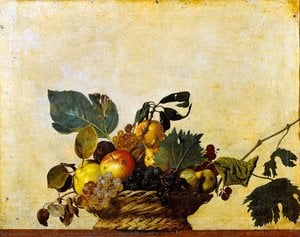
Przybycie Caravaggia do Rzymu zwiastowało trzęsienie ziemi w krajobrazie włoskiej sztuki. Odmówił przyjęcia panującego stylu manieryzmu – charakteryzującego się sztuczną elegancją i wydłużonymi formami – na rzecz bezkompromisowego realizmu, który szokował i urzekał publiczność. Jego najbardziej przełomową innowacją było mistrzowskie wykorzystanie chiaroscuro, dramatycznego kontrastu światła i cienia, które wyniosło do nowego poziomu ekspresji. Ta technika, często określana jako tenebrism, nie była jedynie zabiegiem estetycznym; stanowiła środek intensyfikacji emocjonalnego oddziaływania, wciągając widza w samo serce sceny i nadając postaciom namacalną obecność. Rezygnował z idealizowanych przedstawień, zasiedlając swoje obrazy zwykłymi ludźmi – często pochodzącymi z ulic Rzymu – jako modelami dla postaci religijnych. To radykalne podejście kwestionowało tradycyjne pojęcie piękna i świętości, czyniąc sacrum przystępnym i głęboko ludzkim. Jego kompozycje były często surowe i bezpośrednie, koncentrując się na kluczowych momentach intensywnego dramatu, czy to brutalny realizm „Pojmania Chrystusa”, czy cicha kontemplacja w „Świętym Franciszku z Asyżu w ekstazie”.
Kluczowe Dzieła i Trwały Wpływ
W trakcie stosunkowo krótkiej kariery Caravaggio stworzył bogaty dorobek, który do dziś rezonuje z odbiorcami. Wczesne prace, takie jak „Wróżka” (1594), demonstrują jego rodzący się talent w uchwyceniu realistycznych detali i psychologicznej głębi. „Ostatnia Wieczerza” (1601-1602), znajdująca się w National Gallery w Londynie, jest przykładem jego mistrzostwa w chiaroscuro i zdolności do przekazywania głębokich emocji w biblijnej narracji. „Dawid z Głową Goliaty” (ok. 1610) jest szczególnie przejmujący, często interpretowany jako autoportret odzwierciedlający własny problematyczny stan umysłu Caravaggia. Jego wpływ wykraczał daleko poza Włochy, inspirując pokolenie artystów znanych jako Caravaggisti, lub „cieniarze”, którzy przejęli jego styl w całej Europie. Do wybitnych naśladowców należeli Peter Paul Rubens, Jusepe de Ribera i Gerrit van Honthorst, każdy adaptując techniki Caravaggia do własnej unikalnej wizji artystycznej.
Burzliwe Życie i Trwałe Dziedzictwo
Życie Caravaggia było równie dramatyczne i burzliwe jak jego sztuka. Porywczy temperament i skłonność do bójek wciągały go w częste kłopoty z prawem, kulminując w 1606 roku oskarżeniem o morderstwo, które zmusiło go do ucieczki z Rzymu. Przez następne cztery lata włóczył się po Neapolu, Malcie i Sycylii, kontynuując malowanie, jednocześnie rozpaczliwie poszukując papieskiego przebaczenia. Pomimo wysiłków pozostał przestępcą, nawiedzonym przez przeszłość i dręczonym osobistymi konfliktami. Zmarł w Porto Ercole we Włoszech w 1610 roku w tajemniczych okolicznościach – przyczyna jego śmierci pozostaje przedmiotem debaty, z teoriami sięgającymi od gorączki po otrucie. Mimo krótkiego życia artystycznego, dziedzictwo Caravaggia trwa jako świadectwo jego rewolucyjnej wizji i niezachwianego zaangażowania w realizm. Podważył konwencje swojej epoki, torując drogę do bardziej nowoczesnego podejścia do malarstwa i pozostawiając niezatarte piętno na historii sztuki zachodniej. Jego twórczość nadal budzi podziw i prowokuje do refleksji, przypominając o sile sztuki w oświetlaniu najciemniejszych zakątków ludzkiego doświadczenia.



 Zobacz w skali 1:1
 Przełącz na wersję drukowaną
 Wyślij
 Udostępnij
 Szczegóły
 Przewodnik

 Pobierz plik obrazu
 Podobne obiekty
 RTG
RTG Pokaz slajdów
 Statystyki


 Czytaj więcej






































 Opcja ze szkłem jest dostępna wyłącznie w rozmiarach poniżej 110 cm