Biografia artysty
A Life Forged in Shadow and Light
Jusepe de Ribera, znany również jako Lo Spagnoletto – „Hiszpanek” – był monumentalną postacią epoki baroku, artystą, którego obrazy pulsowały intensywnością dramatyczną i bezkompromisowym realizmem. Urodzony w Xàtívie, w Hiszpanii, w 1591 roku, jego wędrówka zaprowadziła go daleko poza walencjskie korzenie, ostatecznie ugruntowując jego pozycję jako jednego z najważniejszych malarzy XVII wieku we Włoszech, a konkretnie w Neapolu, mieście wówczas pod panowaniem hiszpańskim. Życie Ribery nie było jedynie kroniką rozwoju artystycznego; to była narracja splótkała się z trudami, ambicjami i niezachwianym zaangażowaniem w przedstawianie ludzkiego stanu w całej jego surowej złożoności. Początkowe szczegóły biograficzne pozostają częściowo owiane tajemnicą, jednak wiemy, że przybył do Włoch około 1607 roku, początkowo osiadając w Rzymie, a następnie przenosząc się do Neapolu w 1616 – miasto, które stało się zarówno jego artystycznym azylem, jak i miejscem, gdzie kształtowała się jego unikalna stylistyka. Jego małżeństwo z Cateriną Azzolino, córką lokalnego malarza, dodatkowo umocniło jego powiązania z neapolskim środowiskiem artystycznym, umożliwiając mu rozkwit w jego dynamicznej, choć często burzliwej atmosferze.
The Embrace of Tenebrism and Realist Vision
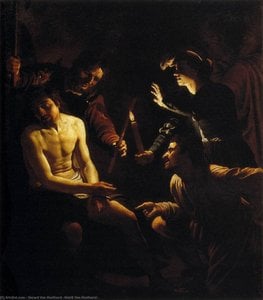
Formacja artystyczna Ribery została głęboko ukształtowana przez prądające we Włoszech nurt malarstwa. Niespodziewany wpływ Caravaggia jest niekwestionowany; Ribera wchłonął rewolucyjną technikę Caravaggia – dramatyczną interakcję światła i cienia, tworząc obrazy nasycone emocjonalną mocą. Jednak nie po prostu naśladował. Syntezował tę technikę z elementami zaczerpniętymi od innych mistrzów, takich jak Guido Reni, integrując klasyczną wrażliwość w swoje kompozycje, jednocześnie zachowując wizceralny impet realizmu Caravaggia. Ta fuzja doprowadziła do powstania stylu wyjątkowego dla niego – charakteryzującego się ostrymi kontrastami, intensywnie skoncentrowanymi postaciami i niemal brutalną szczerością w przedstawianiu ludzkiego cierpienia i duchowej ekstazy. Wczesne prace Ribery, takie jak *Martirio de San Bartolomé*, ilustrują ten styl – przerażające przedstawienie bólu ukazane z bezkompromisowym detale. Nie uciekał od przedstawiania fizycznych realia męczeństwa, wykrzywionych ciał, naprężałych mięśni, faktury skóry i kości. Ta zaangażowanie w realizm rozciągało się poza tematy religijne; jego portrety ubogich i zwykłych ludzi, często przedstawieni jako filozofowie lub święci, podniosły marginalizowanych do poziomu godności i znaczenia rzadko spotykanego w sztuce przed nim.
A Career Across Genres and Evolving Styles
Artystyczne portfolio Ribery było niezwykle zróżnicowane. Choć jest najbardziej znany ze swoich obrazów religijnych – scen męczeństwa, przedstawień świętych i dramatycznych narracji biblijnych – doskonalił również portrety, martwe natury i krajobrazy. Jego *San Jerome czytający Biblię* prezentuje bardziej kontemplacyjny aspekt jego artystycznej działalności, zachowując jednocześnie charakterystyczne dramatyczne oświetlenie, które definiuje jego prace. Przez całą karierę Ribery’ego styl ten ulegał subtelnym, ale znaczącym ewolucjom. Wczesne obrazy charakteryzują się niemal surowym realizmem i ostrym użyciem tenebrismu. Z wiekiem, szczególnie po umocnieniu się w Neapolu, jego paleta stawała się bogatsza, a kompozycje bardziej złożone, a oświetlenie nieco łagodniejsze. Jednak rdzenne elementy jego estetyki barokowej – intensywna emocjonalność, dramatyczne narracje i niezachwiane zaangażowanie w przedstawianie ludzkiego doświadczenia z uczciwością – pozostały stałe. Był mistrzem rzemiosła, zdolnym do oddawania faktur z niezwykłą precyzją, od szorstkiej faktury płaszcza ubogego człowieka po gładką skórę młodej świętej.
Major Achievements and Historical Significance
Jusepe de Ribera osiągnął znaczące sukcesy zarówno w Neapolu, jak i poza nim. W Neapolu, dzięki wsparciu księcia Osuny, otrzymał liczne zamówienia na obrazy, które stały się symbolem jego stylu i wpływu. Jego prace były cenione za swoją ekspresję emocjonalną, dramatyzm i realistyczny styl. Po śmierci księcia Osuny, Ribera kontynuował pracę, tworząc obrazy dla różnych klientów, w tym dla papieża Urbana VIII, który przyznał mu Order Rycerzy Chrystusa. W 1626 roku udał się do Rzymu, gdzie otrzymał Krzyż od papieża Urbana VIII. W 1637 roku opat kartuzji San Marino zlecił mu wystrój kościoła, pracując nad tym zamówieniem aż do śmierci. Jego ostatnie lata życia poświęcił na tworzenie obrazów, które stały się jego najbardziej znanych dziełami.
Ribera był ważną postacią w historii malarstwa hiszpańskiego baroku, obok mistrzów takich jak Velázquez, Zurbarán i Murillo. Jego innowacyjne użycie tenebrismu i bezkompromisowy realizm wpłynęły na pokolenia artystów we wszystkich krajach Europy. Jego prace rezonowały z tymi, którzy chcieli oderwać się od idealizowanych form sztuki renesansowej i przyjąć bardziej wizceralny, emocjonalnie nacechowany styl. Jego wpływ jest widoczny w twórczości wielu artystów, którzy czerpali inspirację z jego dramatycznych kompozycji i potężnych przedstawień ludzkiego cierpienia. Dziś obrazy Ribery znajdują się w prestiżowych muzeach na całym świecie – w Prado w Madrycie, w Narodowym Muzeum Sztuki w Waszyngtonie oraz w wielu instytucjach w Europie – zapewniając, że jego dziedzictwo nadal inspiruje i fascynuje odbiorców po wiekach. Jego obrazy nie są jedynie przedmiotami do podziwiania; są to doświadczenia – odczuwane na głębokościach istnienia.
A Master’s Enduring Appeal
Nieskończone zainteresowanie twórczością Ribery leży w jego zdolności do przekraczania granic czasu i kultur. Jego obrazy nie są jedynie artefaktami historycznymi; to potężne manifesty dotyczące ludzkiego stanu – cierpienia, wiary, nadziei i rozpaczy. Jego bezkompromisowy realizm zmusza nas do konfrontacji z trudnymi prawdami, a jego dramatyczne kompozycje i mistrzowskie użycie światła i cienia tworzą atmosferę intensywnego rezonansu emocjonalnego. Lo Spagnoletto, jak go affectionately nazywano, pozostawił po sobie portfolio prac, które są zarówno głęboko poruszające, jak i intelektualnie stymulujące – dziedzictwo, które zapewnia mu miejsce wśród największych mistrzów epoki baroku.



 Zobacz w skali 1:1
 Przełącz na wersję drukowaną
 Wyślij
 Udostępnij
 Szczegóły
 Przewodnik

 Pobierz plik obrazu
 Podobne obiekty
 RTG
RTG Pokaz slajdów
 Statystyki
 Czytaj więcej






































 Opcja ze szkłem jest dostępna wyłącznie w rozmiarach poniżej 110 cm